


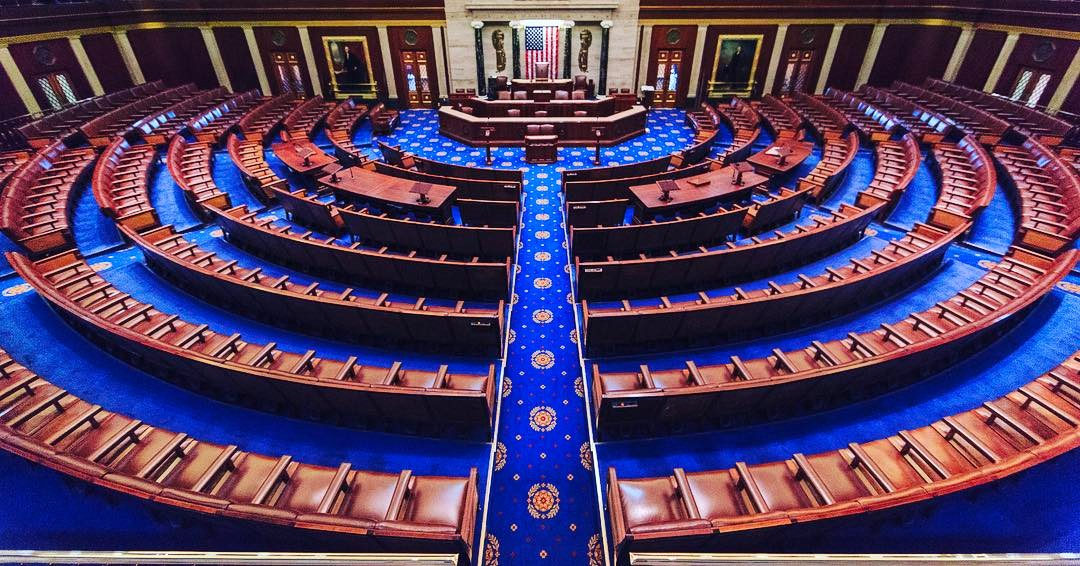
The United States House of Representatives has adopted an amendment to suspend 100 per cent of American foreign assistance to Nigeria. Sponsored by Congressman Gregory Steube during the consideration of the Fiscal Year 2027 State Department Appropriations Bill, the measure responds to growing concerns regarding ongoing violence, terrorism, kidnappings, and alleged targeted killings of Christians.
Although the vote marks a significant escalation in diplomatic pressure, the measure is not yet law. It must still pass the U.S. Senate and receive presidential assent before taking effect. If enacted, the legislation would replace an earlier proposal to freeze 50 per cent of aid, implementing a total suspension until the U.S. Secretary of State certifies that the Nigerian government has taken verifiable steps to halt the violence and prosecute perpetrators.
Overview of U.S. Financial Support to Nigeria
Nigeria has historically been one of the largest beneficiaries of American foreign assistance in Africa. Historical allocation data highlights the scale of this financial and programmatic engagement:
-
2022: $1.16 billion provided through agencies such as USAID and PEPFAR.
-
2023: $1.02 billion delivered across multiple sectors.
-
2024: Approximately $767 million, allocated primarily toward health, humanitarian aid, administrative costs, education, and agriculture.
-
HIV/AIDS Response: Over $6 billion invested through the President’s Emergency Plan for AIDS Relief (PEPFAR), supporting treatment for more than 1.5 million Nigerians, including over one million women and children.
The 2024 report from U.S. Diplomatic Missions in Nigeria outlines specific sector investments:
-
Health Interventions ($370 million): Included screening 19.8 million individuals for tuberculosis, providing malaria medicines to 2.2 million children, and supporting the vaccination of 13 million girls aged nine to 14 against the Human Papillomavirus (HPV). Additionally, the funding trained 55 public health emergency managers to combat cholera and Lassa fever outbreaks.
-
Humanitarian Assistance ($310 million): Targeted critical relief operations and vulnerable displaced populations.
-
Education ($24 million): Facilitated student scholarships worth $30 million and distributed over 3.6 million teaching and learning materials nationwide.
-
Agriculture ($7.8 million): Enabled farmers to access over $55 million in agriculture-related financing.
-
Security and Criminal Justice: Provided $40 million in military assistance, sponsored the training of 60 Nigerian military personnel in the U.S., deployed early warning software for conflict resolution, and committed over $50 million to criminal justice reforms that expanded legal aid to more than 5,000 citizens.
-
Economic Development: Facilitated seven investment deals worth $1.5 billion through Prosper Africa.
Stakeholder Reactions and Warnings
Development experts and healthcare leaders have voiced serious concern over the potential fallout of the legislation, warning that a sudden cessation of aid could severely impact public health and humanitarian operations.
Barrister Ayo Adebusoye, Chairman of the Public Health Sustainable Advocacy Initiative (PHSAI), emphasized that the development serves as a serious diplomatic warning regarding governance, accountability, and security rather than a purely financial dispute. He noted that the ongoing insecurity affects citizens across all demographics, including Christians, Muslims, farmers, and humanitarian workers.
Adebusoye warned that Nigeria's health sector faces the greatest vulnerability, as critical programs addressing HIV/AIDS, tuberculosis, malaria, routine immunizations, and disease surveillance depend heavily on external funding. He stressed that the situation exposes structural weaknesses in national resilience, urging the federal government to mobilize domestic resources from high-performing sectors like banking and telecommunications to finance public health sustainably. Furthermore, he recommended immediate diplomatic engagement with Washington backed by verifiable evidence of security reforms.
Dr. Casmir Ifeanyi, National President of the Association of Medical Laboratory Scientists of Nigeria, characterized the proposed aid freeze as "double jeopardy" for ordinary citizens who would suffer from both domestic insecurity and the loss of life-saving interventions. While acknowledging that international concern over the safety of citizens is justified, Ifeanyi argued that withdrawing aid penalizes vulnerable populations—such as women and children relying on HIV treatment and maternal care—rather than addressing the root causes of governance failures.
Ifeanyi reiterated that Nigeria possesses adequate natural resources to independently fund its healthcare and security sectors if corruption is systematically curtailed and public finances are transparently managed. Both stakeholders concluded that the legislative vote should act as an urgent catalyst for domestic fiscal reforms, enhanced security measures, and long-term national self-reliance.