


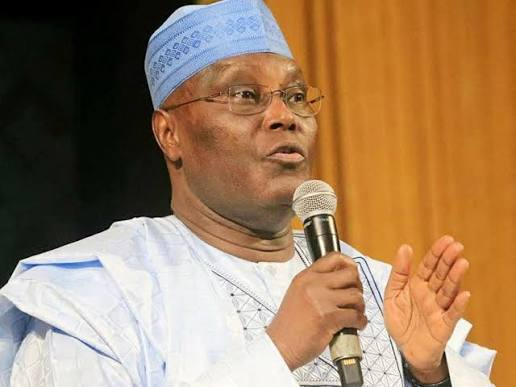
Nigeria's agricultural trade balance experienced a severe downturn, shifting from a trade surplus of 740.27 billion naira to a deficit of 56.13 billion naira within a single year, according to statements released by former Vice President Atiku Abubakar.
The report attributes the reversal—totaling 796.40 billion naira when compared to the same period in the previous year—to a 33.3 percent drop in agricultural exports during the first half of 2026. Critics of the current administration argue that persistent security challenges in farming regions, high logistics costs for transporting produce, and soaring manufacturing expenses have severely hampered domestic production. Furthermore, concerns were raised regarding the continued export of raw agricultural goods, such as cocoa beans and raw cashew nuts, rather than processing them locally to retain higher economic value and create domestic jobs.
In response to these economic pressures, proposed alternative policies include implementing a capped, budgeted, and independently audited production subsidy specifically for petroleum products refined within Nigeria, including modular refineries. Proponents argue that lowering energy and fuel costs is essential for supporting local industries, stabilizing transportation and cooking gas prices, and easing the cost of living for citizens. Additional pledges emphasize strengthening domestic support for farmers and processors to ensure that resources are grown, refined, and processed locally.