


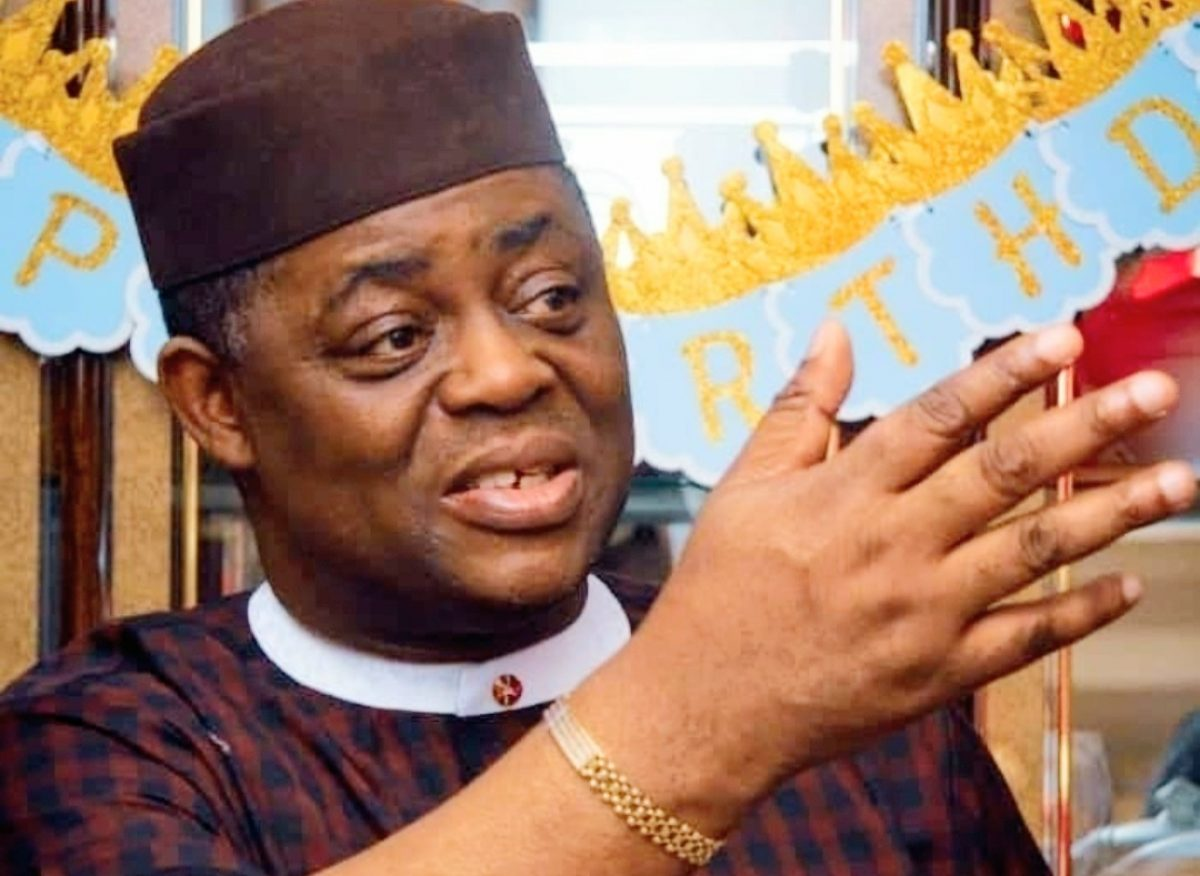
A heated war of words has erupted between Paul Ibe, the media adviser to former Vice President Atiku Abubakar, and former Aviation Minister Femi Fani Kayode. The clash was sparked by Fani Kayode’s sharp criticism of Atiku for referring to President Bola Tinubu by his first name, "Bola," during an Independence Day address rather than using his formal title.
Fani Kayode had accused Atiku of showing disrespect to the nation's leader, arguing that addressing the President so casually violates basic political decorum.
However, in a robust counter-statement, Ibe dismissed the criticism as a trivial distraction from Nigeria's severe socio-economic challenges. He argued that the President is an elected public servant in a constitutional republic, not an absolute monarch or emperor who requires special titles to shield him from everyday public discourse. Ibe emphasized that calling someone by their given name is neither a crime nor a constitutional violation.
Pointing Out Hypocrisy
Ibe went further, accusing Fani Kayode of moral hypocrisy. He pointed out that the former minister frequently uses harsh insults in his own political writings such as labeling opponents "hungry wolves" or "pit bull terriers" while simultaneously lecturing others on restraint and decency.
The media aide also reminded the public of Fani Kayode's controversial history, citing past incidents involving aggressive remarks toward journalists, accusations of inflammatory rhetoric, and personal baggage from previous domestic disputes. Ibe suggested that someone with such a polarizing public record should exercise caution before attempting to judge the character of others.
Shifting Focus to Real Issues
Beyond the personal sparring, Ibe criticized Fani Kayode for completely sidestepping the substantive policy issues Atiku raised in his October 1 speech. He maintained that political debates should focus on the pressing difficulties currently facing everyday citizens rather than semantics and formal titles.
Key questions raised by Atiku's camp include:
-
Have food prices become more affordable?
-
Is the cost of fuel and electricity manageable?
-
Are citizens genuinely safer from insecurity?
-
Are local businesses thriving and incomes strengthening?
Ibe concluded by asserting that when the 2027 general elections arrive, voters will base their decisions on the tangible cost of living, job creation, and economic survival under the current administration, rather than how politicians choose to address one another.