


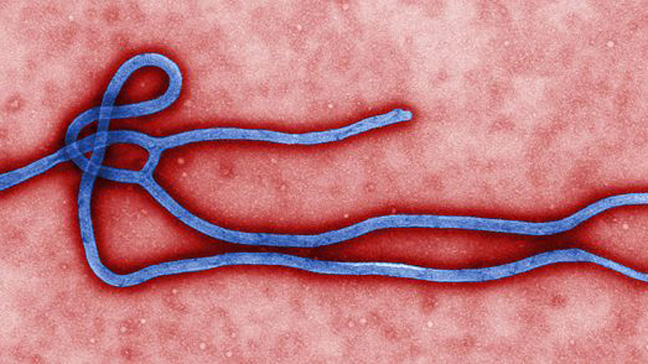
The Federal Government of Nigeria has confirmed a single case of Ebola disease in the Federal Capital Territory (FCT), Abuja, and immediately deployed a comprehensive public health response to prevent any further transmission.
The announcement was made by the Coordinating Minister of Health and Social Welfare, Prof. Muhammad Ali Pate, following laboratory confirmation of the infection. The patient is an adult female who recently traveled to Nigeria on an international flight from Uganda. Upon arrival, she sought treatment at a private hospital in the FCT, where she was admitted and cared for over several days before the diagnosis was officially verified.
The patient has been transferred to a secure isolation facility, where she is currently receiving specialized medical care.
Coordinated Public Health Response and Contact Tracing
In response to the detection, the Federal Ministry of Health and Social Welfare, the Nigeria Centre for Disease Control and Prevention (NCDC), and the FCT Health Services Secretariat have mobilized a joint containment operation.
-
Active Contact Tracing: Public health teams have successfully identified and initiated monitoring for 44 close contacts.
-
Expanded Surveillance: Efforts are ongoing to identify, trace, and monitor any additional individuals who may have had exposure, including healthcare personnel, fellow patients, caregivers, and travel companions.
-
Facility Support: The private hospital where the patient initially received care is receiving urgent technical assistance and resources to reinforce infection prevention and control (IPC) protocols.
National health authorities have issued a nationwide directive placing all public and private healthcare facilities on high alert. Clinicians have been instructed to maintain heightened vigilance, promptly isolate suspected cases, adhere strictly to safety guidelines, and immediately notify public health officials of any anomalies.
Regional Context and Public Safety Advisory
This confirmation follows an evolving regional health landscape. Earlier in October, the NCDC issued an advisory highlighting the elevated risk of imported cases following an outbreak linked to the Democratic Republic of the Congo.
According to the World Health Organization (WHO), Ebola is transmitted through direct contact with the blood, bodily fluids, or contaminated materials of an infected individual. Crucially, individuals do not transmit the virus before symptoms manifest, and the typical incubation period lasts between two and 21 days.
Minister Pate reassured the public that Nigeria possesses the technical expertise and institutional infrastructure necessary to manage the situation effectively, pointing to the successful containment of the 2014 Ebola outbreak as proof of the country's capability. However, he emphasized that public cooperation remains vital to halting transmission.
Key Recommendations for the Public
-
Practice Hygiene: Wash hands regularly with soap and water or use an alcohol-based sanitizer.
-
Avoid Exposure: Refrain from direct contact with the blood or bodily fluids of anyone exhibiting symptoms of the virus.
-
Recognize Symptoms: Be alert to signs such as sudden fever, severe weakness, intense headaches, vomiting, and diarrhea especially if there is a history of potential exposure.
-
Seek Guidance Early: Anyone developing symptoms should immediately isolate from others and contact public health authorities via telephone for instructions before visiting a medical facility.
-
Cooperate with Officials: Passengers and individuals contacted during the tracing process are urged to provide accurate information and follow official directives.
The Presidential Task Force on Ebola Virus Disease and the NCDC will provide ongoing updates as investigations continue. Members of the public seeking information or wishing to report a suspected case can reach the NCDC toll-free call center at any time by dialing 6232.