


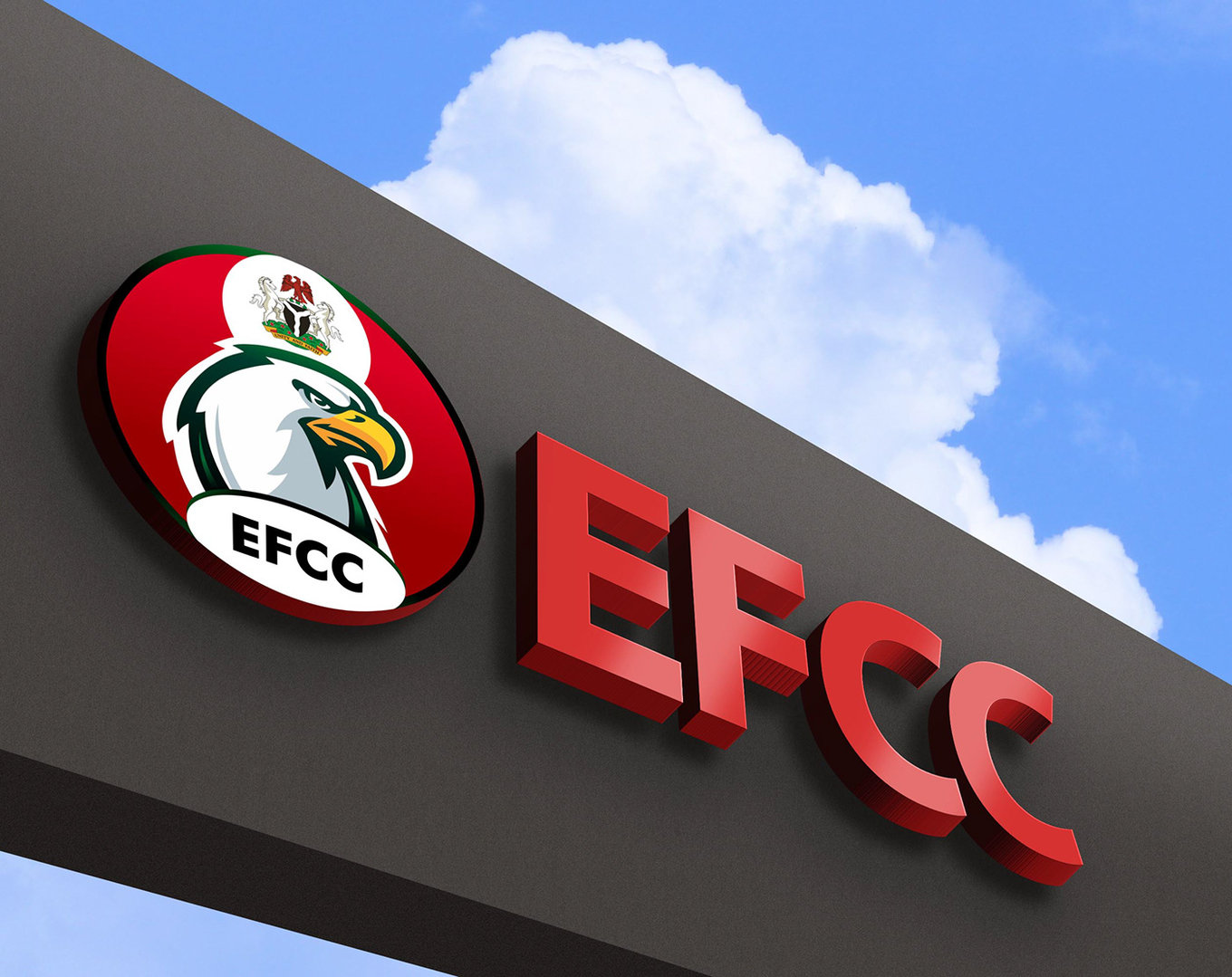
The Economic and Financial Crimes Commission (EFCC) has officially cautioned content creators and digital filmmakers against the unauthorized use of the Commission’s name, logo, and official insignia in their productions.
In a public statement, the anti-graft agency emphasized that the misrepresentation or impersonation of its personnel and branding in social media skits, videos, and other digital content could lead to severe legal repercussions, including criminal prosecution. The EFCC maintained that this directive is a proactive measure intended to curb public misinformation and mitigate the risk of fraudulent activities carried out by individuals exploiting the agency’s image.
Divergent Perspectives on Digital Expression
The announcement has sparked a significant debate across Nigeria’s digital landscape, highlighting a tension between institutional protection and artistic liberty:
-
Institutional Integrity: Supporters of the directive argue that the measure is essential to maintain the sanctity of the EFCC. They contend that unregulated portrayals can confuse the public and provide a cover for criminals to pose as legitimate officers.
-
Creative Freedom: Conversely, critics and members of the creative community express concern that the move may stifle satire and digital expression. Nigeria’s booming content creation industry frequently utilizes social commentary and institutional tropes to engage audiences and address societal issues.
Impact on the Creative Economy
Industry analysts suggest that this stance will necessitate a shift in how Nigerian creators approach political and institutional satire. To avoid legal entanglements, creators may now need to:
-
Seek Official Clearance: Formally apply for permission when depicting the agency.
-
Utilize Disclaimers: Clearly state the fictional nature of their content.
-
Adopt Generic Branding: Use fictionalized names and symbols to represent law enforcement to bypass direct infringement.
"While protecting the identity of a law enforcement agency is paramount, there is an urgent need for clear, collaborative guidelines that allow for creative satire without infringing on legal boundaries," noted one digital media consultant.
As the conversation evolves, stakeholders from both the legal and entertainment sectors are calling for a balanced framework that safeguards the EFCC’s reputation while upholding the constitutional rights of creators to freedom of expression.