


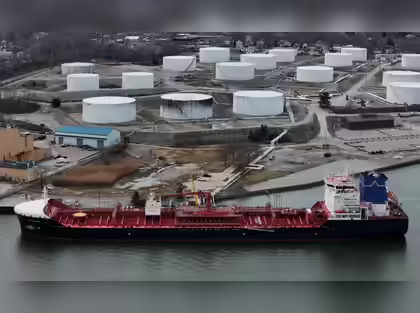
Gulf Crisis Escalates: Iran Strikes Kuwaiti Tanker as Trump Issues 'Obliteration' Ultimatum
DUBAI – Regional tensions reached a volatile new peak on Monday after an Iranian strike set ablaze a fully loaded crude oil tanker off the coast of Dubai. The attack coincided with a stark warning from U.S. President Donald Trump, who threatened the total destruction of Iran’s energy infrastructure unless the strategic Strait of Hormuz is immediately reopened.
Maritime Assault and Economic Shockwaves
The Kuwait-flagged vessel, identified as the Al-Salmi, was reportedly targeted by drones while transporting approximately two million barrels of crude oil, valued at over $200 million. Emergency teams in Dubai managed to contain the resulting fire; authorities confirmed structural damage to the hull but reported no casualties.
This assault is the latest in a series of coordinated strikes on commercial shipping that began on February 28. The disruption has sent ripples through global markets:
-
Oil Prices: Crude prices surged briefly following the strike, heightening fears of a protracted global supply crisis.
-
U.S. Domestic Impact: American petrol prices have climbed above $4 per gallon for the first time in three years, creating a significant political hurdle for the Trump administration ahead of the November midterm elections.
Expanding Theatre of War
Military activity continues to intensify across multiple fronts, signaling a shift toward a broader regional conflict:
-
Israel & Lebanon: Israeli forces conducted strikes on targets in Tehran and Beirut. In Southern Lebanon, the IDF confirmed the deaths of four soldiers during heavy clashes in areas housing UN peacekeepers.
-
Iran & Proxies: Tehran launched a wave of missile and drone strikes targeting Israeli positions and U.S. military installations. Simultaneously, Houthi forces directed fire toward Israel, while Turkey reported intercepting a ballistic missile in its airspace.
-
U.S. Deployment: Thousands of troops from the 82nd Airborne Division have begun deploying to the theater, a move analysts suggest indicates preparations for a potential ground offensive.
Diplomatic Deadlock and 'Obliteration' Threats
Despite the military escalation, the White House maintains that back-channel communications remain open. Washington has set an April 6 deadline for Iran to restore transit through the Strait of Hormuz, which handles 20% of the world’s oil and liquefied natural gas.
Iranian officials, however, have dismissed U.S. diplomatic overtures as "unrealistic," maintaining that their actions are defensive measures against foreign aggression.
"The United States will completely obliterate Iran’s oil wells, power plants, and key facilities—including Kharg Island—if a deal is not reached and the strait remains closed," President Trump stated following the breakdown of recent talks.
Financial and Political Stakes
To sustain the escalating effort, the Trump administration is seeking $200 billion in additional military funding from Congress. Reports also indicate the White House is exploring a framework where Arab allied nations would help finance the operations.
While markets showed a marginal recovery on rumors that Washington might narrow its military objectives, the continued closure of the Strait of Hormuz remains a "red line" for global economists, who warn of severe, long-term consequences for the world economy.