


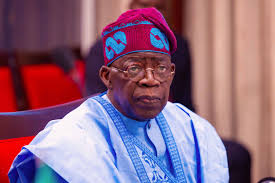
Tinubu Approves ₦3.3 Trillion Settlement to Clear Decade-Long Power Sector Debts
ABUJA — In a major move to stabilize Nigeria’s energy landscape, President Bola Tinubu has authorized the settlement of ₦3.3 trillion in accumulated debts owed to power sector stakeholders. The legacy debt, which accrued between February 2015 and March 2025, has long been cited as a primary bottleneck stifling the country's electricity value chain.
The Special Adviser to the President on Information and Strategy, Bayo Onanuga, confirmed that the repayment plan follows a comprehensive review of the financial liabilities that have burdened the sector for over a decade.
Debt Settlement:
-
Total Approved Amount: ₦3.3 trillion.
-
Initial Implementation: 15 power generation companies (GenCos) have already signed settlement agreements totalling ₦2.3 trillion.
-
Funding Status: The Federal Government has raised ₦501 billion to initiate the process, with ₦223 billion already disbursed to beneficiaries.
-
Timeline: The second phase of the program (Series II) is scheduled to commence in the second quarter of 2026.
Restoring Investor Confidence
The initiative, part of the Power Sector Financial Reforms Programme, aims to address liquidity challenges that have historically prevented power plants from maintaining optimal operations.
Olu Arowolo-Verheijen, Special Adviser on Energy to the President, emphasized that the reform extends beyond mere debt clearance.
"This programme is about restoring confidence across the entire value chain—ensuring gas suppliers are paid and power plants remain operational," she stated. "It aligns with broader reforms, including improved metering and service-based tariffs, to ensure Nigerians receive quality service commensurate with their payments."
Economic Impact and Grid Reliability
The Federal Government anticipates that this massive capital injection will yield several critical benefits:
-
Stable Generation: Consistent payments to gas suppliers and GenCos will reduce forced outages.
-
Increased Investment: Clearing legacy liabilities makes the sector more "bankable" for private investors.
-
Economic Growth: By prioritizing supply to industries and small enterprises, the government aims to stimulate job creation and industrial productivity.
President Tinubu commended the stakeholders involved in the negotiations and reaffirmed the administration's commitment to building a power system that serves both residential consumers and the broader national economy.