


Nigeria has moved a significant step closer to decentralizing its security architecture as multiple state houses of assembly approve the Constitution of the Federal Republic of Nigeria, 1999 (Sixth Alteration) Bill, 2026.
The legislative push centers on restructuring the nation's law enforcement by replacing the single Nigeria Police Force with a dual policing framework consisting of a Federal Police Service and State Police Services.
Legislative Progress and Timelines
The path toward establishing state policing involves coordinated efforts between the executive branch and federal and state legislatures:
-
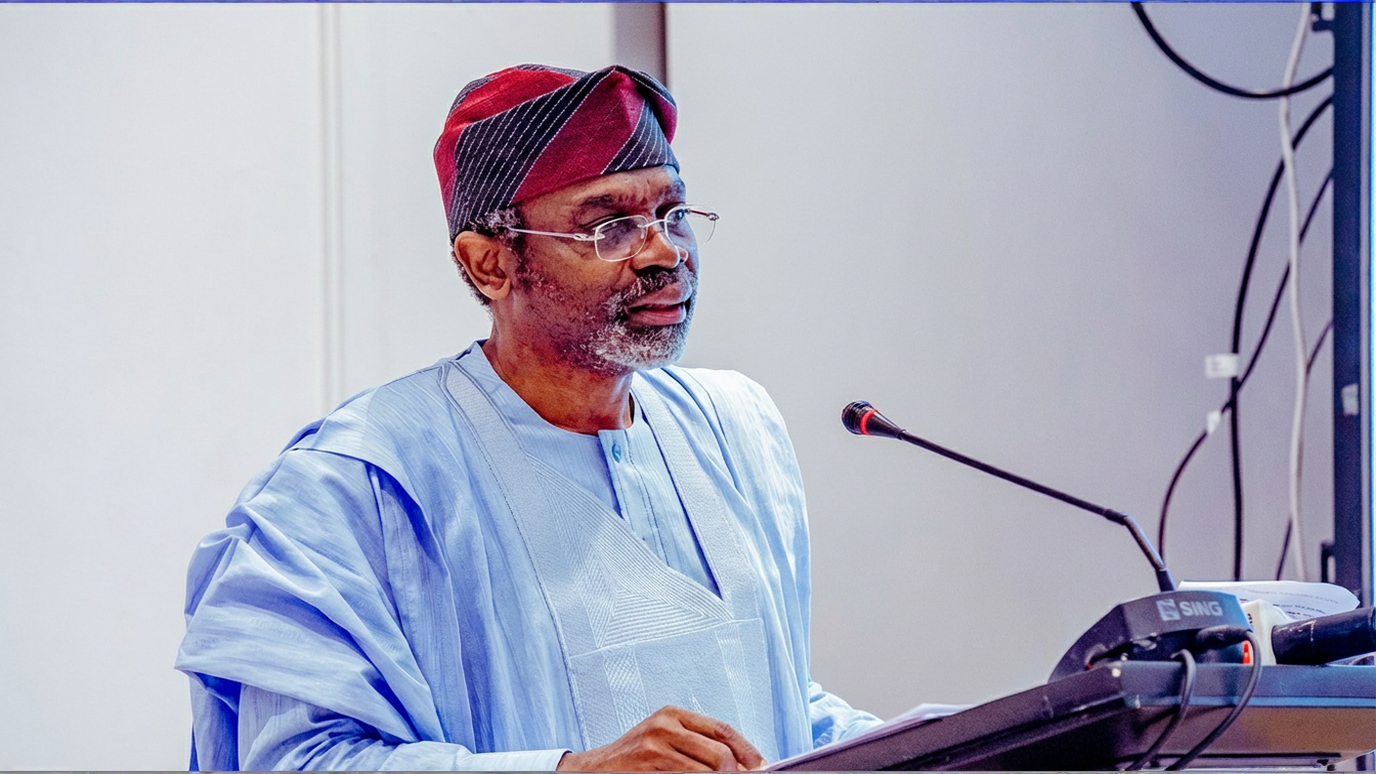
Executive Action: The Presidential Working Group (PWG), chaired by Chief of Staff to the President Femi Gbajabiamila, finalized the draft National Policing Bill, 2026, along with 29 consequential amendment bills. These documents were submitted to the Ministry of Justice for legislative review and validation.
-
Review Window: The Ministry of Justice is tasked with ensuring the bills conform to legal standards without conflicting with existing laws before returning them for final consideration.
-
National Assembly: Both the Senate and the House of Representatives previously passed the core legislation. On September 16, 2026, the Clerk to the National Assembly transmitted the Sixth Alteration Bill to all 36 State Houses of Assembly for formal consideration.
State Assembly Actions
To successfully alter the constitution, the proposed bills require approval from at least two-thirds (24 out of 36) of the state assemblies. Recent developments across various states highlight widespread legislative backing:
-
Ogun State: The House of Assembly passed a formal resolution supporting the constitutional alteration following the presentation of an ad-hoc committee report covering 26 clauses and sectional amendments.
-
Delta State: Lawmakers unanimously voted in favor of the 6th Alteration Bill to establish state police services, emphasizing the potential for improved local intelligence gathering and community security.
-
Adamawa State: The assembly approved 24 out of 26 clauses, while choosing to reject two specific provisions due to lack of clarity among members.
-
Kwara and Plateau States: Both assemblies formally endorsed the constitutional amendments, highlighting the urgency of addressing manpower shortages and rising security challenges through localized policing.
-
Kebbi State: The assembly officially received and referred the bill to its Committee on Internal Security for expedited deliberation.
-
Prior Approvals: States including Edo, Osun, Oyo, Rivers, and Zamfara had earlier indicated support for the structural transition.
Objectives and Public Debate
Proponents of the reform argue that a decentralized policing model will enhance local intelligence, quicken response times to regional security threats such as banditry and kidnapping, and strengthen grassroots safety.
At the same time, discussions among lawmakers and legal experts continue to emphasize the importance of robust regulatory safeguards. These measures aim to prevent political interference, safeguard human rights, and ensure the operational professionalism and accountability of the prospective state police services.