


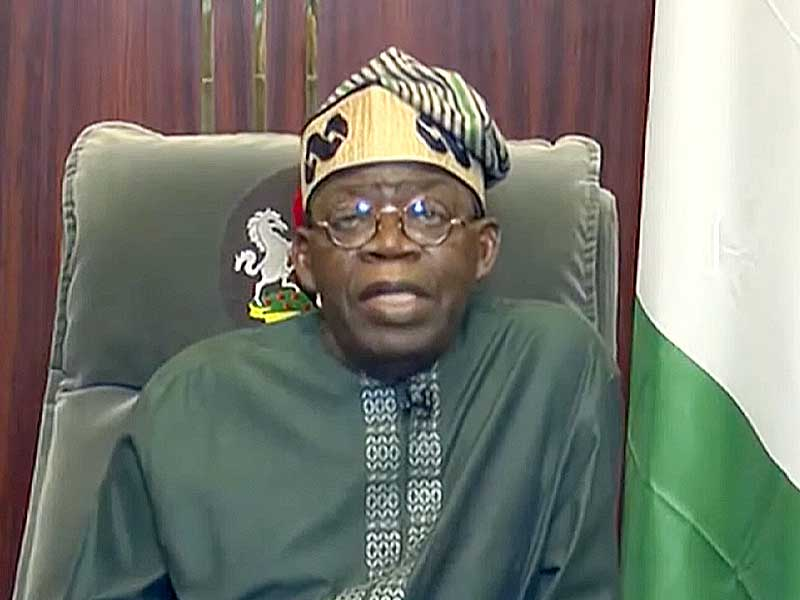
Recent disclosures by the Minister of Defence, Christopher Musa, regarding a salary adjustment for Nigerian soldiers have drawn sharp criticism from military veterans and serving personnel. Minister Musa revealed that the minimum monthly wage for soldiers has been increased to N100,000, up from the previous baseline of N49,000.
Despite the increase, critics and personnel have labeled the new remuneration package as entirely inadequate given the country's current economic challenges and high cost of living. Members of the military community have expressed disappointment, pointing out that the current administration has yet to fully implement the comprehensive salary review promised by President Bola Tinubu earlier this year.
Implications on Morale and Recruitment
Serving personnel, speaking on the condition of anonymity, warned that insufficient compensation is actively harming operational readiness. Key concerns raised by the troops include:
-
Declining Morale: The gap between the high risks of military service and the current pay structure has led to diminished morale across various ranks.
-
Operational Attrition: Insufficient financial support has reportedly contributed to an increase in personnel going absent without leave (AWOL) as they struggle to sustain their families.
-
Recruitment Challenges: The current economic realities make military service less financially attractive, hindering the armed forces' ability to attract and retain high-quality talent.
Representatives from veteran coalitions have echoed these sentiments, emphasizing that individuals risking their lives to maintain national peace require compensation that reflects their sacrifices and covers basic household necessities.
Defence Ministry Addresses Welfare and Security Challenges
In a recent broadcast interview, Minister Musa acknowledged that the defense sector remains underfunded despite recent adjustments to personnel welfare. However, he defended the government's efforts, dismissing widespread public allegations of poor feeding within the military as misleading fabrications intended to damage the institution's reputation.
Beyond welfare matters, the Minister addressed ongoing security challenges:
Capital Punishment for Abductors
Musa advocated for stricter legal measures, including the introduction of the death penalty for kidnappers, arguing that existing laws lack the severity needed to deter criminal networks.
Strategic Motives Behind Abductions
Commenting on the recent targeting of schoolchildren in Oyo State, the Minister explained that criminal syndicates are attempting to use abductions as leverage to force the military into releasing detained insurgent commanders. He noted that these groups have resorted to threats against hostages to hinder active rescue operations.
High-Level Security Review at the State House
Amid these developments, President Bola Tinubu convened an emergency closed-door security meeting at the Presidential Villa in Abuja. The strategy session brought together the nation's top military command, intelligence directors, and senior security advisers to conduct a comprehensive review of ongoing operations across major theaters of conflict.
While the Presidency has not issued an official statement detailing the specific outcomes of the briefing, the meeting follows significant military engagements in the northern region:
-
North-West Operations: Joint air and ground forces successfully disrupted a major terrorist offensive in Zamfara and Katsina states, neutralizing a notorious bandit commander and utilizing precision airstrikes against a large convoy of armed actors.
-
North-East Defenses: Security forces recently repelled coordinated insurgent assaults on forward operating bases in Borno State, countering a deliberate campaign by ISWAP forces to degrade military infrastructure.