


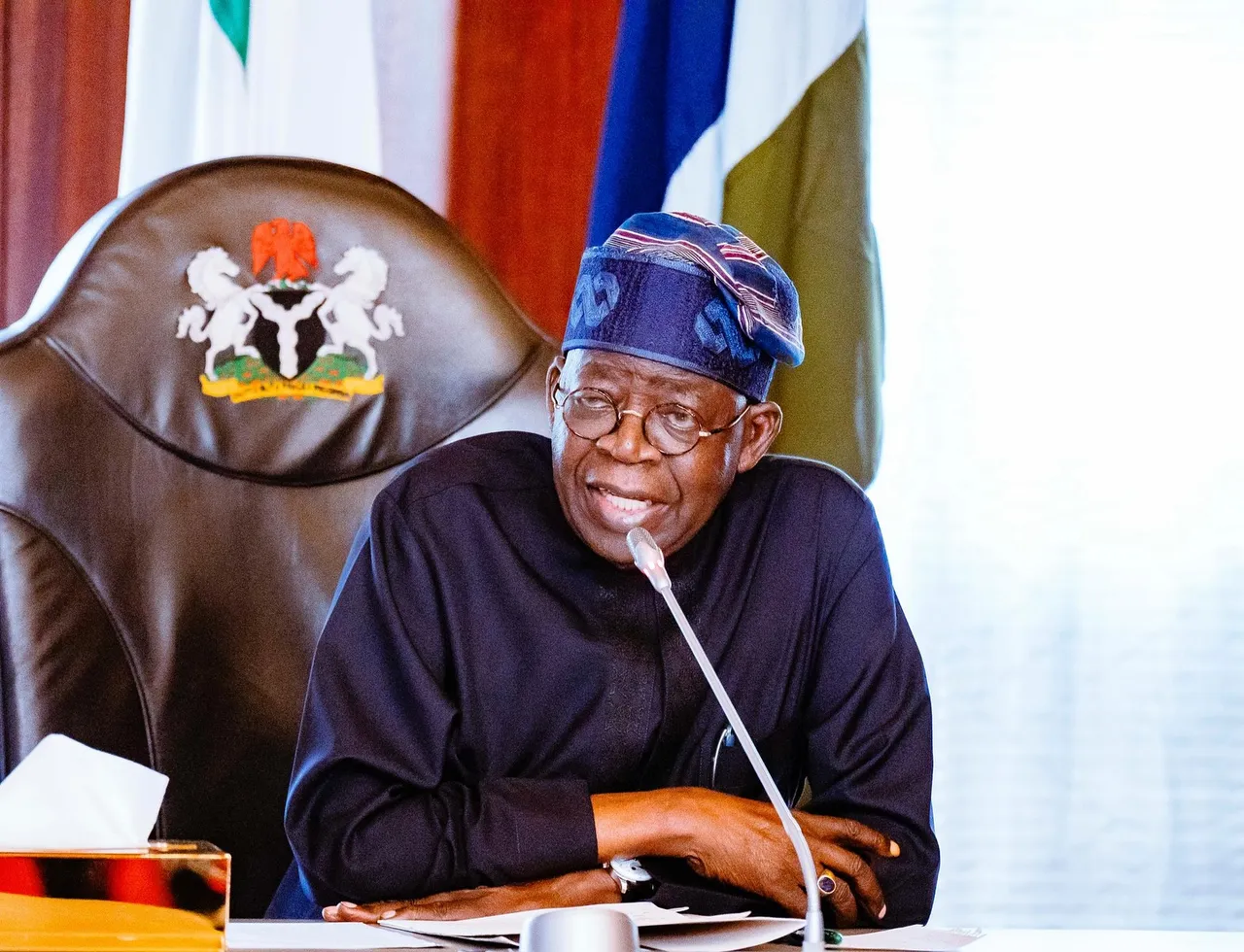
President Bola Tinubu has directed the Independent Corrupt Practices and Other Related Offences Commission (ICPC) to launch a thorough investigation into the Presidential Foreign Intervention Promotion Council (PFIPC), a body the Presidency declares is entirely fictitious. The anti-graft agency has been given a 30-day ultimatum to submit a comprehensive report on the matter.
According to a statement issued by the Special Adviser to the President on Information and Strategy, Bayo Onanuga, the executive directive follows revelations that the council was never legally established or authorized by the Federal Government. The investigation will focus heavily on Adeniyi Adeyemi Mathew, who allegedly paraded himself as the council's Director-General using forged presidential appointment letters and official documents. Mathew is accused of using these false credentials to secure diplomatic support, visa facilitations, and to open multiple unauthorized bank accounts under the guise of government agencies.
President Tinubu’s mandate tasks the ICPC with uncovering how a non-existent entity managed to project an appearance of official legitimacy. The inquiry will scrutinize the origin of the forged documents, the involvement of financial institutions, and whether any public officers or intermediaries facilitated the scheme. Furthermore, the ICPC is expected to identify institutional vulnerabilities within the civil service and recommend immediate systemic reforms.
Public Pressure and Institutional Oversights
The presidency's intervention follows intense scrutiny from civil society organizations, opposition figures, and legal experts. Concerns mounted after it was revealed that the unauthorized council operated out of the Federal Secretariat Complex, engaged with foreign diplomatic missions, and successfully secured a N1.3 billion allocation in the 2026 Appropriation Act.
Reports indicate that several administrative oversights within the Office of the Head of the Civil Service of the Federation, the Budget Office, and the National Assembly allowed the entity to bypass standard verification protocols. Additionally, the Office of the Secretary to the Government of the Federation had reportedly processed official correspondence from the PFIPC months before its legitimacy was publicly challenged.
Legal and Legislative Reactions
Mathew is currently facing an eight-count charge before the Federal High Court in Abuja involving conspiracy, forgery, and impersonation. The federal government has listed 11 prosecution witnesses for the upcoming trial, including the Chief of Staff to the President, Femi Gbajabiamila. The Presidency maintained that police forensic analysis confirmed Gbajabiamila’s signature on Mathew's appointment letter was entirely fabricated.
Mathew's defense counsel, human rights lawyer Femi Falana, SAN, questioned how a fraudulent entity could be integrated into the national budget without internal cooperation. Falana also condemned the brief detention and interrogation of Mathew's father by the police, calling the action an unlawful intimidation of relatives. He assured that his client has consistently attended court dates and will appear for the next scheduled hearing on July 27.
Meanwhile, the Senate has declined to launch an independent legislative inquiry into the controversy. Speaking on behalf of the upper chamber, the Chairman of the Senate Committee on Media and Publicity, Senator Yemi Adaramodu, explained that the National Assembly did not originate or insert the N1.3 billion budget line, nor was the alleged director-general ever screened by lawmakers. Adaramodu stated that because no formal petition has been submitted to the Senate and the matter is already active before a federal court, the issue remains strictly an executive and judicial concern.