


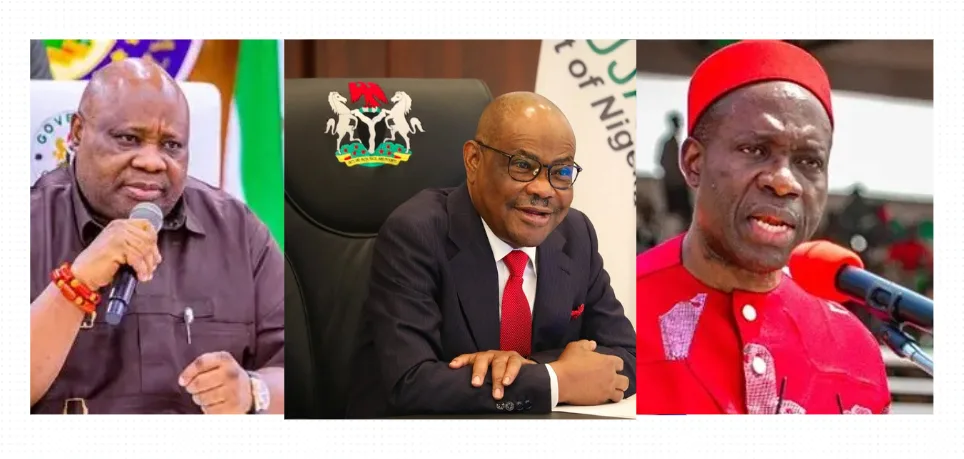
The appointment of prominent opposition figures to President Bola Tinubu’s expanded 2027 re-election campaign council has sparked intense friction within the ruling All Progressives Congress (APC) and raised deep concerns across rival political parties. While intended to fortify the President's support base in opposition strongholds, the strategic maneuver has triggered competing interests, divided loyalties, and anxiety over potential electoral fallout.
APC Stakeholders Discontented Over Sidelined Loyalists
Within the ruling party, the inclusion of opposition leaders as state campaign coordinators has generated considerable resentment among grassroots members and long-standing loyalists who feel overlooked.
-
State-Level Unease: In Osun State, stakeholders are reportedly frustrated that incumbent Governor Ademola Adeleke of the Accord Party was appointed coordinator instead of former Governor Gboyega Oyetola. Similar dissatisfaction emerged in Rivers State, where Nyesom Wike was favored over local party leaders, and in Anambra State, where Governor Charles Soludo of the All Progressives Grand Alliance (APGA) was given the coordinating role despite the presence of dedicated local APC veterans.
-
Morale and Grassroots Mobilization: Party insiders warn that bypassing loyal members could dampen enthusiasm and prompt stakeholders to withdraw from active campaigning, potentially harming grassroots mobilization efforts.
-
Official Reassurance: Defending the appointments, campaign media representatives maintained that strategic cross-party cooperation is necessary to unite stakeholders and secure a decisive victory across all states and wards.
Opposition Parties Fear Electoral Vulnerability
Rival parties are grappling with internal divisions as candidates worry that their leaders' public support for President Tinubu will confuse voters and jeopardize their own electoral prospects in the legislative races.
-
APGA and Voter Confusion: In Anambra, several APGA candidates fear that Governor Soludo's alliance with the APC will blur party identities and harm legislative contenders. Although APGA leadership insisted that the arrangement applies strictly to the presidential ballot—leaving local candidates to contest under the APGA banner—skeptics point to historical precedents. Critics frequently cite the 2003 general elections, when the Alliance for Democracy supported President Olusegun Obasanjo's re-election but subsequently lost five of the six South-West states it controlled.
-
Internal Friction within the Accord Party: Governor Adeleke’s appointment has caused friction within the Accord Party. While some state chapters view cross-party collaboration as an avenue for national unity, others argue that voters value independent political alignment and that the arrangement undermines the party's broader expansion goals.
-
Mixed Reactions Across the PDP: The Peoples Democratic Party remains split on the matter. Figures like Nyesom Wike's involvement have drawn criticism from candidates who fear competing interests at the polls. Conversely, several state chapters have downplayed the impact, emphasizing that voters are sophisticated enough to distinguish between presidential preferences and separate legislative ballots.
As political maneuvering intensifies ahead of the 2027 general elections, the integration of opposition figures into the ruling party's campaign architecture highlights the complex trade-offs of political alliances. While the strategy aims to broaden President Tinubu's national appeal, party leaders on both sides face the ongoing challenge of managing grassroots discontent and preventing split loyalties from impacting down-ballot races.