


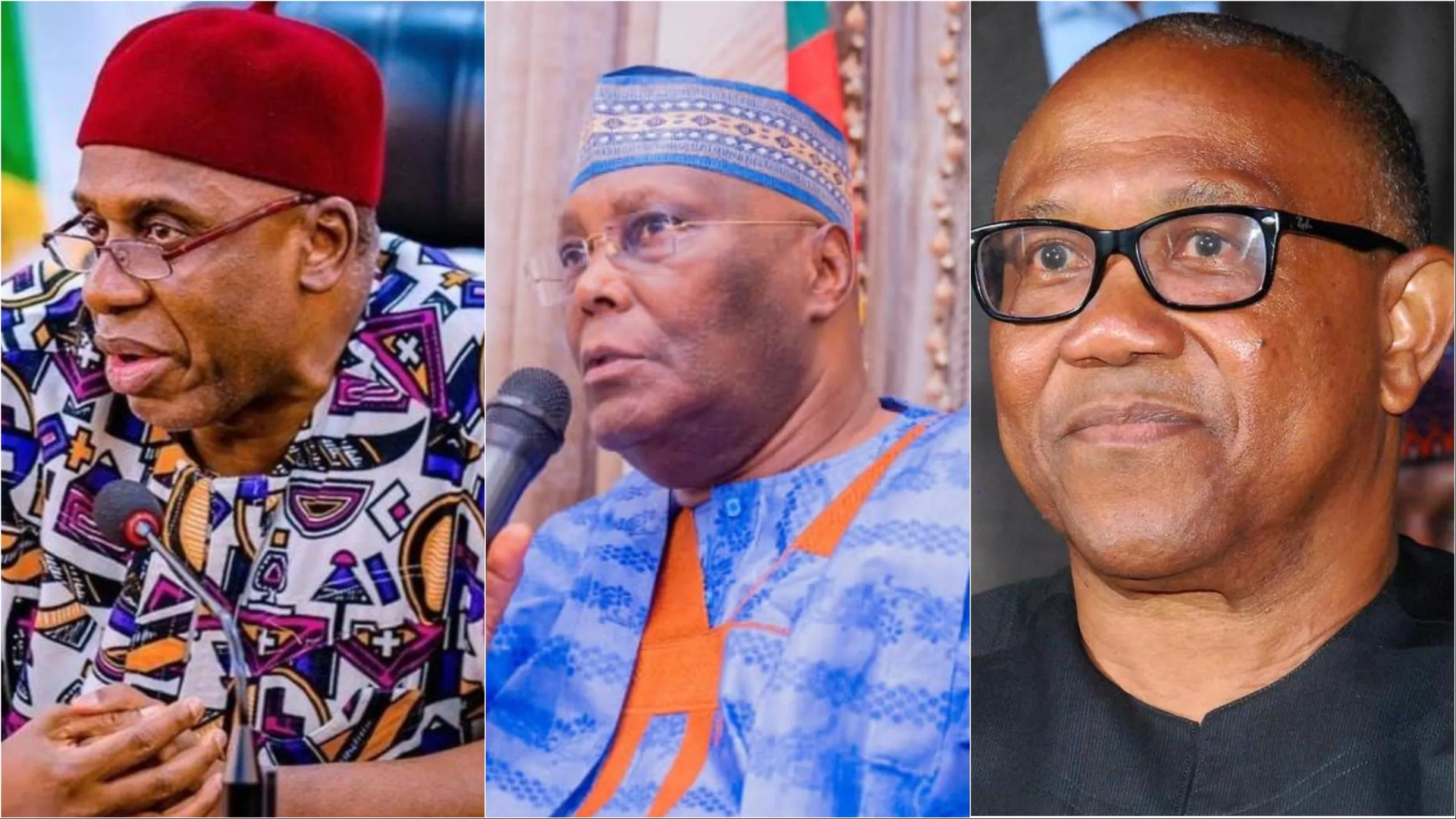
The African Democratic Congress (ADC) is currently grappling with a deepening internal crisis characterized by ego clashes, tribal undertones, and a bitter power struggle. Insiders warn that these domestic fractures may dismantle the party's 2027 presidential framework before it fully takes shape, shifting the party's focus from national consolidation to mere survival.
According to high-level sources familiar with the developments, the primary threat to the party’s stability is not external opposition, but a volatile mix of competing ambitions and long-standing mistrust among its key figures.
A Clash of Personalities and Regional Interests
At the heart of the turmoil are two influential former governors whose silent rivalry has reportedly stalled efforts to build a unified leadership structure. Sources indicate that their conflicting visions for the party's future have created a significant impasse:
-
Regional Gatekeeping: One former governor reportedly holds firm reservations against a Southeast candidate leading the ticket. While framed as a strategic political calculation, this stance has sparked accusations of ethnic bias and heightened regional sensitivities within the party ranks.
-
The "Northern Strategy": The second former governor is described as being driven by personal ambition, positioning himself as the only candidate capable of securing essential Northern backing. Critics within the party, however, suggest he significantly overestimates his national appeal.
"They are not thinking about victory; they are thinking about themselves," one source lamented, noting that the focus has shifted from building a winning coalition to a fight for individual control.
Legacy vs. New Entrants
The tension extends beyond the top-tier aspirants. Long-standing members who built the party’s foundation are reportedly feeling sidelined by high-profile newcomers. This "ownership" dispute has created a divide between legacy stakeholders and the "political heavyweights" who have recently entered the fray to reshape the party's internal balance.
Furthermore, a disconnect has emerged between public popularity and internal party acceptance. While several aspirants command significant following in the public eye, they lack the necessary support within the party's formal structure a risk factor that could prove fatal during the primaries.
Calls for Generational Shifts and Sacrifices
Veteran politician Senator Victor Umeh recently weighed in on the crisis, specifically addressing the persistent ambitions of perennial candidates like former Vice President Atiku Abubakar.
"He has been running since 2003," Umeh noted. "There is a time you say, ‘I’ve done it, let me prop up others.’" He warned that if the struggle for the ticket becomes a "wrestling match," the party will ultimately suffer the consequences.
Public affairs analyst Kenny Okolugbo suggested the ADC should look to the APC’s 2013 merger for lessons in sacrifice. He pointed out that President Bola Tinubu famously relinquished his vice-presidential ambitions to ensure the merger's success.
"The ADC can only succeed if the ticket is given to Peter Obi with a running mate like Kwankwaso," Okolugbo argued. "The moment Atiku gets that ticket, they will have self-imploded."
The Rise of Parallel Movements
As the ADC struggles with internal cohesion, new alignments like the Obi–Kwankwaso Movement are gaining momentum. Spokesperson Justin Ijeh described the movement as a "nationwide engine for systemic reform" that rejects tribalism.
However, political observers suggest that the rise of such parallel movements highlights the fragile nature of the current coalition. With some leading aspirants already exploring "Plan B" options on alternative platforms, the ADC finds itself at a critical crossroads.
Without immediate intervention to manage internal grievances and forge a consensus, the party risks losing its momentum at a decisive moment in Nigeria’s political cycle.