


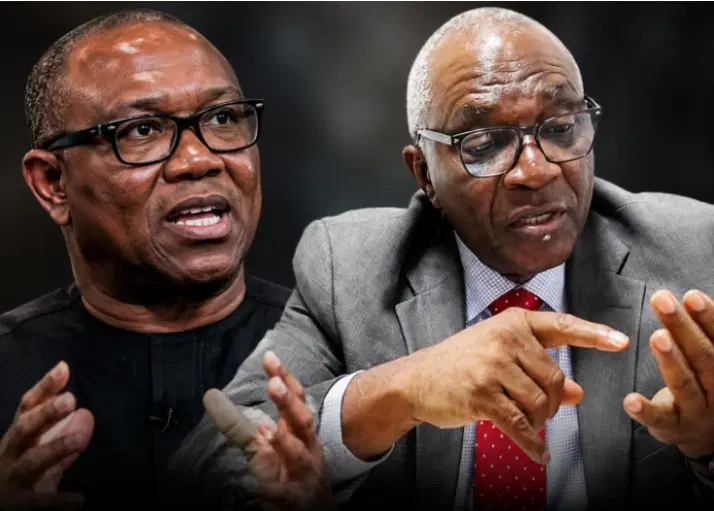
A major political dispute has erupted between the Nigerian Presidency and former presidential candidate Peter Obi regarding the financial state of Anambra State when he left office. The controversy centers on conflicting claims about outstanding debts, loans, and unpaid worker benefits from his gubernatorial tenure.
The Presidency's Challenge
The Special Adviser to the President on Information and Strategy publicly challenged Peter Obi to honor a previous pledge to withdraw from the upcoming 2027 presidential race. This challenge followed a recent statement from the Anambra State Government, which contradicted Obi's assertion that he handed over a debt-free administration with zero financial liabilities.
Conflicting Claims on Finances
-
Obi's Position: The former governor maintained that his administration cleared more than N35 billion in historical gratuities and left office completely free of salary, pension, or gratuity obligations. He also claimed his government accumulated over N75 billion in savings and left more than N2.13 billion untouched in a dedicated bank account for erosion management.
-
State Government's Position: Current officials disputed these assertions, stating that the administration inherited multiple legacy liabilities. According to the state, eight external loans linked to projects from that era remain active, totaling $92.35 million (approximately N127.37 billion) as of mid-2026. These loans funded critical sectors such as healthcare, education, agriculture, and erosion control.
-
Unpaid Obligations: The state government also reported that current leadership had to clear roughly N22 billion in inherited gratuity arrears owed to retired workers and teachers, alongside legacy salary arrears from the defunct Water Corporation.
With both sides presenting sharply contrasting figures on debts, savings, and historical arrears, the political debate highlights ongoing scrutiny of governance and public accountability leading up to the next election cycle.