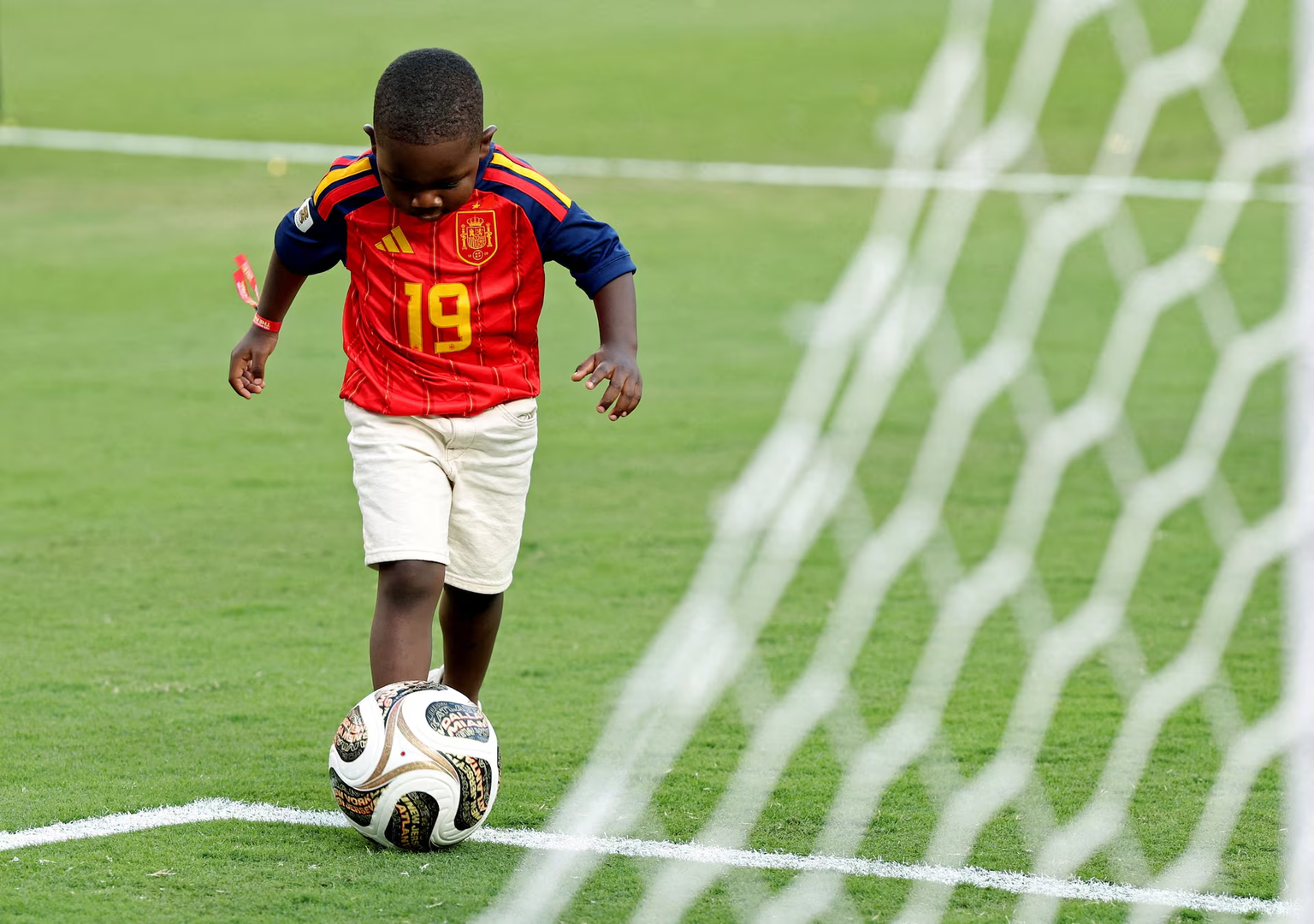


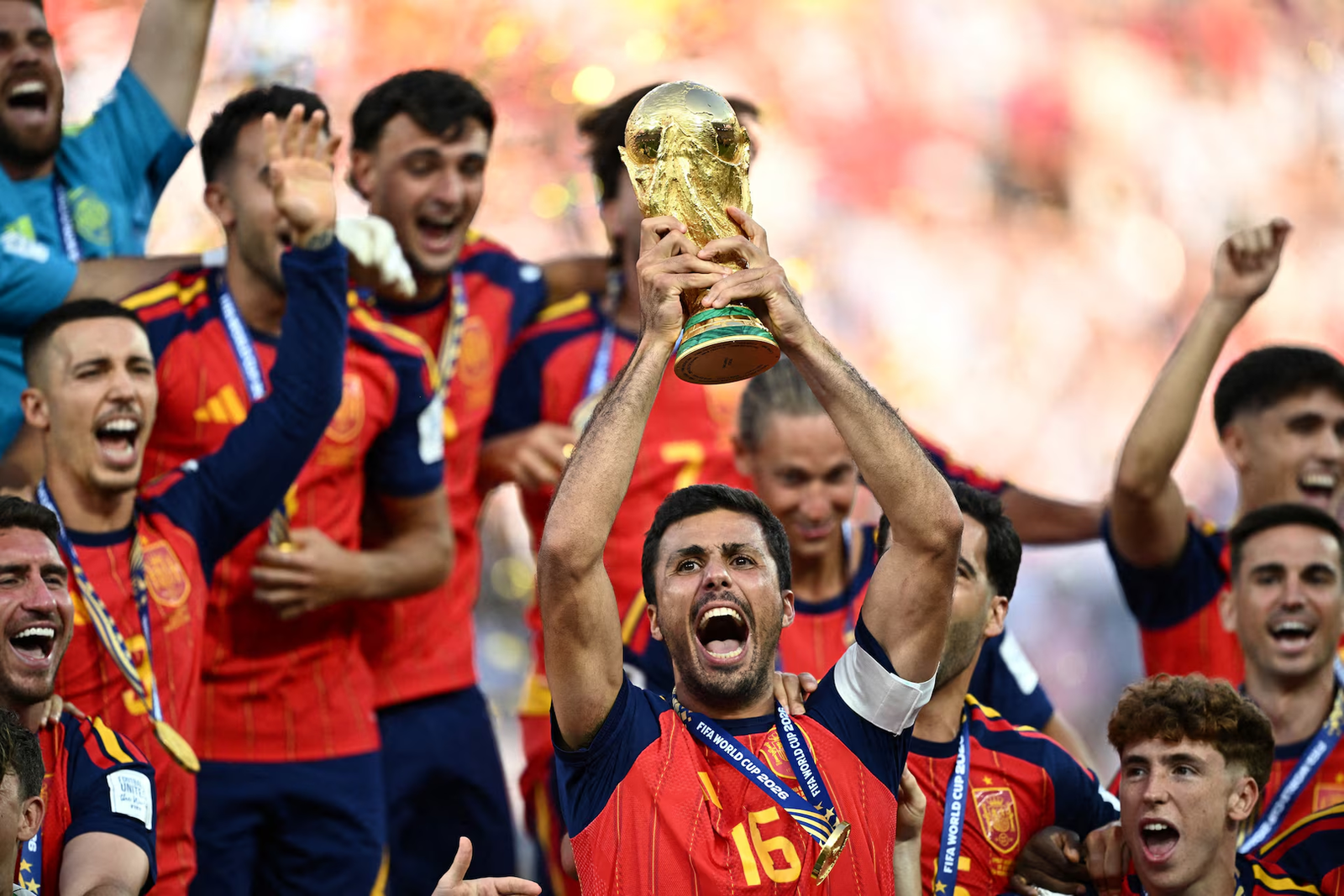
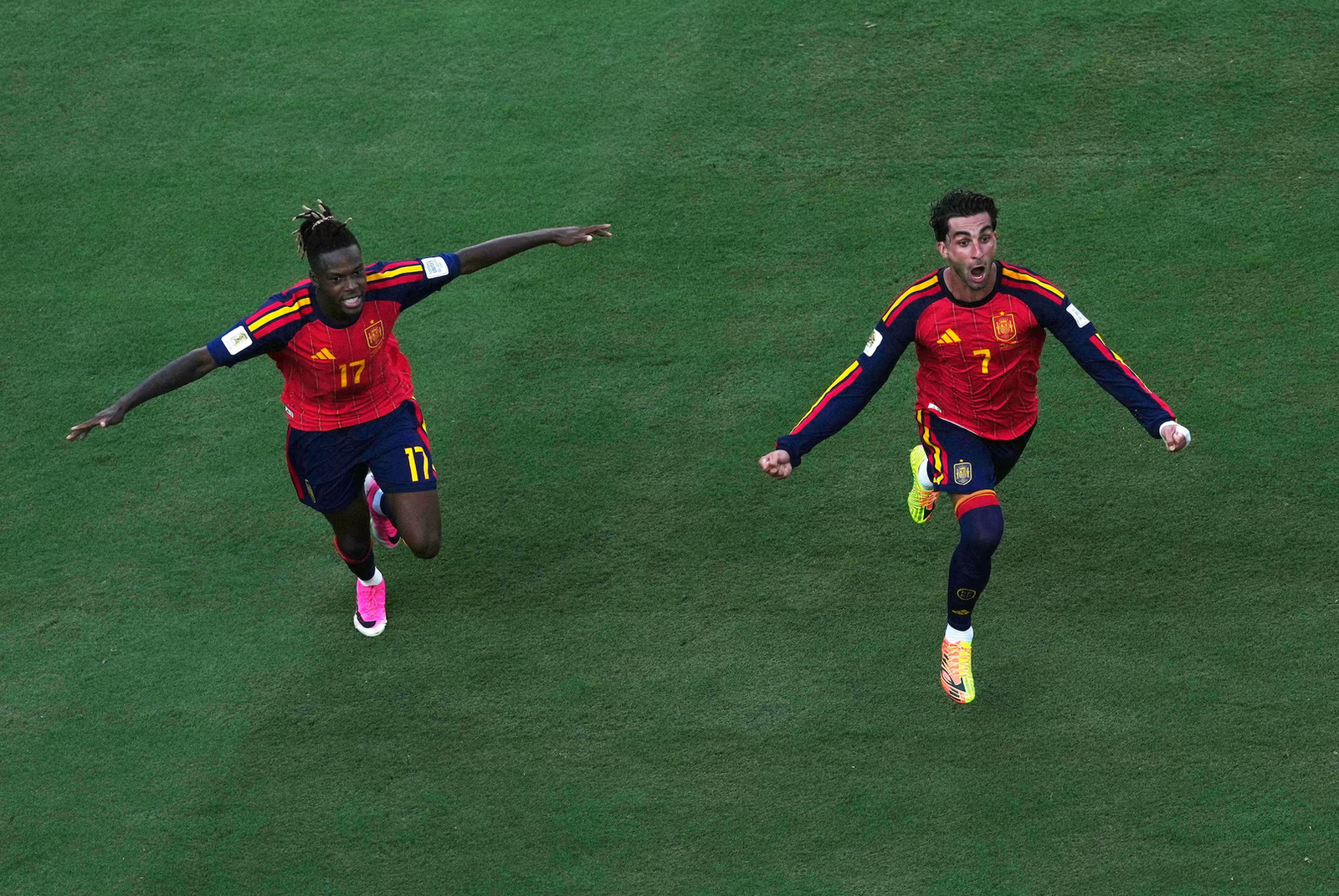
Spain secured their second men’s World Cup trophy following a hard-fought extra-time victory over Argentina in New Jersey. Ferran Torres struck the decisive goal in the 106th minute, capping off a dominant performance in a match defined as much by Spain’s tactical superiority as by Argentina’s fiery disciplinary troubles.
Controlled Dominance and Historical Milestones
Throughout the encounter, Spain dictated the tempo and control of play. They registered 65% possession, generated an expected goals tally of 1.94, and directed 11 of their 20 total shots on target. Goalkeeper Unai Simón recorded his seventh clean sheet in eight matches to earn the Golden Glove award, while Spain ended the tournament having conceded just a single goal—the lowest total ever by a winning team in World Cup history.
With this triumph, Spain holds the world, Olympic, and European titles simultaneously, alongside the women's world title. Their current undefeated streak now extends to 38 matches across all competitions, setting a record for European national teams.
Despite an opening match 0-0 draw against Cape Verde, Spain mounted an impressive recovery. Their composure in the final was anchored by remarkable passing performances: Pau Cubarsí completed 121 passes while Rodri completed 101, marking two of only three recorded instances of a player completing 100 or more passes in a World Cup final.
Individual Recognition and Emerging Talent
Spain’s victorious squad highlighted a mix of elite experience and emerging youth talent:
-
Pau Cubarsí: The 19-year-old defender was named the Young Player of the Tournament after a commanding defensive and passing display.
-
Lamine Yamal: At 19 years and six days old, he became the third-youngest player to feature in a World Cup final—behind Pelé and Giuseppe Bergomi—and subsequently the third-youngest winner in history.
-
Unai Simón: Claimed the Golden Glove with a series of decisive performances across the tournament.
Argentina's Defiance and Disciplinary Breakdown
Argentina adopted a physical, defensive approach designed to disrupt Spain’s rhythm. Operating primarily through a low block in midfield, Argentina attempted to stifle play while relying on physical challenges.
Statistical Contrast
| Metric | Spain | Argentina |
| Possession | 65% | 35% |
| Passes Completed | 852 | 464 |
| Shots on Target | 11 | 1 |
| Goalkeeper Saves | 0 | 11 |
Argentina failed to record a single shot during regular time, marking the first time in World Cup history a finalist went 90 minutes without an attempt on goal. Goalkeeper Emiliano Martínez produced 11 saves to keep Argentina competitive until late into extra time, before Lionel Messi recorded his side's first effort in the 117th minute.
Tensions and Post-Match Confrontations
Discipline proved problematic for the defending champions throughout the evening. Enzo Fernández received a second yellow card in extra time following a late tackle on Cubarsí, reducing Argentina to ten men.
Following the final whistle, tempers flared on the pitch, leading to confrontations involving several players from both sides. Despite the physical friction and late red card, Spain held firm through the closing minutes of extra time to secure the championship.