


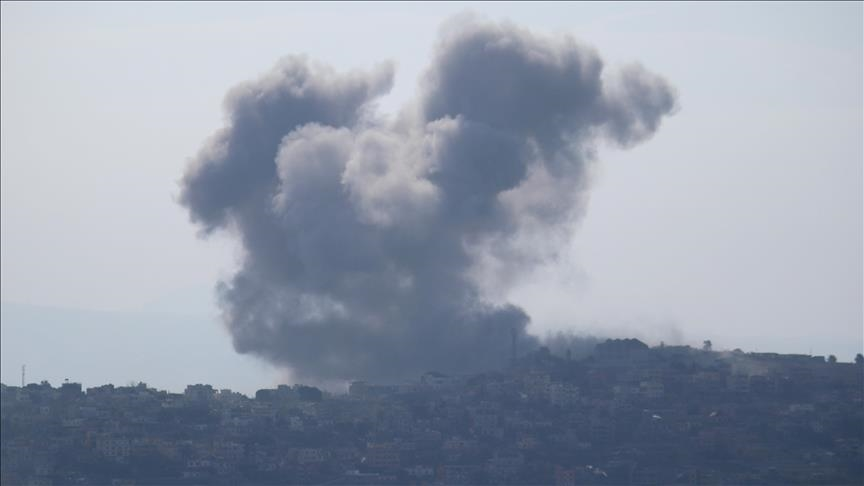
At least 13 people, including four women and a child, were killed in Israeli airstrikes across southern Lebanon on Friday, according to the Lebanese Health Ministry. The latest surge in violence comes despite a three-week extension of a ceasefire brokered by the United States.
Escalation in Southern Districts
The Lebanese Health Ministry reported that the fatalities occurred across several districts:
Nabatieh District: In the town of Haboush, eight people were killed, including two women and a child. This area had previously been under an Israel Defense Forces (IDF) evacuation order.
Sidon District: Four people, including two women, were killed in Zrarieh.
Tyre District: One fatality was reported in Ain Baal.
In addition to the 13 deaths, Lebanese officials stated that 32 people were injured on Friday. For its part, the IDF confirmed it conducted approximately 50 strikes over the past 24 hours, targeting what it described as Hezbollah headquarters and military infrastructure. The IDF also reported intercepting two "aerial targets" before they entered Israeli airspace.
Diplomatic Efforts and the Ceasefire Gap
The current hostilities are taking place against the backdrop of a fragile diplomatic process. On April 23, U.S. President Donald Trump announced a three-week extension to a ceasefire initially established on April 16. While Hezbollah was not a formal party to the Washington-led talks between Israel and Lebanon, the group had indicated it would adhere to the truce if Israel did the same.
While the agreement has largely halted strikes on Beirut and its southern suburbs, intense combat continues in the south. On Saturday, Hezbollah claimed responsibility for targeting Israeli soldiers and military vehicles within Lebanese territory.
The diplomatic push continues as the U.S. Embassy in Beirut suggested a potential meeting between Lebanese President Joseph Aoun and Israeli Prime Minister Benjamin Netanyahu. U.S. officials stated such a meeting could provide Lebanon with "concrete guarantees" regarding:
Full sovereignty and territorial integrity.
Secure borders and reconstruction support.
The restoration of Lebanese state authority nationwide.
Context of the Conflict
The current cycle of violence intensified following Israeli and U.S. actions against Iran on February 28, which led to retaliatory Hezbollah strikes on March 2. Since the subsequent Israeli ground incursion into southern Lebanon in early March:
Lebanon: 2,659 people have been killed, including 103 healthcare and emergency workers.
Israel: 17 soldiers have been killed in combat, alongside two civilian fatalities resulting from Hezbollah attacks.
Israeli forces currently occupy approximately 10km (6.2 miles) of Lebanese territory. Despite the ongoing military operations, U.S. Ambassador Michael Issa met with President Aoun on Friday to reaffirm continued American support for the Lebanese state.