


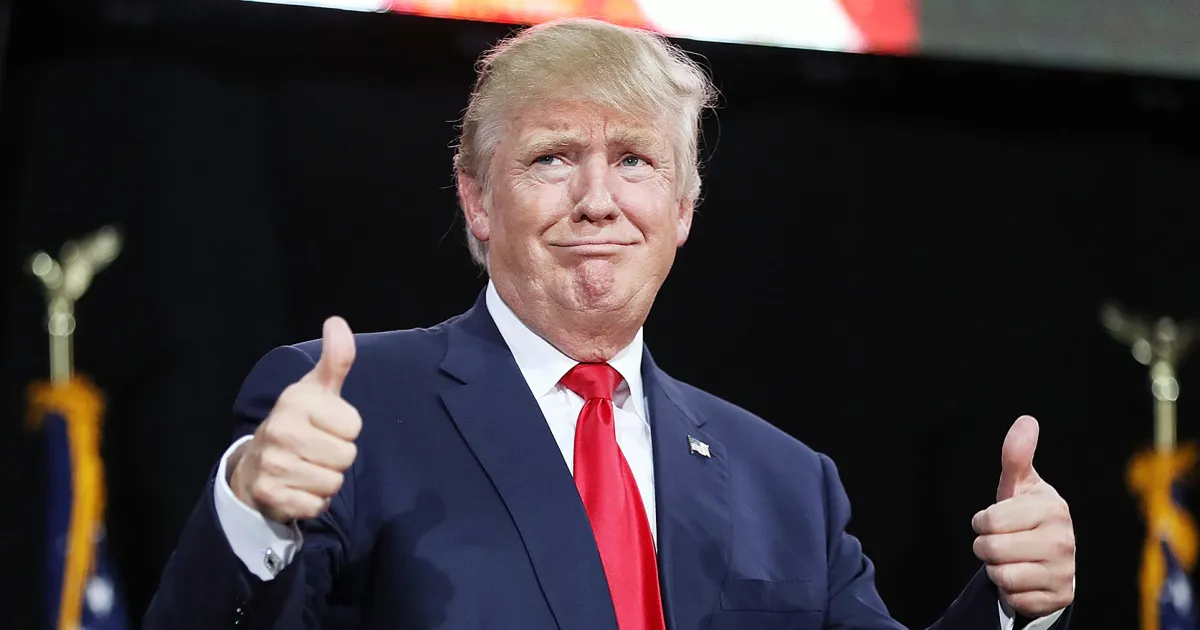
The United States has reached an agreement with Venezuela that will give Washington control over more than 65 billion barrels of the South American nation’s proven oil reserves, President Donald Trump announced.
Trump said the agreement would more than double US oil reserves, increase domestic supply and help reduce petrol prices for American consumers.
Venezuela’s interim President Delcy Rodriguez welcomed the deal, describing it as an important step toward reviving the country’s economy and rebuilding its struggling energy sector.
The agreement comes after the US seized Venezuela’s then-President Nicolás Maduro in a special forces operation authorised by Trump on 3 January. Following the operation, Trump said his administration would oversee Venezuela during a transition period and would retain control over the sale of the country’s oil.
The latest agreement was negotiated by Secretary of State Marco Rubio and Defence Secretary Pete Hegseth with Venezuela’s leadership through a partnership involving private companies, according to Trump. The president did not provide further details about the companies involved, the financial terms or the precise extent of US control.
Rubio said the agreement would bring almost $100 billion in private investment to Venezuela, create thousands of high-paying jobs and support the reconstruction of the country’s economy.
Under the deal, 17 strategic oil fields with proven potential of around 65 billion barrels will be developed. Rodriguez said the agreement involves more than $100 billion in investment and could generate over $209 billion in tax revenue for the Venezuelan state.
She said the investment would help modernise and restore Venezuela’s oil industry while supporting broader economic growth, regional energy security and greater stability in international oil markets.
A US official told CBS News, the BBC’s media partner, that the US government would retain a 55% controlling stake in a joint venture with an experienced private operator in Venezuela. The venture has reportedly been granted a 100-year concession to operate the oil fields.
The agreement is unusual because it appears to give the US government a direct role in managing resources belonging to another sovereign state. Its scope could potentially exceed the level of US involvement in Iraq’s oil revenues following the 2003 US-led invasion and the establishment of the Coalition Provisional Authority.
However, significant questions remain over the agreement’s legal and constitutional status in Venezuela. The full text of the deal between Washington and Caracas has not yet been made public, leaving uncertainty over its terms and whether it could face legal challenges.
Venezuela holds the world’s largest proven oil reserves, estimated at around 303 billion barrels. Despite its vast resources, the country’s oil production has fallen sharply from its peak in the late 1990s.
Trump has previously urged US energy companies to invest at least $100 billion to rebuild Venezuela’s oil industry. He has also asserted US claims over Venezuelan oil assets, arguing that Venezuela had previously taken and sold American oil-related assets and infrastructure.
The agreement comes as the Trump administration faces pressure to bring down US petrol prices following a sharp increase linked to the conflict involving Iran.