


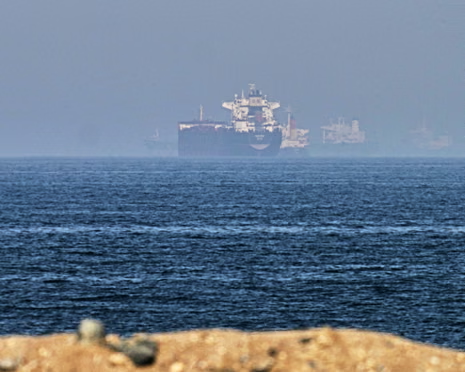
President Donald Trump announced today that the United States is pausing "Project Freedom," the maritime operation launched earlier this week to escort commercial vessels through the Strait of Hormuz. The President attributed the suspension to "great progress" in ongoing negotiations with Tehran.
The initiative, which aimed to secure the vital waterway and stabilize global oil shipments, was halted just days after its inception. White House officials indicated that the pause is intended to provide space for a potential diplomatic breakthrough.
Conflicting Narratives
The announcement has drawn starkly different interpretations from Washington and Tehran:
The U.S. Position: The administration maintains that the pause is a strategic move facilitated by a shift in Iran’s diplomatic stance.
The Iranian Response: Iranian state media characterized the suspension as a "retreat," framing it as a consequence of U.S. inability to successfully reopen the waterway against regional resistance.
Transition to Post-Conflict Phase
The suspension of maritime escorts follows a broader de-escalation of military activity in the region. Earlier today, Secretary of State Marco Rubio declared that the "offensive stage" of the conflict with Iran has concluded.
According to Rubio, the primary objectives of Operation Epic Fury—the kinetic phase of the U.S. military campaign—have been achieved, signaling a pivot from active hostilities toward stabilization and diplomatic engagement.
Analysis of Regional Impact
The Strait of Hormuz remains the world's most critical chokepoint for oil transit. While the pause in "Project Freedom" suggests a cooling of immediate tensions, analysts suggest that Iran is likely to frame the development as a strategic victory to its domestic and regional audiences.
The international shipping community remains on high alert as it awaits further clarity on whether a formal deal will be reached to ensure the long-term security of the waterway.