


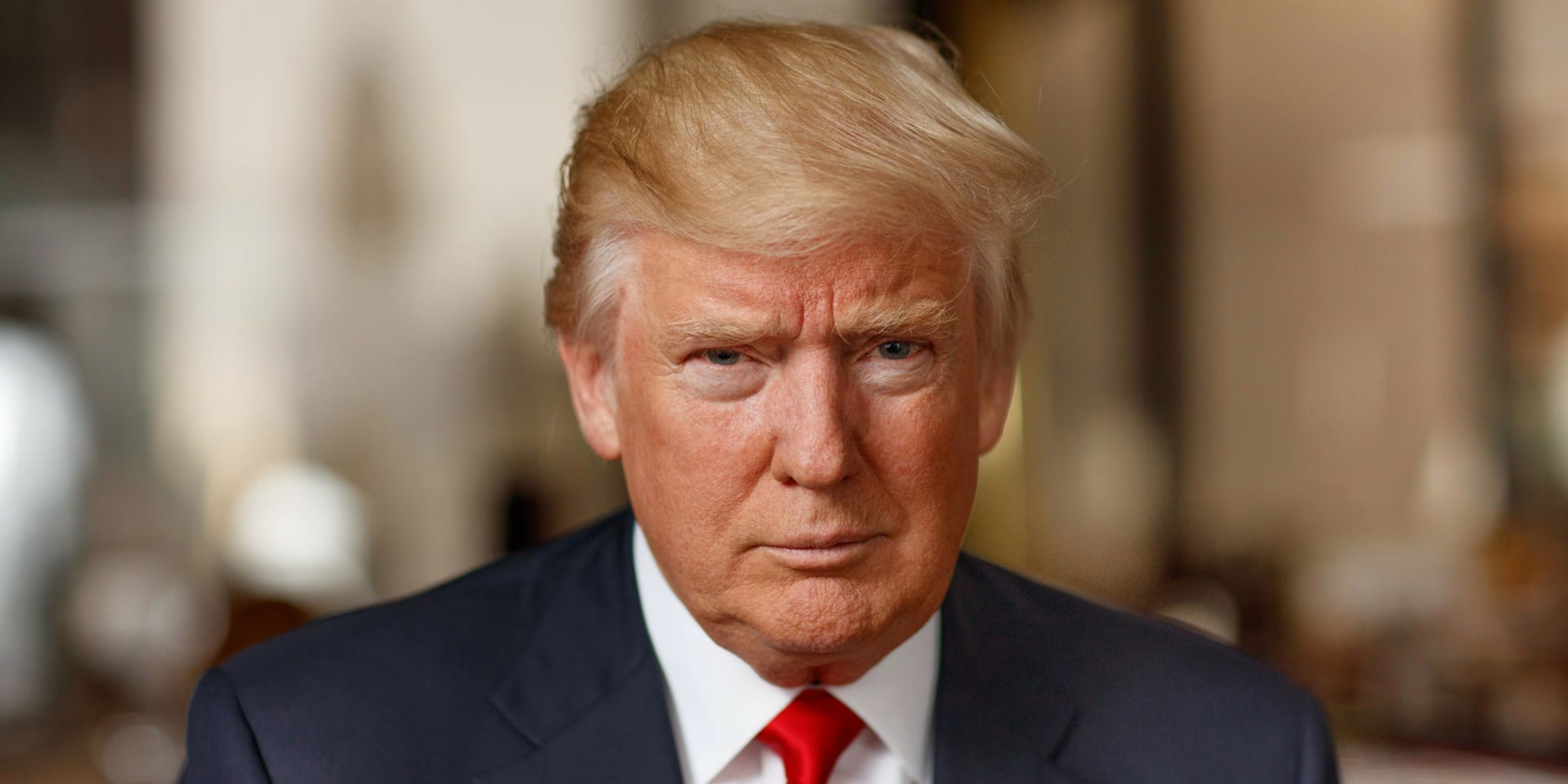
US President Donald Trump announced he is pausing a military strike on Iran previously scheduled for Tuesday, citing requests from Gulf Arab leaders and the emergence of "serious negotiations."
In a post on Truth Social, President Trump stated that the leaders of Qatar, Saudi Arabia, and the United Arab Emirates requested the delay. He indicated that Washington had received assurances that a "very acceptable" agreement could be reached, emphasizing his administration's red line: "NO NUCLEAR WEAPONS FOR IRAN!" However, the President maintained a conditional posture, warning that the US military remains prepared to launch a "full, large-scale assault" at a moment’s notice should discussions fail.
In response, a senior Iranian military commander cautioned the United States against repeating "strategic mistakes and miscalculations."
Domestic Pressures and Public Opinion
The diplomatic pause arrives amid declining domestic support for the conflict and broader political challenges for the administration ahead of the upcoming midterm elections.
According to a New York Times/Siena poll published Monday:
-
64% of voters believe the decision to go to war with Iran was incorrect.
-
37% of voters approve of President Trump’s overall job performance.
The data highlights growing public frustration over the conflict, alongside ongoing voter concerns regarding the economy and immigration.
Speaking to reporters, President Trump characterized the latest diplomatic track as a "very positive development," though he remained cautious given previous stalled negotiations. "If we can do that without bombing the hell out of them, I would be very happy," he added.
Regional Security Concerns and Economic Impact
The conflict escalated on February 28 when joint US and Israeli forces launched massive airstrikes against Iranian targets, prompting Tehran to retaliate with drone and missile strikes against Israel and US assets across the Gulf region.
A primary factor driving the mediation efforts by Gulf states is the threat of further Iranian retaliation. Tehran retains a substantial arsenal of missiles and unmanned aerial vehicles (UAVs) capable of targeting critical infrastructure in neighboring countries, including:
-
Commercial airports
-
Petrochemical facilities
-
Desalination plants vital for regional drinking water
While an April ceasefire has largely held despite sporadic skirmishes, Iran maintains control over the Strait of Hormuz. The effective closure of the waterway—which handles approximately 20% of global oil and liquefied natural gas (LNG) transit—has driven global oil prices sharply higher. In response, the US has maintained a naval blockade of Iranian ports to enforce economic leverage.
Diplomatic Positioning and Core Demands
Negotiations are currently being conducted through Pakistani mediators. While Iranian state media previously reported that Washington had not offered sufficient concessions, Iran's Foreign Ministry spokesperson, Esmail Baghaei, defended Tehran's proposals as "responsible" and "generous."
According to Iranian state media, Tehran's core demands include:
-
An immediate cessation of hostilities across all fronts, including Israeli operations against Hezbollah in Lebanon.
-
A complete lift of the US naval blockade on Iranian ports.
-
Formally guaranteed protections against future military strikes.
-
Financial compensation for war damages and explicit recognition of Iranian sovereignty over the Strait of Hormuz.
Conversely, US conditions reportedly demand that Iran restrict its operations to a single nuclear site and transfer its stockpile of highly enriched uranium to US custody. However, President Trump signaled a potential shift in the US position on Friday, suggesting he might accept a 20-year suspension of Iran's nuclear program rather than demanding an immediate, permanent termination.
While the US and its European allies maintain that Iran's enrichment activities are aimed at developing nuclear weapons, Tehran continues to assert that its nuclear program is exclusively intended for peaceful purposes.