


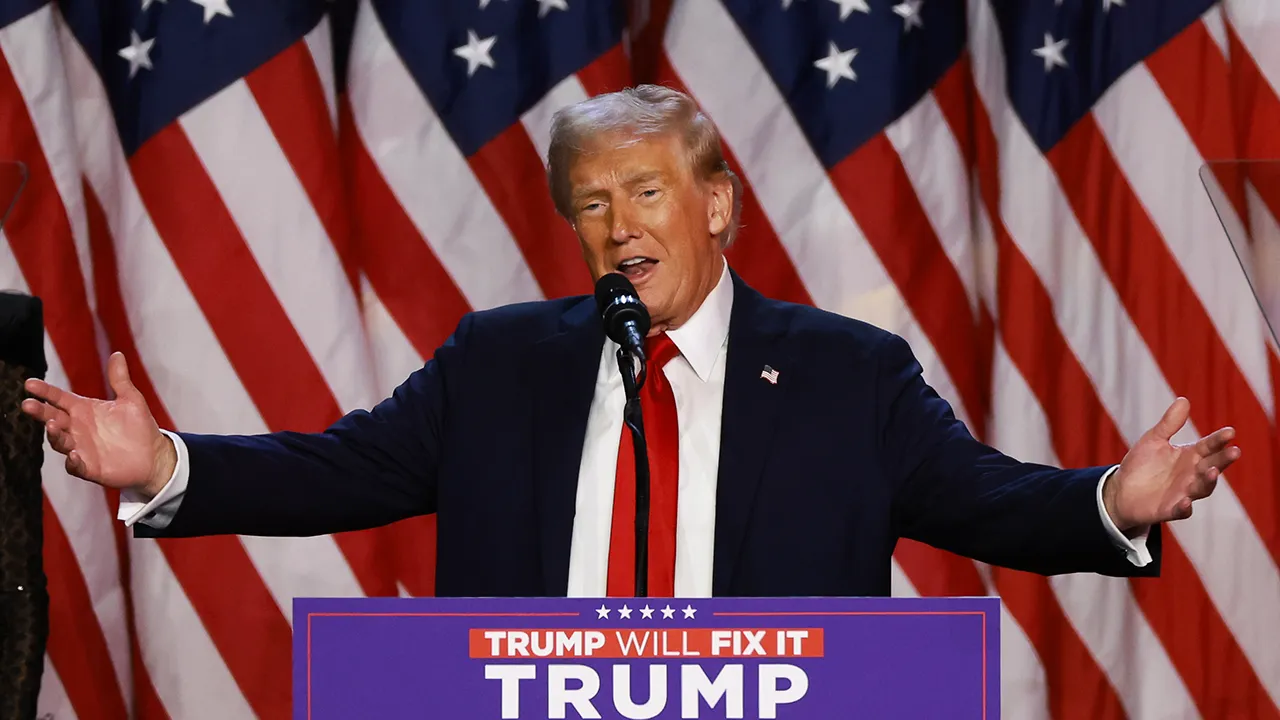
President Donald Trump informed Congress on Friday that U.S. hostilities with Iran have "terminated," arguing that an ongoing ceasefire has effectively paused the statutory deadline for seeking formal legislative approval for the conflict.
The notification comes on the 60th day since the administration formally alerted lawmakers of military action against Tehran. Under the War Powers Resolution of 1973, a president must secure congressional authorization within 60 days of initiating combat or begin the withdrawal of forces.
The Administration’s Legal Stance
In a letter addressed to congressional leadership, President Trump maintained that the ceasefire reached last month renders the 60-day "clock" moot.
-
Status of Conflict: The President noted there has been no exchange of fire between U.S. and Iranian forces since April 7, 2026.
-
Termination Argument: "The hostilities that began on February 28, 2026, have terminated," Trump wrote, suggesting that the pause in active combat fulfills his legal obligations.
-
Constitutional Challenge: Speaking to reporters, the President dismissed the necessity of seeking authorization, labeling the War Powers Resolution "totally unconstitutional" and noting that "no other country has ever done it."
Defense Secretary Pete Hegseth echoed this sentiment during a congressional hearing on Thursday, testifying that the cessation of active strikes paused the statutory countdown.
Diplomatic Uncertainty and Economic Pressure
While a proposal from Tehran was reportedly transmitted via Pakistani intermediaries on Friday, the President expressed skepticism regarding the current state of negotiations.
"They’re not coming through with the kind of deal that we have to have," Trump stated, adding that he would not "leave early" only to see the conflict resurface in the future.
The President attributed the slow pace of talks to "confusion" within the Iranian leadership following the deaths of several high-ranking military officials during the initial U.S. and Israeli strikes.
Meanwhile, global economic pressure continues to mount:
-
Maritime Restrictions: The U.S. Treasury issued a stern warning that any entity paying "tolls" to Iran for passage through the Strait of Hormuz risks violating U.S. sanctions.
-
Supply Chain Impact: The vital shipping channel remains effectively closed, disrupting global trade and energy markets.
Congressional and Legal Pushback
The administration's interpretation of the law has met sharp resistance from constitutional experts and opposition lawmakers. Senator Tim Kaine (D-VA) challenged the Secretary of Defense’s testimony, stating, "I do not believe the statute would support [a pause]."
Legal scholars, including Professor Heather Brandon-Smith of Georgetown University Law Center, argue that a temporary ceasefire does not equate to a permanent end to hostilities. "A ceasefire is not a permanent end to the conflict," Brandon-Smith noted, suggesting that only a formal peace or a full withdrawal would satisfy the 1973 statute.
Conflict Background
The current crisis was ignited by expansive U.S. and Israeli strikes on Iranian infrastructure, which resulted in the death of Iran’s Supreme Leader. Iran retaliated with strikes against Israel and U.S.-allied Gulf states. The escalation followed years of tension regarding Iran’s nuclear program, which Western powers claim is intended for weapons development—a charge Tehran denies.
As the 60-day window closes, the burden now shifts to Congress to determine whether to force a vote on the authorization of military force or challenge the President’s interpretation in federal court.