


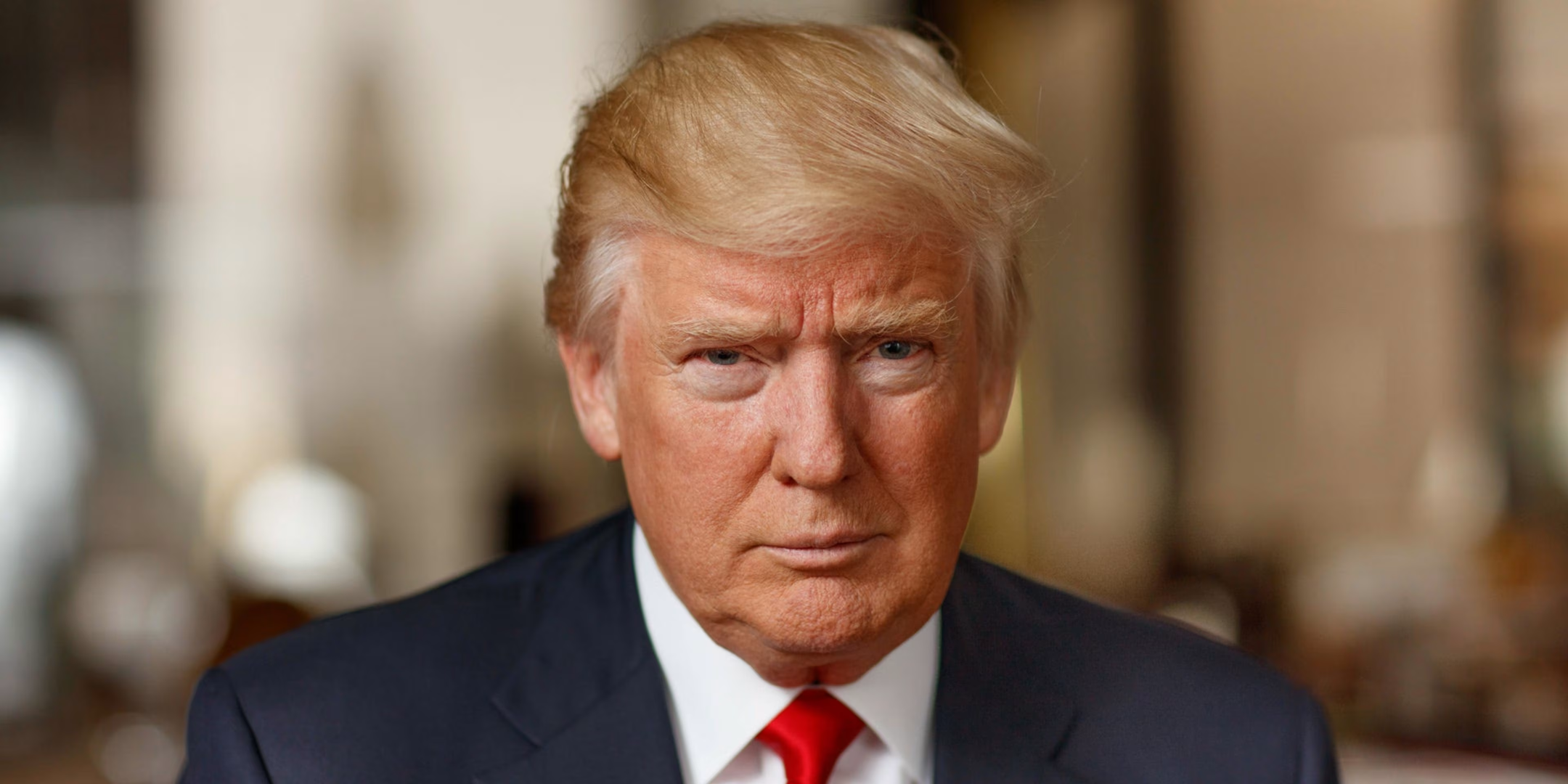
WASHINGTON: U.S. President Donald Trump announced Saturday that a comprehensive peace agreement with Iran has been "largely negotiated," with final details expected to be disclosed in the near future.
According to President Trump, the proposed framework includes provisions to reopen the strategically vital Strait of Hormuz. However, specific mechanisms for the reopening have not yet been released.
The announcement follows a period of intense diplomatic engagement since a ceasefire took effect in early April. The truce succeeded a brief but severe escalation that began on February 28, when U.S. and Israeli forces launched wide-ranging airstrikes against Iran, prompting retaliatory Iranian strikes across Israel and U.S.-allied Gulf states.
Diplomatic Overtones and Regional Consultations
President Trump indicated significant multilateral momentum, noting on social media that he had conducted a "very good call" regarding a "Memorandum of Understanding pertaining to PEACE" with leaders from:
-
Saudi Arabia
-
The United Arab Emirates
-
Qatar
-
Other regional stakeholders
He further confirmed a productive call on Saturday with Israeli Prime Minister Benjamin Netanyahu. While technical details remain sparse, the U.S. executive reiterated that any final accord would "absolutely" prevent Iran from acquiring a nuclear weapon.
Pakistan has played a key intermediary role in facilitating the dialogue. Following a direct call with President Trump, Pakistani Prime Minister Shehbaz Sharif commended the diplomatic efforts, describing the exchange as "very useful and productive" and expressing optimism that Islamabad would host the next round of negotiations shortly.
Iranian Caution Amid Framework Consensus
In Tehran, Iranian Foreign Ministry Spokesman Esmail Baghaei struck a more measured tone. While acknowledging that U.S. and Iranian positions had converged over the past week, Baghaei cautioned that critical disagreements remain unresolved. He also criticized Washington for what he characterized as "contradictory statements."
Speaking to state television, Baghaei confirmed that Iran aims to establish a 14-point framework agreement. He noted that Tehran is currently finalizing the memorandum, setting a timeline of 30 to 60 days for subsequent talks to yield a definitive contract.
Maritime Standoff and Economic Pressure
The breakthrough follows weeks of severe economic and maritime friction centered on the Strait of Hormuz—a crucial conduit for approximately 20% of global oil and natural gas transit. Iran had previously leveraged its geographical position to halt commercial shipping, declaring that all transit required authorization from the newly asserted "Persian Gulf Strait Authority." The U.S. and its Gulf allies rejected these claims, instructing commercial vessels to ignore Iranian directives.
In response to the Iranian maritime restrictions, the U.S. instituted a naval blockade of Iranian ports on April 13. On Saturday, U.S. Central Command (CENTCOM) Commander Admiral Brad Cooper reported that the enforcement had been "highly effective," noting that forces had:
-
Redirected 100 vessels
-
Disabled 4 vessels
-
Permitted the passage of 26 humanitarian aid ships
Admiral Cooper emphasized that the operations had successfully eliminated inbound and outbound commercial trade from Iranian ports, compounding economic pressure on Tehran.
Sudden Shift in Momentum
The prospect of a diplomatic breakthrough marks a sharp reversal from earlier in the week. Diplomatic prospects appeared vulnerable last week when President Trump declared the truce to be on "massive life support" after rejecting Tehran’s initial terms as "totally unacceptable."
Compounding the tension, anonymous U.S. officials briefed media outlets on Friday that the administration was actively preparing options for a fresh round of military strikes. The gravity of the weekend negotiations was underscored by President Trump’s decision to alter his personal schedule, stating he would remain in Washington to oversee the transition from military posturing to formalized diplomacy.