


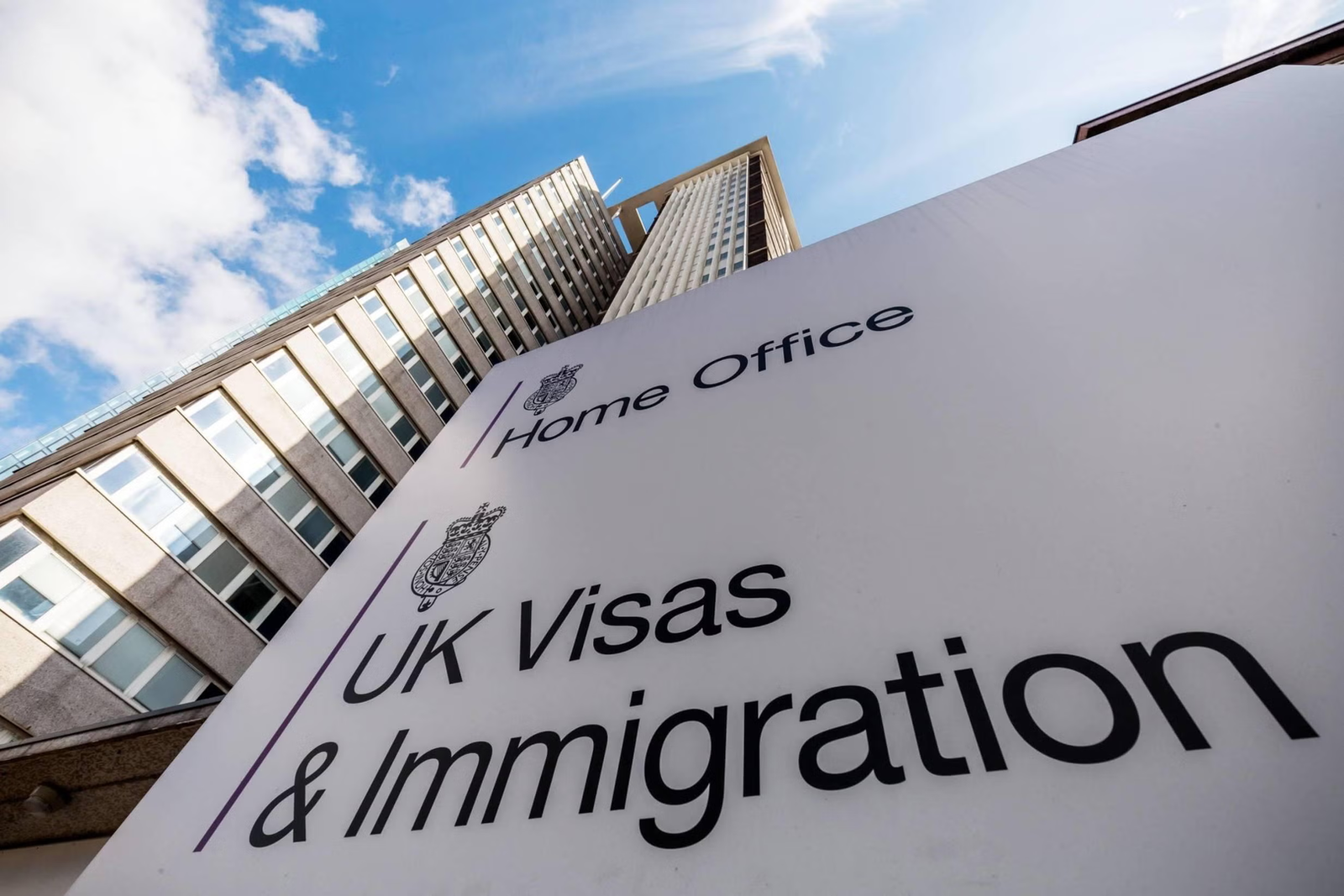
The UK government has introduced a comprehensive restructuring of its immigration framework through Statement of Changes HC 259, laid before Parliament on July 9, 2026. The 38-page document implements sweeping amendments across 42 sections of the Immigration Rules, imposing tighter visa compliance measures, expanding deportation parameters, and altering procedural guidelines for work, study, and family migration.
Phased Implementation Schedule
The legislative changes follow a staggered timeline to transition into law:
-
July 30, 2026: Amendments specifically governing Appendix EU and Appendix EU (Family Permit) take legal effect.
-
August 3, 2026: All remaining amendments come into force across the wider immigration framework.
-
Safe Harbor Provision: A transitional buffer ensures that any application for entry clearance, Electronic Travel Authorisation (ETA), permission to enter, permission to stay, or administrative review submitted before August 3, 2026, will be evaluated under the previous rules.
Core Structural Revisions
1. Standardization of Overstaying and Immigration Bail Rules
In an effort to eliminate policy discrepancies, the Home Office has replaced localized compliance language across 30 separate visa categories with unified, strict criteria. Under the updated regulations, applicants seeking permission to stay must not be in breach of immigration laws or on immigration bail, unless they qualify for specific, narrow overstayer exceptions under Part Suitability.
This standardized framework applies to almost all major immigration pathways:
-
Employment and Talent: Skilled Worker, Global Business Mobility, Scale-Up, Start-Up, Innovator Founder, Representative of an Overseas Business, T2 Minister of Religion, Government Authorised Exchange, and Global Talent.
-
Education and Short-Term Stays: Student, Child Student, Parent of a Child Student, Graduate, Visitor, and Youth Mobility Scheme.
-
Settlement and Family: Long Residence, Private Life, Adult Dependent Relative, and Settlement Family Life.
Route-Specific Exceptions:
-
Hong Kong BN(O) Route (Appendix HK): Immigration bail will only be disregarded if the status was granted following an asylum claim within the UK.
-
Appendix ECAA: The new enforcement text targets conduct occurring strictly after 11:00 PM on December 31, 2020.
2. Expansion of Criminality and Deportation Thresholds
The criteria driving the public interest mandate for deportation have been significantly broadened under Part 13. For foreign nationals convicted on or after March 22, 2026, a suspended prison sentence of 12 months or more will carry the same legal weight as an immediate custodial sentence. Consequently, deportation will be required unless strict human rights or private and family life exceptions are legally established.
Furthermore, Appendix ETA and Appendix Child Student have been updated to include suspended sentences alongside custodial sentences as grounds for refusing travel authorization or entry clearance.
3. Accelerated Asylum Procedures
Amendments to Part 11 (Paragraph 339NA) grant the Secretary of State the authority to bypass the personal interview phase for asylum applicants if the individual is an EEA or Swiss national, or if the initial paperwork demonstrates the claim is clearly unfounded. This adjustment explicitly allows the Home Office to issue either a positive or a negative final decision without conducting an in-person interview.
4. Adjustments to Business, Corporate, and Family Sectors
-
Skilled Worker Transition Safeguard: Revisions to Paragraphs SW 4.2 and SW 6.1 alter how upcoming 2027 and 2028 salary thresholds are assessed. Eligibility will now depend on whether the Certificate of Sponsorship (CoS) was issued prior to the deadline, rather than the date the visa application was submitted.
-
Scale-Up Route Protections: Revisions to Appendix Scale-Up ensure that neonatal leave is factored into statutory leave allowances, preventing absences related to neonatal care from disrupting employment continuity metrics.
-
Child Care and Diplomatic Updates: Appendix FM introduces clauses requiring child care and accommodation arrangements to strictly comply with UK statutory law. Separately, Appendix V grants an administrative visa exemption to Indian nationals holding valid diplomatic passports.