


Tensions between the United States and Iran escalated sharply after American forces launched drone strikes on two rocket launchers located on Larak Island in the Strait of Hormuz. The bombardment, which US Central Command described as a precise countermeasure against an imminent threat, resulted in two fatalities and two injuries, according to the Islamic Revolutionary Guard Corps.
In retaliation, Iran launched ballistic missiles toward the King Hussein and al-Azraq military bases in Jordan, while the United Arab Emirates faced drone incursions targeting a local air base. Jordanian defense forces successfully intercepted eight incoming missiles. Iranian officials defended the retaliatory strikes as a legitimate measure of self-defense, whereas President Masoud Pezeshkian emphasized that Tehran seeks to avoid a broader conflict while remaining prepared to counter foreign aggression.
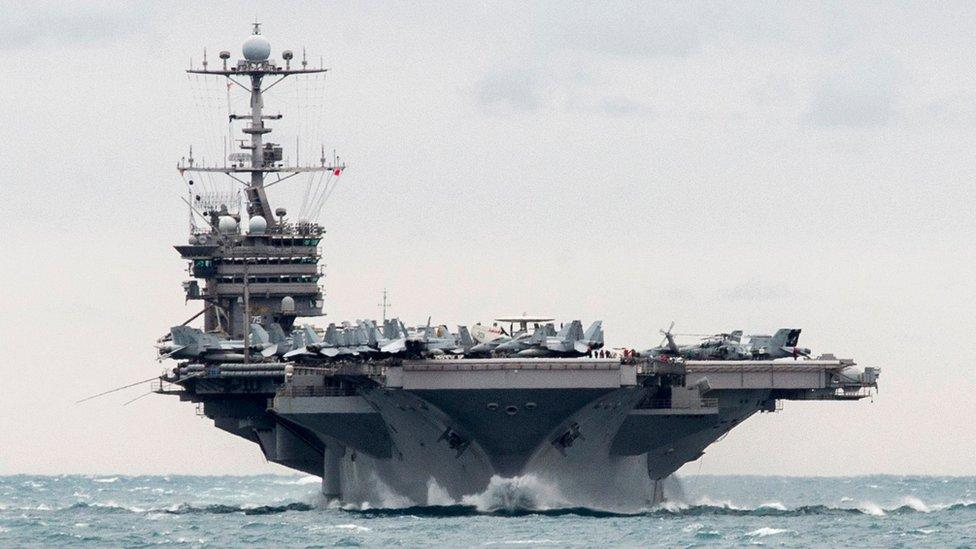
The military exchange follows heightened friction over control of the Strait of Hormuz, a critical global trade route. The waterway has seen intense disruption since a broader conflict began in late February, characterized by a sustained US naval blockade that has intercepted dozens of vessels and severely restricted Iranian oil exports. In response to the blockade, Tehran has attempted to enforce tolls and inspections on passing tanker traffic.
Digital tensions accompanied the physical clashes as US President Donald Trump shared simulated media content depicting explosions at key Iranian energy facilities, including the strategic Kharg Island terminal. This followed recent statements warning against any renewed attempts to mine the shipping channel. Meanwhile, Washington has intensified economic pressure through a new round of sweeping sanctions designed to further isolate Iran's financial networks and penalize international allies.