


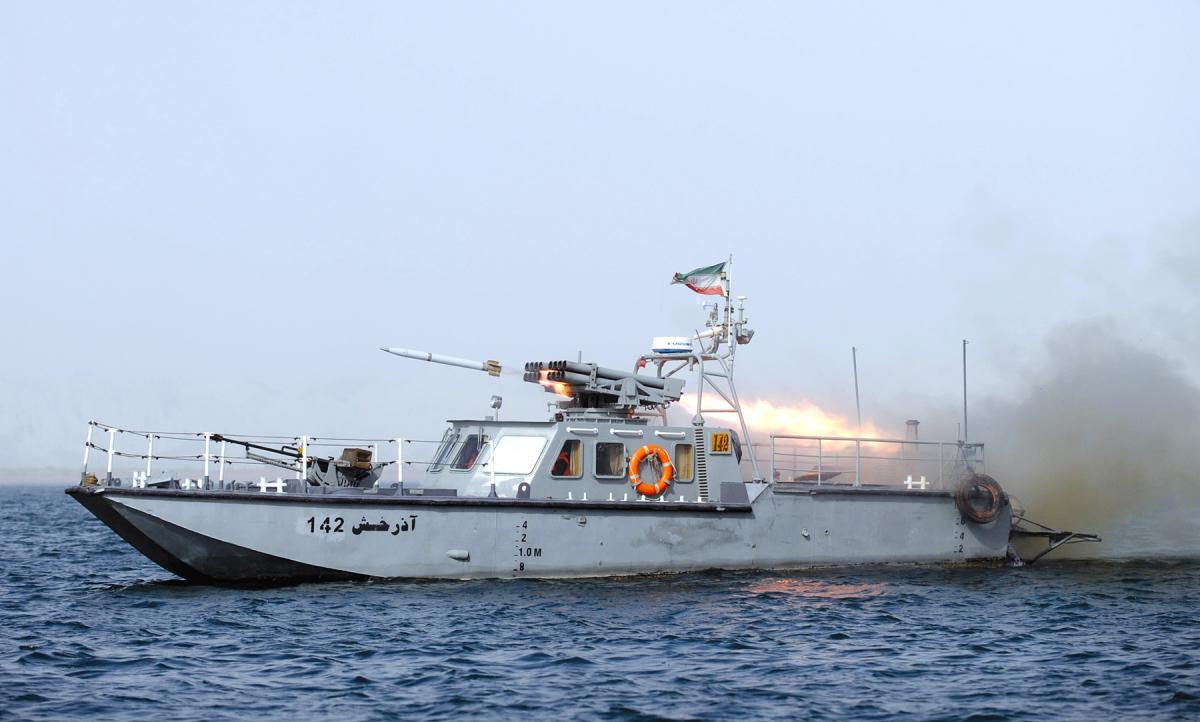
Military activity in the Strait of Hormuz intensified on Monday as the United States began a mission to escort stranded commercial vessels through the blockaded waterway. President Donald Trump confirmed that U.S. forces engaged and destroyed seven Iranian "fast boats" during the operation, which Washington has designated as Project Freedom.
The maneuver follows months of maritime paralysis after the strait was effectively closed in February following U.S. and Israeli airstrikes on Iran. While a ceasefire was reached in April to halt drone and missile attacks on neighboring Gulf states, the shipping lane—responsible for the transit of 20% of the world’s oil and liquefied natural gas—has remained largely impassable.
Conflicting Reports on Military Engagements
President Trump stated that U.S. helicopters neutralized the Iranian vessels, asserting that such craft represent the remnants of Iran’s naval capabilities in the area. However, Iranian state media, citing military sources, disputed this account, claiming instead that U.S. strikes hit two small cargo vessels, resulting in five civilian fatalities.
Further disputes emerged regarding the day's naval movements:
The U.S. Position: Officials reported that Navy destroyers successfully escorted U.S.-flagged merchant ships through the channel.
The Iranian Position: Tehran dismissed these claims as "entirely false" and alleged that Iranian forces fired warning shots at a U.S. warship, an event the U.S. military denied.
Successful Transit and New Attacks
The shipping conglomerate Maersk confirmed that the Alliance Fairfax, a U.S.-flagged vessel stranded since February, successfully exited the Gulf under military protection. The company reported the transit was completed without incident and all crew members are safe.
Despite this successful extraction, violence flared elsewhere in the region:
UAE & South Korea: Both nations reported strikes on vessels within the channel. An Adnoc-affiliated tanker was hit, and South Korea reported an explosion on a ship anchored off the UAE coast.Port of Fujairah: UAE authorities reported a large fire at the vital oil port of Fujairah following an attack. Air defenses reportedly intercepted 12 ballistic missiles and several drones, though three Indian nationals were injured in the strike.Oman: State media reported two injuries after a residential building was struck in the coastal town of Bukha.
Global Economic and Diplomatic Fallout
The attacks triggered an immediate reaction in global energy markets, with Brent crude surging over 5% to surpass $115 per barrel. Fujairah is a critical strategic point, as it allows for limited oil exports via pipeline that bypass the Strait of Hormuz.
The international community has issued a wave of condemnations:
-
France & UK: President Emmanuel Macron labeled the strikes "unjustified," while Prime Minister Sir Keir Starmer reaffirmed Britain's commitment to defending Gulf partners.
-
Germany: Chancellor Friedrich Merz demanded an immediate end to the blockade, urging Tehran to return to negotiations and stop holding regional stability "hostage."
-
Iran: Foreign Minister Abbas Araghchi maintained that "Project Freedom" would lead to a "deadlock," insisting that the crisis requires a political rather than military solution.
As of Monday, an estimated 2,000 ships and 20,000 seafarers remain trapped in the region. While the U.S. maintains its right to use force to ensure "humanitarian" passage, the situation remains volatile, with both sides trade accusations of aggression in one of the world's most vital maritime chokepoints.