


WITZERLAND: The United States and Iran have established a 60-day roadmap toward a final peace agreement following the conclusion of their initial round of diplomatic negotiations in Switzerland. Facilitated by mediators from Qatar and Pakistan, the discussions aimed to conclude the recent conflict and address critical regional security and economic issues.
As part of the initial progress, the US Treasury Department issued a comprehensive 60-day emergency license temporarily lifting major economic sanctions against Tehran. Valid until August 21, the waiver dismantles long-standing pillars of the US embargo, enabling Iran to engage in the production, sale, and delivery of crude oil and petrochemicals utilizing US dollars. The relief also permits direct Iranian oil imports into the United States and restores access to international banking transactions, insurance, and shipping networks.
Disputes Over Nuclear Inspections
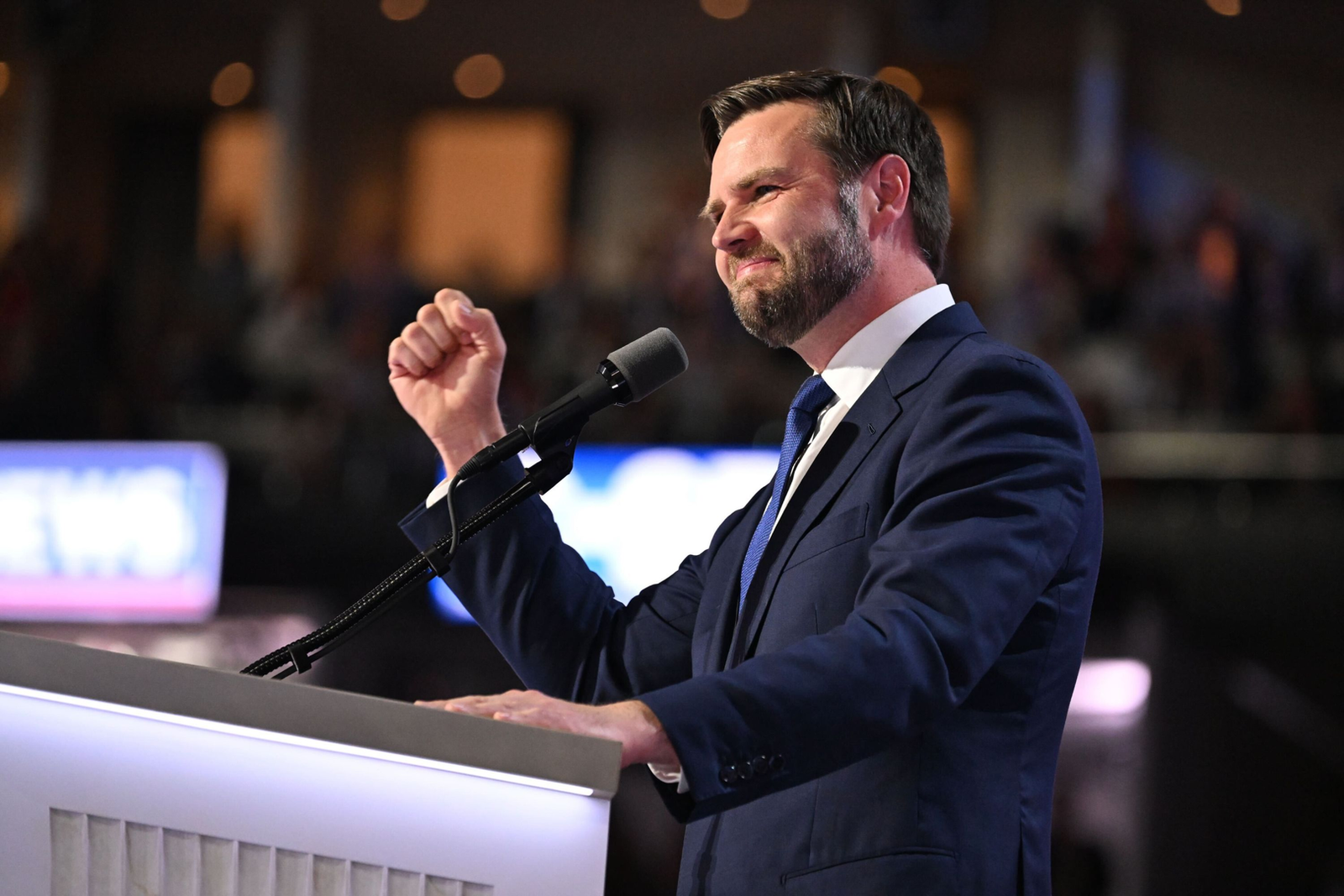
Despite the economic breakthroughs, friction remains regarding the return of international nuclear monitors. US officials, including Vice President JD Vance, indicated that conversations with the International Atomic Energy Agency regarding the redeployment of inspectors were imminent. Treasury Secretary Scott Bessent further stated that the sanctions relief was granted in exchange for Iran reopening the Strait of Hormuz and permitting the return of UN inspectors. Furthermore, President Donald Trump indicated on social media that major weapons inspections would be reinstated.
However, the Iranian foreign ministry quickly countered those assertions. Spokesman Esmail Baqai stated to state media that Tehran has entered into no new obligations concerning nuclear monitoring, clarifying that any future interaction with the IAEA would remain strictly subject to existing frameworks established by Iran's parliament and the Supreme National Security Council.
The IAEA has not yet issued a statement regarding the matter. Access had been suspended by Tehran last summer following military strikes on various sites, leading to the subsequent withdrawal of all remaining UN inspectors.
Regional Security and Maritime Agreements
Beyond economic and nuclear issues, the negotiations focused heavily on maritime safety and regional stability.
-
The Strait of Hormuz: Mediators confirmed the creation of a dedicated communication channel designed to prevent maritime incidents and guarantee the safe transit of commercial shipping through the vital corridor.
-
Lebanese Ceasefire: The participating parties agreed to establish a trilateral de-confliction cell involving the United States, Iran, and Lebanon. Facilitated by Qatari and Pakistani intermediaries, the cell intends to permanently halt military operations in Lebanon, where a fragile ceasefire between Israel and Hezbollah has recently observed a reduction in hostilities. Iranian Foreign Minister Seyed Abbas Araghchi noted that the implementation of peace in Lebanon would serve as the first genuine test of the diplomatic roadmap.
Diplomatic Tensions and Next Steps
The negotiations were marked by rhetorical volatility. Vice President Vance acknowledged that the Iranian delegation threatened to exit the summit following social media warnings from President Trump regarding potential future military action. Vance noted that he intervened to reassure Iranian negotiators and sustain the talks.
President Trump later reiterated his stance from the Oval Office, warning that failure by Iran to adhere to the negotiated terms would result in unilateral US action.
While the primary Iranian negotiating team departed Switzerland on Monday, technical delegations from both nations are scheduled to continue discussions to finalize the details of the roadmap over the next two months.