


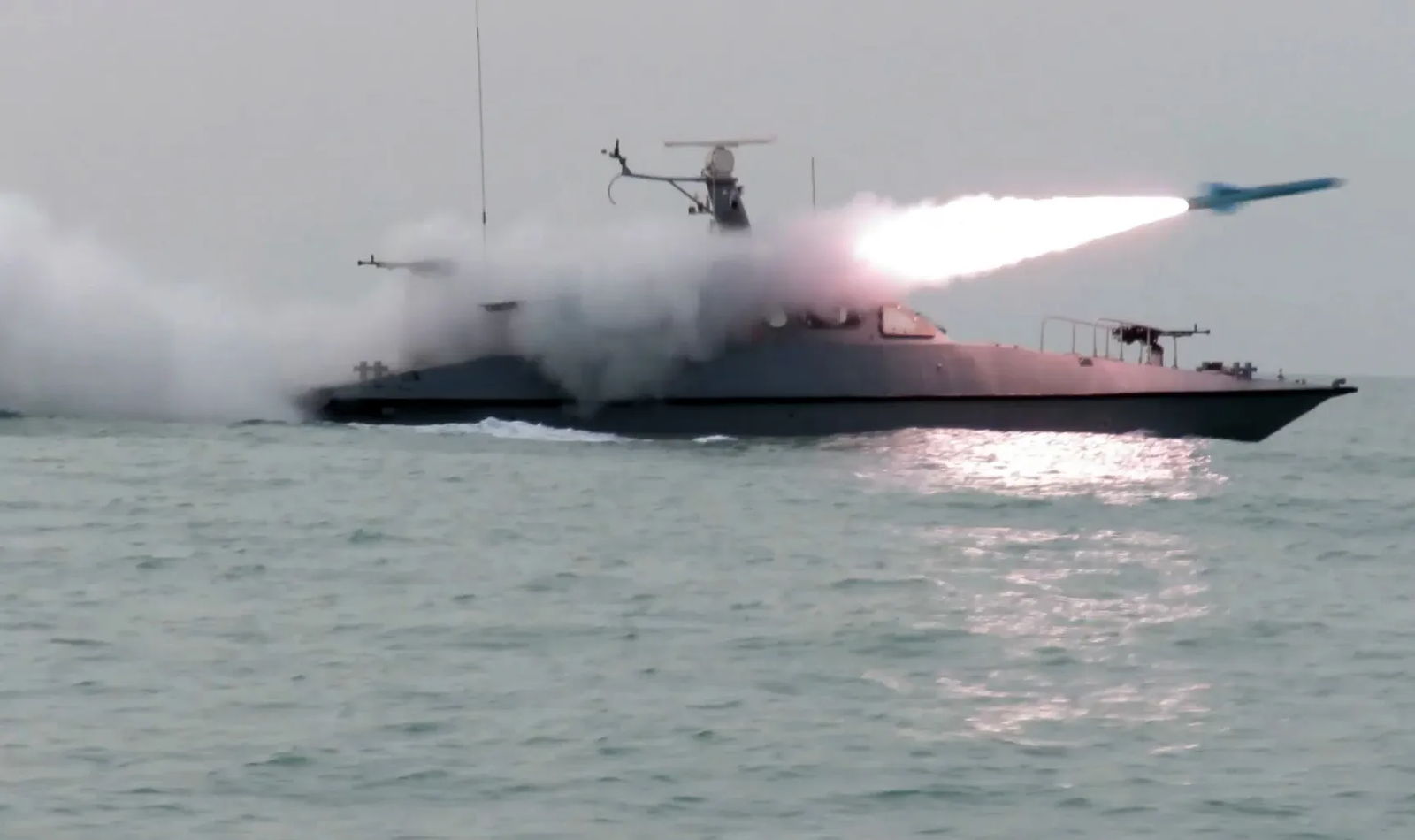
Military tensions between the United States and Iran have escalated significantly following a series of retaliatory airstrikes and counterattacks in the Persian Gulf region. The United States military recently launched a new round of targeted strikes against numerous Iranian military assets, focusing on air defense systems and logistics infrastructure along the southern coastline. This operation was initiated in response to recent attacks on commercial shipping vessels navigating the Strait of Hormuz, a critical international waterway.
The U.S. administration indicated that previous diplomatic agreements, including a recently signed ceasefire memorandum of understanding, are no longer active due to the renewed hostilities. Officials stated that the primary objective of the current military campaign is to diminish Iran's capacity to disrupt commercial maritime transit and ensure the safety of civilian crews.
Regional Disruptions and Counter-Responses
The impact of the exchange has spread across the broader Gulf region, triggering security alerts and defensive measures among neighboring nations:
-
Regional Military Activity: Missiles and drones have been intercepted near Kuwait, explosions were reported in Bahrain, and Qatar has enacted heightened security protocols.
-
Targeted Infrastructure: Iranian state media reported explosions and infrastructure damage in major southern port cities, including Bandar Abbas, Sirik, Chabahar, and disputed island territories. Power outages and damage to military installations were also documented.
-
Iranian Strategic Posture: Iranian officials have condemned the strikes, asserting that the Strait of Hormuz will remain under strict Iranian operational control. Regional leadership maintained that subsequent Western military actions would be met with direct retaliation.
Diplomatic Breakdown
The current hostilities mark a sharp departure from the 14-point memorandum of understanding established on June 17, which had intended to secure a 60-day ceasefire, guarantee safe passage for commercial ships, and initiate negotiations regarding the lifting of economic sanctions. Despite the agreement's timeframe not being fully exhausted, subsequent maritime incidents and the ensuing military responses have effectively halted diplomatic talks, with both sides indicating a transition from negotiation to active deterrence.