


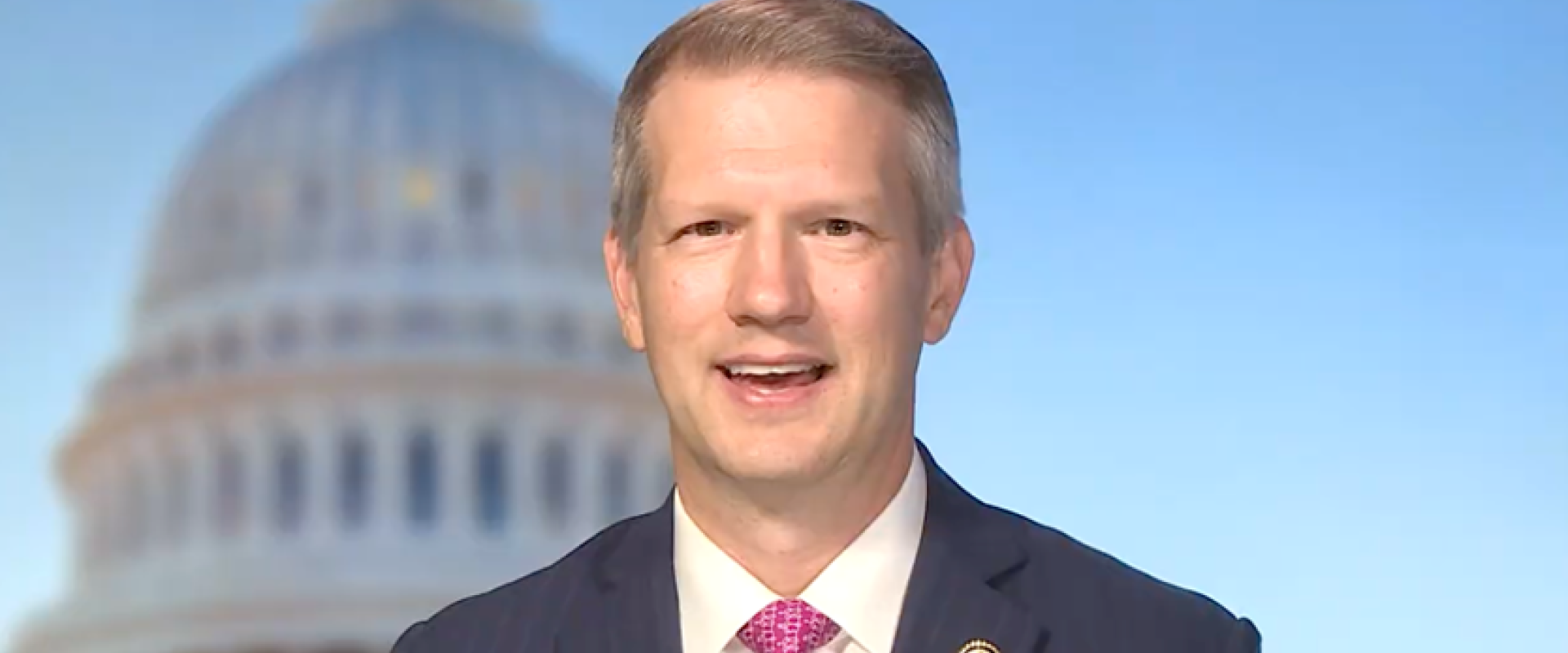
U.S. Representative Riley Moore (R-WV) has called for a rigorous reassessment of security assistance to Nigeria, alleging that President Bola Tinubu’s administration has failed to satisfy the statutory conditions tied to American funding.
In a formal communication addressed to Secretary of State Marco Rubio, Moore emphasized that future allocations for Fiscal Years 2026 and 2027 should reflect Nigeria's perceived inability to meet benchmarks set by the House Appropriations Committee.
Key Allegations and Policy Implications
Representative Moore’s critique centers on the disconnect between substantial U.S. investment and the deteriorating security situation on the ground. The funding in question covers several critical pillars of bilateral cooperation:
-
Military Training and Equipment: Provision of hardware and tactical instruction.
-
Intelligence Cooperation: Sharing of strategic data to combat regional threats.
-
Counter-Terrorism Initiatives: Efforts aimed at neutralizing insurgency, banditry, and organized crime.
Under U.S. law, such assistance is frequently contingent upon "Leahy Law" compliance—prohibiting aid to foreign security force units that commit gross violations of human rights—as well as fiscal accountability and measurable progress in stabilizing conflict zones.
Concerns Over Religious Violence
The lawmaker’s latest remarks build on a previous stance taken in November 2025, where he accused the Nigerian Federal Government of failing to justify billions of dollars in military aid. Moore specifically highlighted the targeted killings of Christian communities, characterizing the violence as a failure of the state to protect religious freedom.
"If we do not address this and some terrorists take hold in Nigeria, we would have to address it one way or the other," Moore stated, advocating for a cooperative but conditional approach to future engagements.
The Nigerian Response
The Tinubu administration and the Nigerian Defence Headquarters have consistently dismissed allegations of targeted religious persecution. Government officials maintain that:
-
Generalized Insecurity: Violence impacts both Muslim and Christian populations and is driven by socio-economic factors rather than purely sectarian motives.
-
Sovereignty: Major General Samaila Uba, Director of Defence Information, clarified earlier this year that military cooperation—including the recent deployment of 100 U.S. personnel—does not infringe upon national sovereignty and remains a mutually beneficial arrangement.
Outlook for FY26 and FY27
As Congress begins deliberations for the upcoming budget cycles, Moore’s advocacy signals a shift toward heightened scrutiny. If the State Department adopts this harder line, Nigeria could face more stringent reporting requirements or potential reductions in hardware transfers should the administration fail to demonstrate significant improvements in human rights and internal security management.