


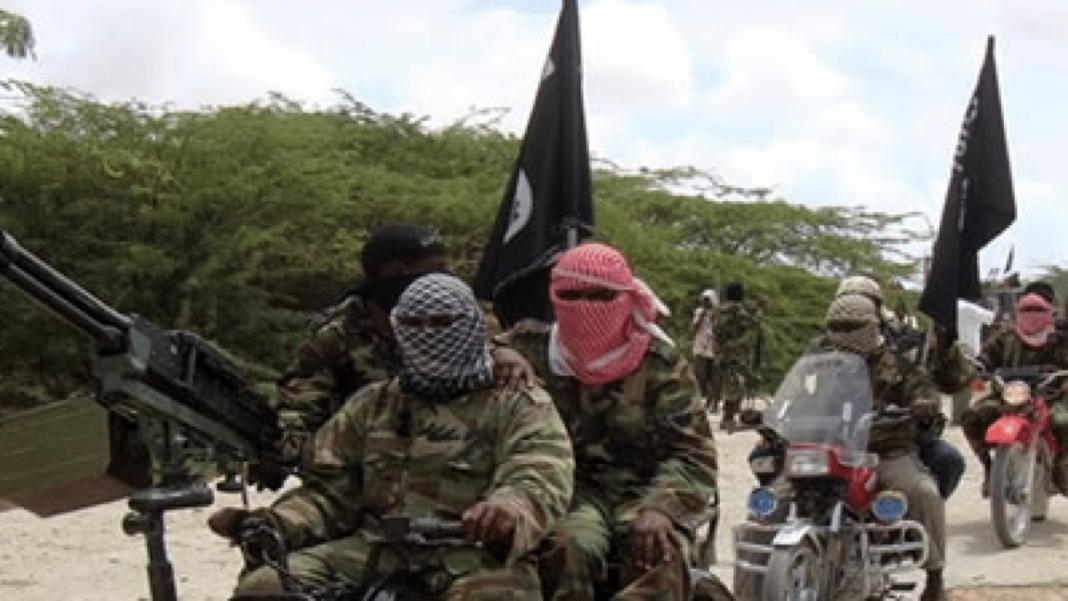
A deepening security crisis is unfolding across Nigeria as thousands of rural communities find themselves without formal police protection. A Saturday PUNCH investigation has revealed that persistent assaults by terrorists, bandits, and secessionist groups have forced the abandonment of police stations across at least seven states, leaving millions of citizens vulnerable to kidnapping and violent crime.
The investigation highlights a burgeoning "security vacuum" in Sokoto, Anambra, Niger, Kaduna, Plateau, Zamfara, Kwara, and Imo. In these regions, police facilities have been systematically destroyed, abandoned, or left critically understaffed, forcing residents to rely on a patchwork of vigilantes, hunters, and informal security structures for survival.
The "Ungoverned Spaces" of the North
In Zamfara State, arguably the epicenter of the crisis, reports indicate that over 1,000 communities lack any form of security presence. In Maru Local Government Area (LGA), residents of Bindin Village describe a "lawless" environment where bandits operate in broad daylight.
"Most residents usually sleep in the bush and return to their homes the following morning due to the absence of security personnel," said Samaila Musa, a community leader in Jangeme Village.
The psychological and operational toll on the police is evident. A senior officer, speaking on the condition of anonymity, admitted that personnel are "grossly overwhelmed" by criminals who often outnumber them and carry superior weaponry. This sentiment is underscored by the brutal 2023 and 2024 attacks on the Maru and Zurmi stations, which resulted in the deaths of several high-ranking officers and the complete destruction of facilities.
While the Zamfara State Police Command officially maintains that no stations have been "shut down," the reality for rural dwellers is a trek of several kilometers to reach the nearest functional outpost.
Insurgency and Attrition in the South-East
In Anambra State, the situation is driven by a different brand of volatility. Between 2021 and 2024, secessionist groups targeted police formations in eight LGAs. While urban centers like Awka and Onitsha have seen stations rebuilt, rural areas remain neglected.
In the community of Lilu (Ihiala LGA), residents have not seen a police officer in three years. To fill the void, the community funds the Agunechemba—a state-owned security outfit established in 2025—alongside local vigilantes.
Community leaders in Orumba North noted a disturbing trend: when disputes are reported in the cities, urban police often refer residents back to local vigilantes, citing a fear of entering rural "red zones."
A Systemic Collapse
The crisis extends across the Middle Belt and North-West:
-
Niger State: Terrorists have adopted a "scorched earth" strategy, specifically targeting police stations to cripple local resistance. In February 2026, the Agwara Police Station was leveled using explosives.
-
Plateau State: In Bassa and Jos North, communities remain without formal protection years after stations were burnt during communal unrest.
-
Kaduna State: In Kachia and Birnin Gwari LGAs, police presence vanished nearly three years ago. Residents must now travel 25 kilometers to find military assistance, often in areas with zero telecommunications network.
The Human Cost: Data of a Crisis
The scale of the attrition facing the Nigeria Police Force (NPF) is staggering. While a centralized database is lacking, media and intelligence reports paint a grim picture:
| Period | Reported Police Fatalities | Key Drivers |
| 2015 – 2021 | 497 | General crime, South-South violence |
| 2023 – 2024 | 229 | Banditory, Insurgency, Gunmen |
| 2025 – May 2026 | 45+ | Station raids, ambushes, jailbreak attempts |
Total Estimated Fatalities (6 years): Over 700 officers.
Infrastructure Loss: Estimated 60+ stations and outposts overrun or destroyed nationwide.
Expert Warning: The Risk of Informal Policing
Security analysts warn that the erosion of grassroots policing is a harbinger of long-term instability. Former Assistant Inspector-General of Police, Ambrose Jonathan, noted that the force is "overstretched" and suffers from a crippling lack of mobility and communication equipment.
Security expert Kabiru Adamu emphasized the danger of relying on vigilantes:
"Prolonged dependence on informal security systems could encourage abuses and further weaken trust in formal institutions. Once criminal groups dominate these spaces, rebuilding state authority becomes far more difficult."
As of May 2026, the Nigerian government faces an uphill battle: it must not only rebuild physical structures but also restore the morale of a force that feels hunted in the very communities it is meant to serve.