


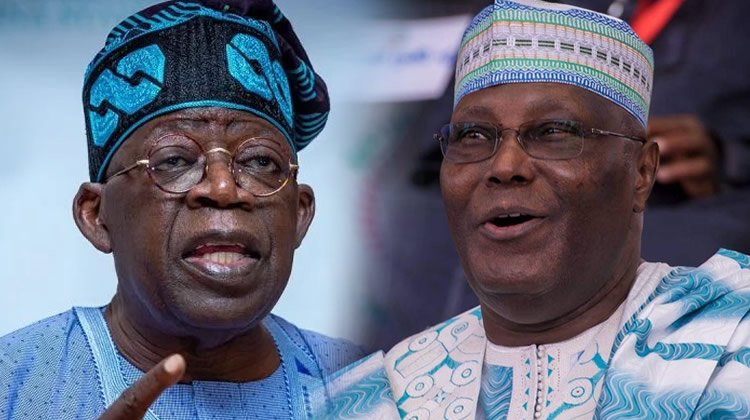
Former Vice President Atiku Abubakar has criticized President Bola Tinubu’s administration for its aggressive domestic borrowing strategy, questioning the necessity of accumulating further debt during a period of substantial international oil revenue.
Speaking through his Senior Special Assistant on Public Communication, Phrank Shaibu, the former vice president described the current economic management as opaque, contradictory, and lacking fiscal discipline. He pointed out that the federal government has raised approximately 5 trillion naira from the domestic bond market in the first half of the year, representing nearly 80 percent of the borrowing recorded over the same period in the previous year.
Questions Over Oil Revenue Windfalls
The critique highlights a stark contrast between rising government borrowing and high global energy prices. While the current fiscal budget benchmarked crude oil at $64.84 per barrel, Brent crude prices averaged around $92 per barrel over a multi-month period, with Nigerian crude commanding an additional premium.
According to financial calculations provided by the camp, the price differential generated an estimated additional revenue of $27.15 per barrel. Across daily production figures and the evaluated timeframe, this translated to an estimated windful of nearly 8 trillion naira. The administration was challenged to account for the utilization of these excess earnings, given that past administrations maintained structured frameworks like the Sovereign Wealth Fund to warehouse and report surplus commodity revenues.
Furthermore, the statement addressed the ongoing economic hardship experienced by citizens despite the removal of fuel subsidies and high oil earnings. Reference was made to international assessments indicating widespread challenges in accessing daily nutritional needs, alongside deteriorating public infrastructure despite assurances that subsidy savings would be redirected toward healthcare, education, and transportation networks.
Policy Evolution on the Power Sector
In a separate critique addressing the national electricity crisis, the former vice president claimed that the current administration has belatedly embraced a decentralised power generation model that he originally advocated over two decades ago.
He noted that recent statements from the Ministry of Power acknowledging the limitations of relying exclusively on large, centralized power infrastructure amount to a delayed recognition of structural reforms he championed during his tenure in office. He argued that the administration spent years increasing electricity tariffs and worsening supply deficits before acknowledging the necessity of a diversified and decentralized energy mix that incorporates solar, hydro, and gas resources.
Reflecting on past reforms, he recalled resigning from chairing a historic power sector committee due to fundamental disagreements over the concentration on a single energy source, maintaining that a diversified approach remains the viable solution for sustainable national development.