


United States lawmakers and a former Nigerian political official have strongly criticized President Bola Tinubu’s administration, accusing the Nigerian government of using high-priced public relations firms to mask ongoing religious violence and deflect international scrutiny regarding the country’s security crisis.
The backlash follows reports that Nigeria engaged DCI Group, a Washington-based public affairs and lobbying firm, through a $9 million contract signed last December. The contract, filed with the US Department of Justice by a Kaduna-based law firm acting on behalf of National Security Adviser Nuhu Ribadu, was initiated shortly after Nigeria was designated a 'country of particular concern' by the US government. Around the same period, an executive at Tantita Security Services separately retained Valcour Global Public Strategy to bolster bilateral relations.
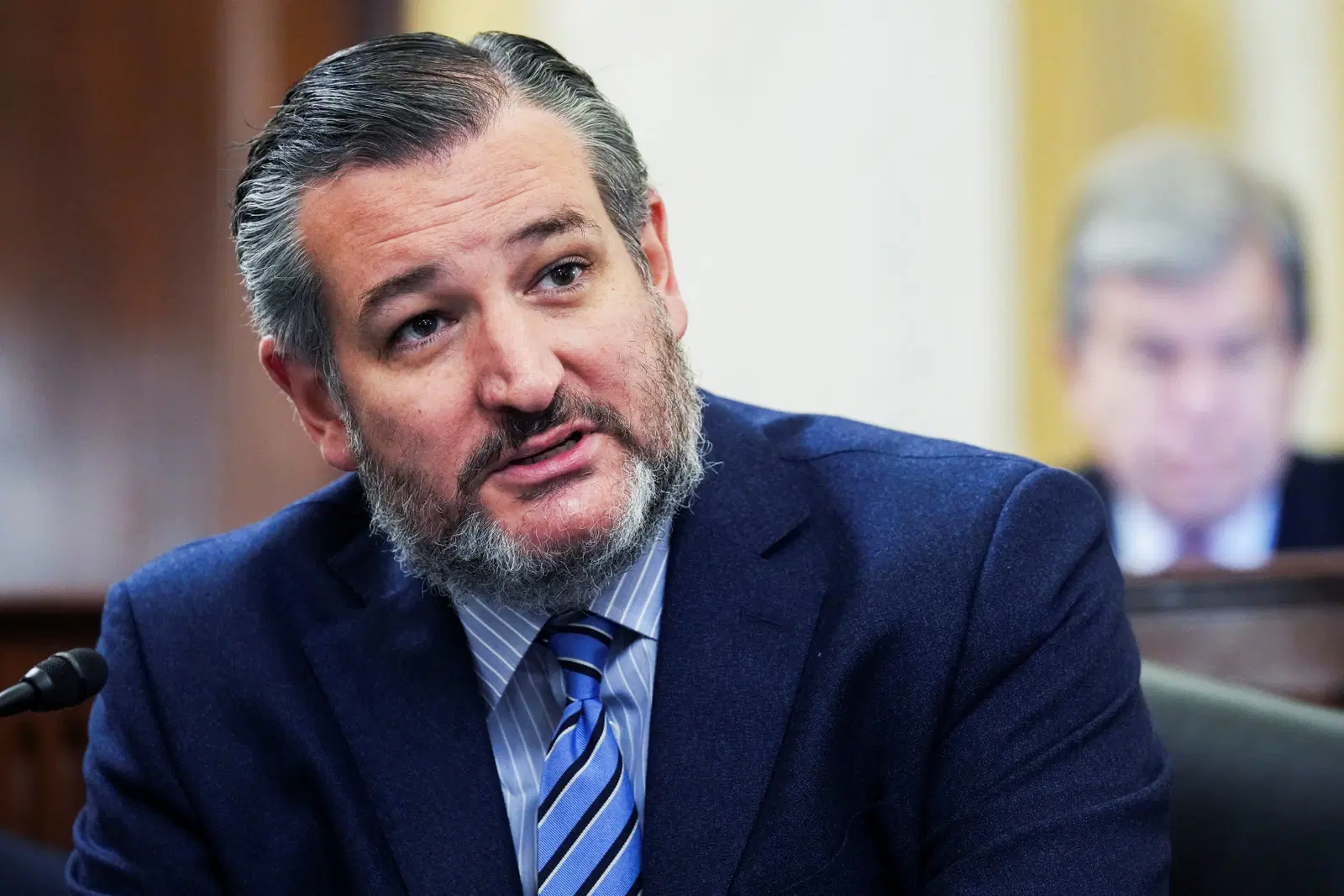
US Senator Ted Cruz addressed the matter following a recent US House of Representatives voice vote approving an amendment to increase the withholding of assistance to Nigeria from 50 percent to 100 percent. The aid suspension will remain in place until effective measures are taken to prevent and address territorial violence.
Cruz, who authored the proposed Nigeria Religious Freedom Accountability Act of 2025 aimed at sanctioning officials linked to targeted violence against religious minorities, stated that Nigerian authorities have fostered an environment enabling violence through blasphemy laws, Sharia enforcement, and inaction against militant groups. He asserted that rather than addressing humanitarian concerns, officials attempted to neutralize criticism through public relations campaigns.
Representative Chris Smith, Chairman of the House Foreign Affairs Subcommittee on Africa, echoed these concerns, noting that the deployment of lobbying firms demonstrates a persistent culture of denial within the Nigerian government regarding domestic security challenges.
Concurrently, Timi Frank, former Deputy National Publicity Secretary of the All Progressives Congress and current Ambassador to East Africa and the Middle East for the United Liberation Movement for West Papua, challenged the Nigerian Presidency regarding its portrayal of diplomatic correspondence from US President Donald Trump.
Frank alleged that the administration is attempting to mislead the Nigerian public by presenting a standard diplomatic letter acknowledging bilateral security cooperation as a political endorsement of President Tinubu’s administration and economic agenda. He urged the government to publish the complete document to verify its authenticity, noting the absence of official presidential seals or explicit political backing.
Frank further suggested that the delayed publicity surrounding the July letter was orchestrated to divert public focus from ongoing legal disclosures concerning President Tinubu's past court records in the United States. Pointing to the millions spent on foreign PR representation, Frank emphasized that international credibility cannot be manufactured through diplomatic letters or external public relations campaigns, but must instead be built on transparent governance, accountability, and domestic security.