


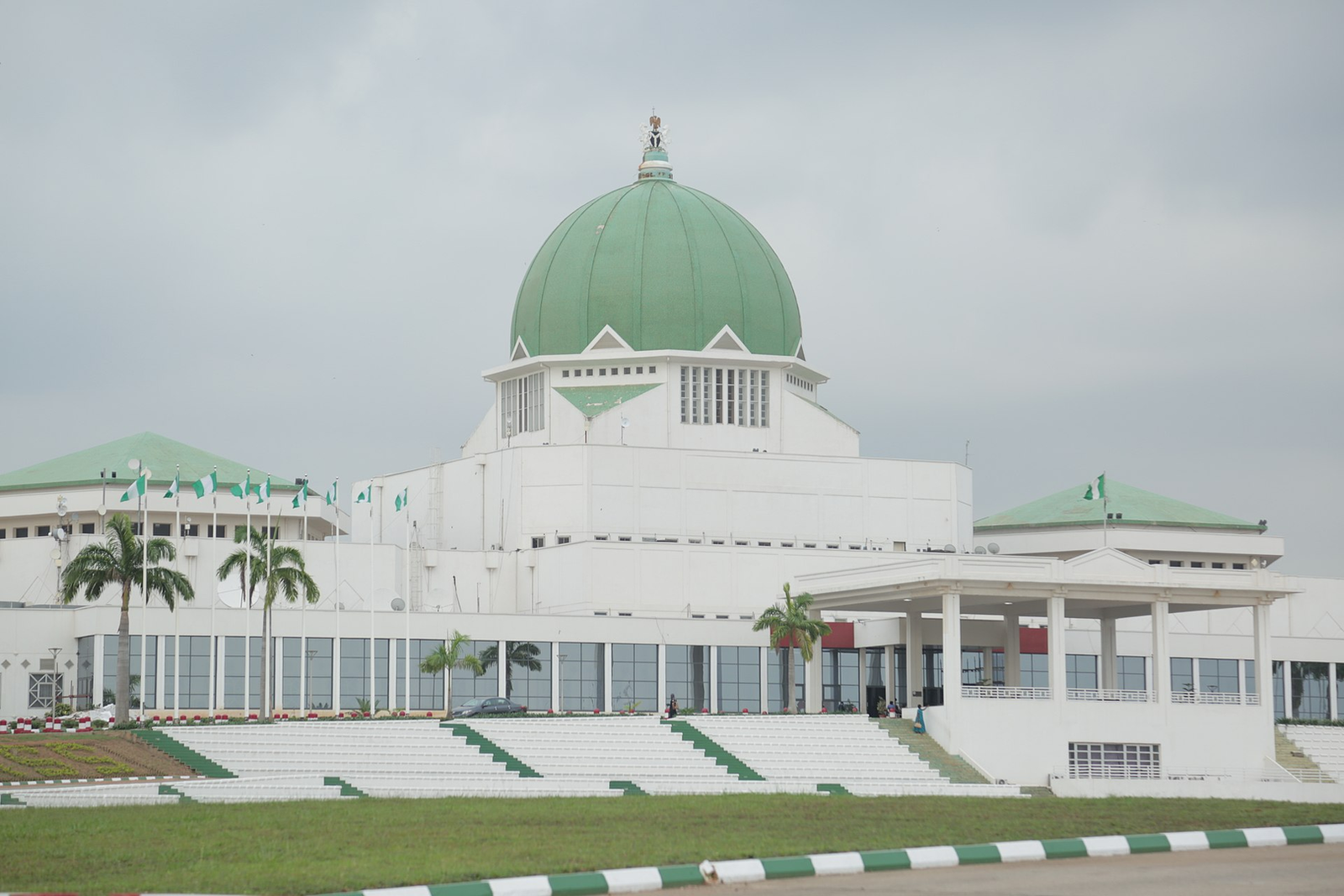
The Federal High Court in Lagos has ruled that the National Assembly’s ₦110 billion spending on luxury vehicles and support allowances was unlawful. The court determined that allocating ₦40 billion for 465 vehicles and ₦70 billion in allowances for newly elected lawmakers violated public procurement laws, constitutional obligations, and public trust.
Justice Yellim Bogoro delivered the judgment in a lawsuit filed by the Socio-Economic Rights and Accountability Project (SERAP) against the National Assembly leadership. The court ordered Senate President Godswill Akpabio and Speaker of the House of Representatives Tajudeen Abbas to ensure all future legislative expenditures strictly adhere to due process, transparency, accountability, and value for money.
Court Rejects Legislative Autonomy Defense
In the judgment, Justice Bogoro noted that the scale of the expenditure combined with a lack of established due process rendered the procurement arbitrary and inconsistent with statutory standards. The court highlighted that because the lawmakers approved expenditures that directly benefited themselves materially and financially, the situation constituted a conflict of interest and self-dealing.
Responding to the defendants' arguments regarding legislative autonomy, the court clarified that the doctrine of separation of powers cannot be used to shield illegal actions. Justice Bogoro emphasized that the judiciary maintains the authority to review the legality and constitutionality of legislative spending. Furthermore, the court observed that allocating such a significant sum for personal legislative benefits amid widespread economic hardship in Nigeria demonstrated a failure to prioritize national interest and breached the fiduciary duty owed to citizens.
Legal Background and Jurisdictional Rulings
SERAP initiated the lawsuit in August 2023 following public disclosure of the National Assembly's spending plans. The organization argued that purchasing bulletproof vehicles at roughly ₦305 million each and distributing large support allowances breached the Public Procurement Act of 2007, the Code of Conduct for Public Officers, and the constitutional oath of office.
The National Assembly leadership had sought to dismiss the case on several jurisdictional grounds. They argued that the funds had already been spent, making the lawsuit academic, and asserted that SERAP lacked standing and had failed to serve the mandatory three-month pre-action notice required by the Legislative House Act.
Justice Bogoro dismissed these objections, ruling that Nigerian law recognizes public interest litigation, granting registered non-governmental organizations like SERAP the legal standing to challenge matters of public concern. Regarding the pre-action notice, the court ruled that while generally mandatory, exceptions apply to urgent matters involving public interest or fundamental rights, noting that SERAP had previously sent formal correspondence requesting a reversal of the budget allocation.
Reaction to the Ruling
Following the judgment, SERAP Deputy Director Kolawole Oluwadare praised the decision as a significant victory for accountability and the responsible management of public resources. He reiterated that public office must be treated as a public trust rather than an avenue for personal enrichment.
Human rights lawyer Femi Falana also commended the ruling, stating that the lifestyle expenditures of lawmakers could not be justified during a period of economic difficulty for average citizens. He called on the Revenue Mobilisation Allocation and Fiscal Commission to actively enforce its constitutional mandate regarding the regulation of legislative remuneration.