


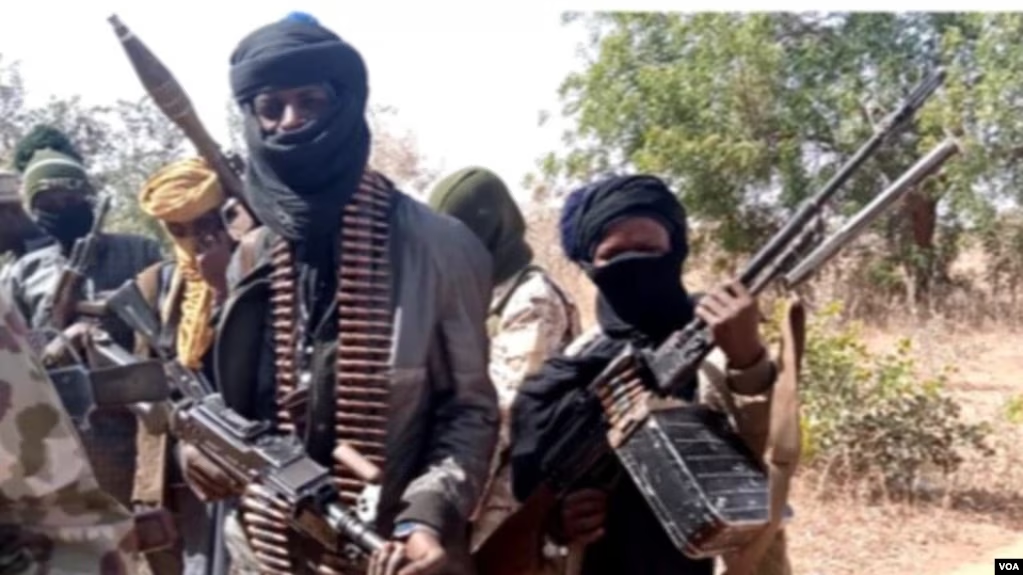
Dozens Killed in Coordinated Easter Sunday Attacks Across Benue and Kaduna States
ABUJA — At least 30 people were killed in a series of coordinated attacks by armed groups on Easter Sunday in Benue and Kaduna states, marking a violent escalation that has intensified scrutiny of President Bola Tinubu’s national security strategy.
The holiday violence claimed at least 34 lives across communities in Benue and Southern Kaduna, with victims including worshippers targeted during religious services.
Details of the Attacks
In Benue State, gunmen killed at least 17 people in Mbalom, located within the Gwer East Local Government Area. Simultaneously, in Kaduna State, no fewer than 15 individuals lost their lives as assailants raided multiple villages and churches. Eyewitness accounts describe heavily armed groups storming residential areas and congregations during peak Easter observances.
The Easter Sunday fatalities represent a fraction of a broader wave of violence recorded during the Holy Week (March 28 – April 4). A new report by the International Society for Civil Liberties and Rule of Law (Intersociety) indicates that at least 102 people were killed across several northern states, including Borno, Plateau, Nasarawa, and Kaduna, during this eight-day period.
Rising Fatality Rates Among Abductees
The report highlights a grim trend regarding kidnappings, estimating that approximately one in ten abducted individuals dies in captivity. These deaths are attributed to:
-
Physical torture and untreated injuries.
-
Starvation and lack of medical care.
-
Summary executions during captivity.
The lead-up to Easter was marked by several high-casualty incidents, including a roadside bombing in Borno State on March 28 that killed 13, and a March 30 attack in Chibok that left 21 dead.
Government Under Fire
The Intersociety report offers a sharp critique of the Tinubu administration, alleging an inadequate federal response and a failure to protect vulnerable populations. The organization challenged the official government narrative, which often attributes the violence to climate-driven farmer-herder conflicts, suggesting instead that the attacks are more deliberate and systematic in nature.
While federal authorities have not released an official response to these specific figures, security agencies maintain that operations to combat banditry and insurgency are ongoing across the affected regions.
Humanitarian Implications
Beyond the immediate loss of life, the violence has exacerbated Nigeria’s displacement crisis. Thousands of Internally Displaced Persons (IDPs) from Borno, Kaduna, and Zamfara continue to flee toward safer regions.
The report drew particular attention to the Home for the Needy Foundation in Edo State, which currently shelters over 4,500 displaced persons. It also highlighted the plight of tens of thousands from Gwoza, Borno State, many of whom have been forced to seek refuge across the border in Cameroon.
As the nation grapples with these persistent security lapses, civil society groups are calling for urgent international intervention and a comprehensive overhaul of Nigeria’s security architecture to safeguard citizens during high-risk periods.