


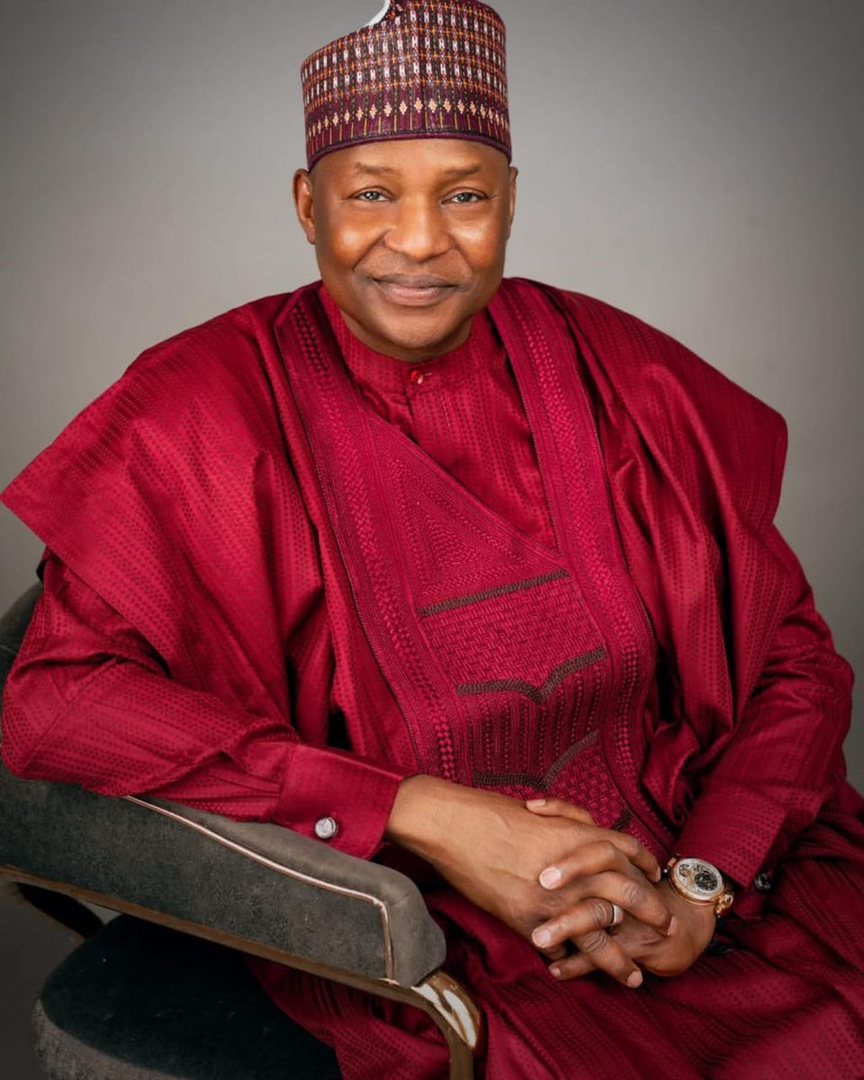
An Abuja Federal High Court has ordered the final forfeiture of 48 properties linked to Nigeria’s former Attorney General of the Federation and Minister of Justice, Abubakar Malami, to the Federal Government.
In a ruling delivered on Wednesday, Justice Joyce Abdulmalik determined that the Economic and Financial Crimes Commission (EFCC) successfully established the necessary legal grounds of reasonable suspicion to justify seizing the assets. The court found that Malami, his family, and associated companies failed to disprove allegations that the properties were purchased using the proceeds of unlawful activities.
Key Legal Determinations
Before delivering the final judgment, Justice Abdulmalik dismissed multiple applications and motions filed by the respondents, characterizing them as lacking merit. The judge emphasized that the core focus of the proceedings was the legitimacy of the funds used to acquire the properties, rather than their ownership.
She concluded that the respondents did not successfully counter the suspicion that the assets were obtained through illicit means. Consequently, the court granted the EFCC’s application for final forfeiture under Section 17 of the Advance Fee Fraud and Other Fraud Related Offences Act, while simultaneously discharging interim forfeiture orders for a few of the originally targeted properties.
Case Background and Timeline
The asset forfeiture process began in January, when the EFCC initiated civil proceedings seeking the permanent forfeiture of 57 properties valued at ₦212.8 billion. The agency claimed these assets, located across Abuja, Kano, Kebbi, and Kaduna states, were linked to the former Attorney General.
-
January 16: A vacation judge, Justice Emeka Nwite, granted an interim forfeiture order and directed the EFCC to publish the directive in a national newspaper to allow interested parties to contest the action.
-
Response from the Accused: Malami, along with his wife, Nana Hadiza Malami, his son, Abdulaziz Abubakar Malami, and several linked corporate entities, challenged the interim order. They argued the properties were acquired legally and asserted that the EFCC relied on speculation without proving a direct link to any specific criminal activity.
-
Case Reassignment: Following the court's annual vacation, the case was transferred to Justice Abdulmalik.
-
May: Counsel for both sides presented their final arguments. The EFCC maintained that the properties were held by proxies acting on Malami's behalf and noted that civil forfeiture requires establishing reasonable suspicion rather than proof beyond a reasonable doubt.
-
July: After two postponements from its initial July 6 date, the final judgment was delivered on Wednesday.