


The Nigerian federal government has announced plans to seek compensation from South Africa for citizens forced to abandon their businesses and properties due to renewed anti-immigrant tensions. This development coincides with the arrival of 269 additional Nigerian evacuees in Lagos, bringing the total number of repatriated citizens to 603 across three government-sponsored flights.
Government Interventions and Compensation Efforts
The repatriation initiative, approved by President Bola Ahmed Tinubu, originally authorized five flights operated by local carriers, including Air Peace and ValueJet, following the screening of over 1,000 citizens by the Nigerian High Commission in Pretoria.
The Acting Nigerian High Commissioner to South Africa, Temitope Ajayi, confirmed that officials have begun documenting the assets, vehicles, and real estate left behind by the returnees. This documentation will serve as the foundation for formal bilateral talks with the South African government to ensure returning citizens receive financial restitution for their investments.
Furthermore, the Ministry of Foreign Affairs indicated that the evacuation window will extend past the initial June 30 deadline to accommodate all screened and cleared individuals wishing to return voluntarily.
Documentation Bottlenecks at Home Affairs
Addressing allegations regarding the legal status of the evacuees, Nigerian officials and community leaders have highlighted systemic inefficiencies within South Africa’s Department of Home Affairs.
-
Systemic Delays: A massive backlog of visa and permit renewals over the last several years has left numerous foreign nationals technically undocumented, despite having entered the country through legal immigration channels.
-
Mischaracterization: Representatives argue that the "undocumented" label is frequently misapplied to individuals whose paperwork has lagged within the administrative system for years.
Security Measures and Local Perspectives
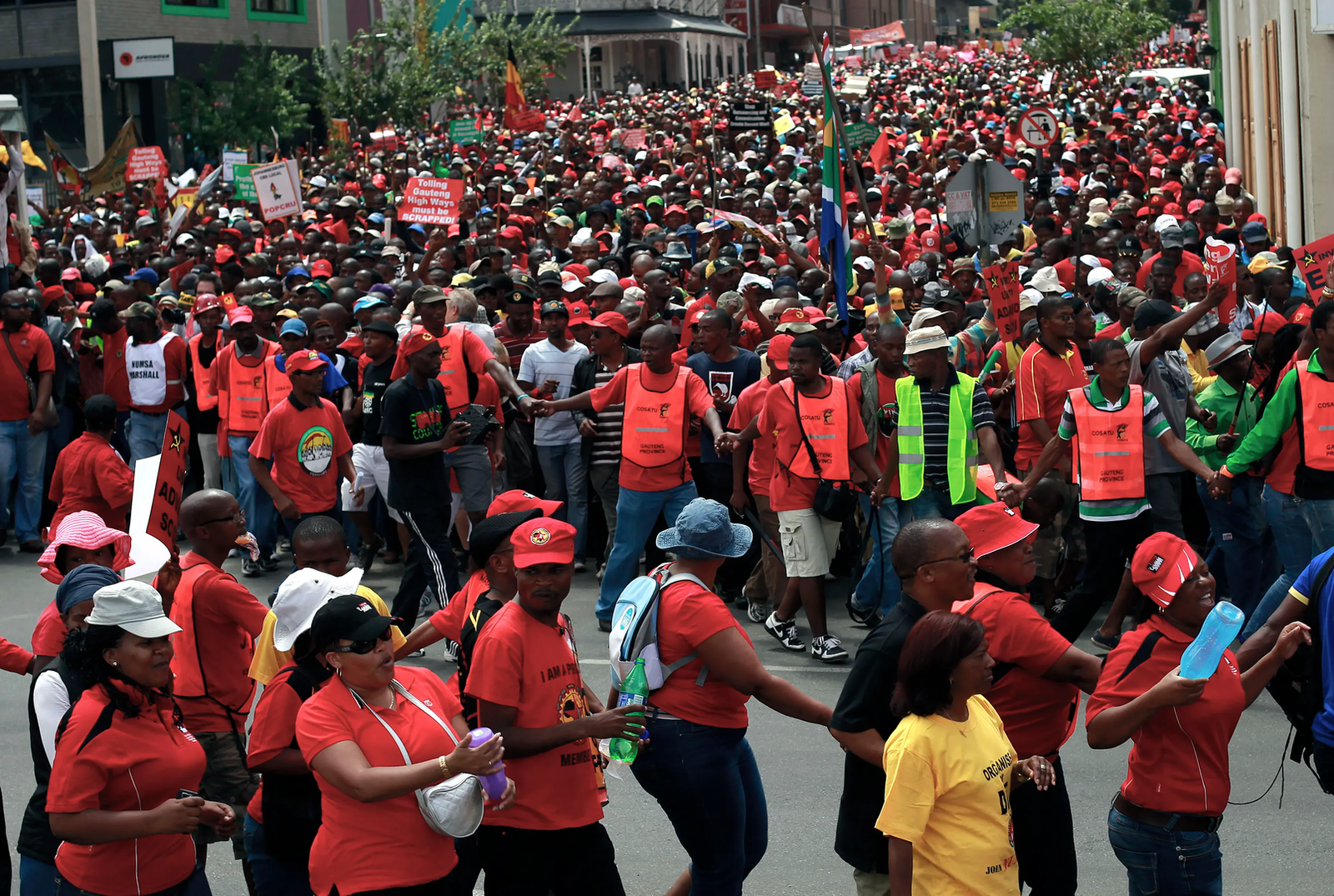
The highly anticipated anti-immigrant protests scheduled for June 30 remained largely peaceful, a outcome attributed to a massive domestic security operation.
| Security Deployment Metrics | Details |
| Personnel Deployed | 13,000 law enforcement officers |
| Surveillance Infrastructure | 33,000 CCTV cameras and drone support |
| Financial Cost | Approximately R600 million ($35.5 million) |
| Primary Focus Areas | Gauteng, KwaZulu-Natal, and the Western Cape |
Local reports indicate that while major commercial centers experienced closures and residents largely stayed indoors out of caution, the heavy deployment of military and police personnel successfully deterred looting and vandalism.
Community Resilience and Long-Term Outlook
Despite the availability of repatriation flights, leadership within the Nigerian diaspora community, including the Igbo Union South Africa, noted that the majority of the estimated legal Nigerian population intends to remain. Leaders emphasized that many citizens possess deep economic roots, run legitimate enterprises, and have established families in South Africa, contributing significantly to the local economy.
While community organizations continue to partner with the Nigerian Consulate to provide emergency provisions and shelter to stranded individuals awaiting flights in Pretoria, residents are being urged to maintain security awareness, avoid protest routes, and remain law-abiding as bilateral diplomatic efforts continue.