


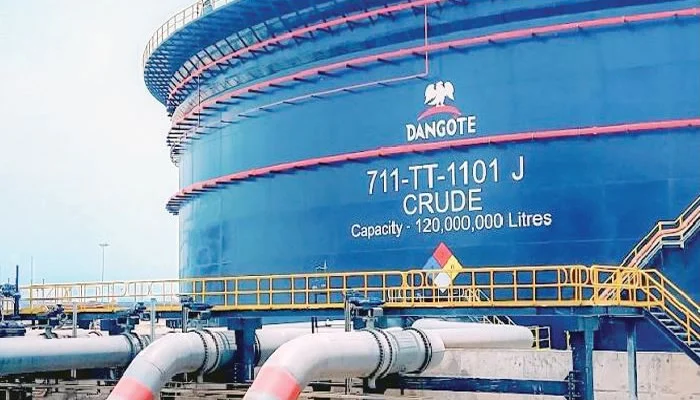
Uncertainty has gripped Nigeria’s downstream petroleum sector following an unresolved dispute between the Federal Government and the Dangote Petroleum Refinery over pricing templates, crude oil supply modalities, and import licenses. The ongoing friction has led independent petroleum marketers to exercise caution, significantly reducing fuel loading and prompting the temporary closure of several filling stations across the country.
Marketers Adopt Cautious Approach Amid Price Fluctuation Concerns
The Independent Petroleum Marketers Association of Nigeria has revealed that many of its members have suspended large-scale fuel loading while awaiting clarity on market dynamics and the refinery's pricing structure. Marketers expressed concern over purchasing large quantities of petrol at prevailing ex-depot prices—currently ranging between N1,200 and N1,300 per liter—only to face potential losses if product prices fall shortly after.
While the distribution of petrol has not halted entirely, the volume of fuel being lifted from depots has dropped significantly. Representatives from IPMAN’s Western Zone noted that the suspension of Premium Motor Spirit sales at the Dangote refinery forced marketers to source products from private depots at higher costs, leading to stock exhaustion at various retail outlets.
Dangote Refinery Refutes Loading Halt Claims
In response to reports of operational disruptions, a spokesman for the Dangote Group dismissed assertions that fuel loading had been suspended, describing the claims as inaccurate. The refinery maintained that operations and product loading within the Lekki-based facility remain ongoing. The spokesperson further noted that importers are currently facing challenges matching the refinery's competitive pricing due to rising costs in neighboring regional hubs.
Underlying Causes of the FG-Dangote Dispute
A senior government official involved in negotiations clarified that the standoff extends beyond retail petrol prices to fundamental operational disagreements:
-
Dollar-Based Pricing Template: The refinery proposed pricing its petroleum products in US dollars, citing its location within a Free Trade Zone and the need to offset its FX-denominated operational costs.
-
Crude Oil Allocation in Naira: The refinery expressed dissatisfaction with both the total volume of crude supplied by the Nigerian National Petroleum Company Limited and the limited proportion sold in local currency, which reportedly covers less than half of its required feedstocks.
-
Issuance of Import Permits: The refinery remains opposed to the Federal Government continuing to issue import licenses to third-party marketers while local refining capacity exists.
Conversely, government representatives cautioned against creating a domestic monopoly, emphasizing the necessity of foreign exchange earnings derived from state crude sales. Officials highlighted that balancing naira-denominated crude allocations against national dollar requirements remains critical for broader economic stability. Furthermore, several major oil marketing companies have initiated legal proceedings to secure the continued issuance and renewal of import authorizations, arguing that open competition and existing distribution infrastructure are vital for ensuring nationwide energy security.
Regulatory Oversight and Market Intervention
The Federal Competition and Consumer Protection Commission emphasized that the Nigerian naira remains the sole legal tender for domestic commercial transactions, opposing any dollar-denominated fuel sales within the domestic market.
Additionally, the regulatory body raised concerns that recent declines in global crude oil prices have not translated into reduced retail petrol prices for consumers. To address potential consumer exploitation and market distortions, the Federal Government has convened multi-stakeholder discussions involving refiners, regulators, and distribution entities to resolve the pricing structure and ensure market stability.