


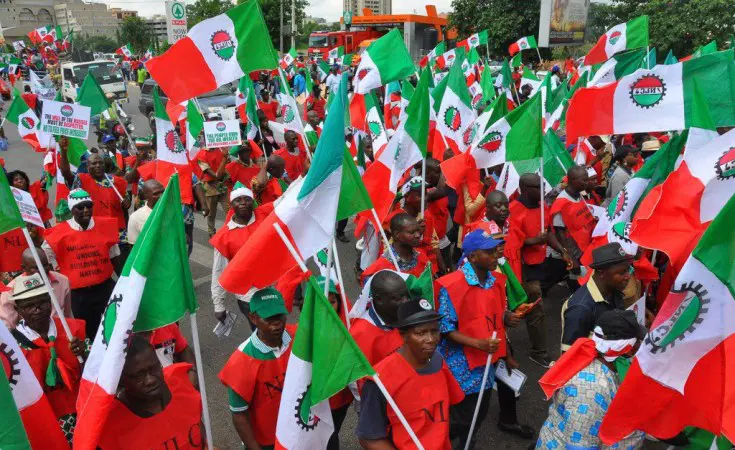
Public sector unions across Nigeria, operating under the Joint National Public Service Negotiating Council (JNPSNC), have commenced a three-day nationwide warning strike. The industrial action, effective from midnight, follows the Federal Government’s failure to address critical demands concerning the skyrocketing cost of living and soaring fuel prices.
The directive affects all federal, state, and local government employees, including personnel across ministries, departments, and agencies (MDAs). Affiliate organizations enforcing the total compliance mandate include the Nigerian Civil Service Union, the Medical and Health Workers Union, the Association of Senior Civil Servants of Nigeria, and the National Association of Nigerian Nurses and Midwives, alongside several other major public sector employee groups.
Core Grievances and Unmet Demands
The decision to strike stems from an unheeded ultimatum issued to President Bola Tinubu following an official communication dated September 21. Labour leaders expressed deep frustration that the President’s Independence Anniversary address on October 1 failed to offer concrete relief measures or solutions to the severe economic and mental hardship currently facing citizens.
The primary demands driving the nationwide protest include:
-
Fuel Price Reduction: Unions are demanding immediate government intervention to lower the pump price of Premium Motor Spirit (PMS) to N500 per litre. Current prices ranging between N1,400 and over N2,000 per litre have severely crippled purchasing power and spiked transportation costs. Proposed solutions include providing intervention funds for landing costs and facilitating direct crude oil sales to the Dangote Refinery and modular refineries.
-
Emergency Wage Award: Workers are pressing for the urgent approval and implementation of a national wage award for all federal, state, and local government personnel to temporarily cushion the effects of runaway inflation.
-
Early Minimum Wage Negotiations: Labour leaders are calling for the immediate establishment of a tripartite committee to jumpstart preparations and negotiations for a new national minimum wage framework ahead of 2027.
Support from the Nigeria Labour Congress
The industrial action has received strong backing from the Nigeria Labour Congress (NLC). In a separate Independence Day statement, the NLC leadership emphasized that structural inflation has completely eroded the real value of wages. The labour centre highlighted how surging transportation costs continue to inflate prices for food, rent, education, and essential services while nominal wages remain stagnant.
Beyond immediate economic relief, the NLC raised concerns regarding Nigeria's ongoing heavy reliance on imported refined petroleum products despite domestic refining potential. The umbrella labour organization also called for significant reductions in the cost of governance, increased transparency in public resource management, expanded employment opportunities for youth, and a more robust strategy to tackle the escalating insecurity plaguing rural and agricultural communities.
With the warning strike now active through the weekend, union leaders have urged all public servants and affiliate chapters to ensure absolute solidarity, stressing that the current economic realities have made continuous silence and inaction impossible for Nigerian workers.