


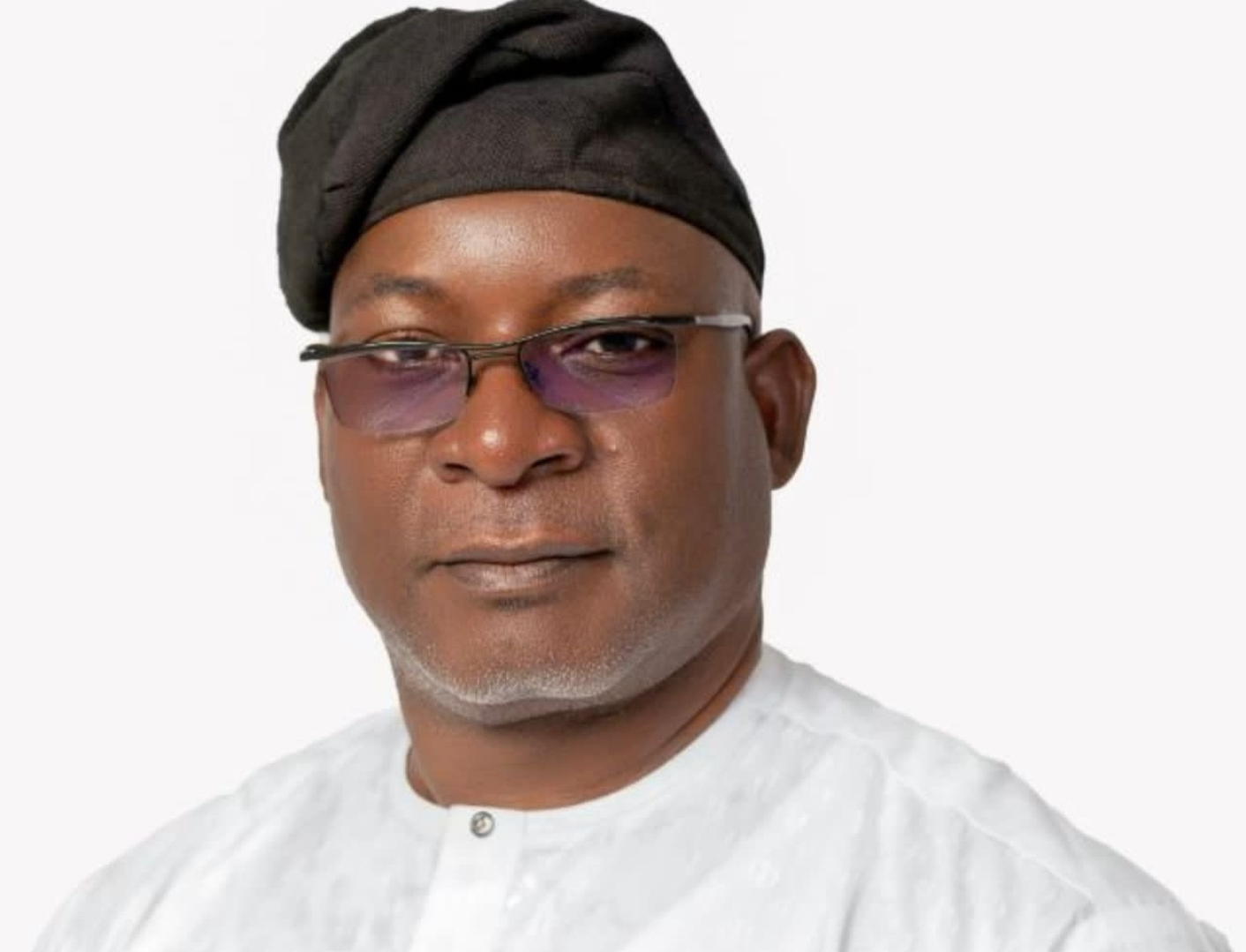
Nigeria’s Auditor-General, Shaakaa Chira
An audit report from the Auditor-General for the Federation has revealed that the Federal Government failed to provide sufficient evidence that N33.75bn in electronic cash transfers reached genuine beneficiaries in 2023.
The report, which reviewed transactions at the National Cash Transfer Office in Abuja, examined payments made to 3,295,207 vulnerable households across 35 states through the National Social Register and the National Beneficiary Register. Auditors stated that paid vouchers lacked full beneficiary details, and Remita statements required for reconciliation were withheld, as NTCO accounts staff blocked access and frustrated the auditing process. Officials face recommendations to account for the funds before the National Assembly or recover and remit them to the Treasury.
The audit raised seven additional queries involving billions of naira and widespread internal control failures:
-
Unpreaudited Payments: Payments totaling N36.74bn across 215 vouchers in December 2023 were processed without prior internal audit checks.
-
Unaccounted Expenditures: The NTCO disbursed N4.616bn from its cash book without presenting corresponding paid vouchers for examination.
-
Unsubstantiated State Disbursements: Out of N3.09bn sent to states for unbanked beneficiary enrolment, N350.18m lacked supporting documentation such as beneficiary lists or attendance registers.
-
Unconfirmed Refunds: Nine state units returned N393.71m due to insecurity and other disruptions, but the NTCO failed to provide documentation proving the funds were credited to the Consolidated Revenue Fund.
-
Advance Payments Without Guarantees: A 30 per cent mobilization advance of N280.42m was paid to Payment Service Providers without an Advance Payment Guarantee or proper pre-qualification and bidding records.
-
Missing Store Records: Store items worth N89.51m were purchased without being logged in the store ledger, which had remained unupdated since 2020.
-
Procurement Breaches: Cash advances totaling N17.42m were issued to staff for diesel purchases, bypassing contract procedures and resulting in N2.18m in lost tax revenue.
Management at the National Cash Transfer Office failed to respond to any of the audit queries.
These findings surface as Nigeria continues financing its social safety net through a World Bank International Development Association facility. Total disbursements under the $800m loan approved in December 2021 have reached approximately $744.61m, or 93.1 per cent of the total. The funding expanded following the May 2023 petrol subsidy removal, with monthly payments shifting from N5,000 to N25,000 per household to mitigate rising living costs.
Implementation has faced significant administrative delays and high-profile corruption scandals. In December 2023, the Economic and Financial Crimes Commission uncovered an alleged N37.1bn fraud within the Ministry of Humanitarian Affairs and Poverty Alleviation under former Minister Sadiya Umar-Farouq. Her successor, Dr. Betta Edu, was suspended in January 2024 after authorizing a N585m transfer to a private account. National Coordinator Halima Shehu was also arrested over the alleged diversion of N44bn from National Social Investment Programme Agency accounts.
The federal government subsequently appointed a special investigative panel led by Wale Edun to restructure the programmes and partnered with the Central Bank and the National Identity Management Commission to mandate Bank Verification Numbers and National Identity Numbers for tighter transparency.
Despite these measures, the World Bank reported in 2025 that the conditional cash transfer scheme only reached 37 per cent of targeted households. Political figures, including former Vice President Atiku Abubakar, have since called on the administration to publish transparent, reconciled records detailing beneficiary distribution, payment tranches, and transaction reversals.