
Nigeria is currently grappling with a severe surge in counterfeit and substandard consumer goods, triggering widespread public alarm and intense scrutiny of regulatory bodies. Driven by viral social media campaigns on platforms like X, TikTok, and Instagram, citizens and healthcare professionals have exposed an alarming proliferation of fake products—including pharmaceuticals, foods, cosmetics, and household items—flooding open markets across the country.
Social Media Exposé and Public Alarm The online movement gained unprecedented momentum following the recent deaths of several high-profile figures and a rising wave of sudden fatalities, which many citizens and commentators suspect may be linked to the consumption of toxic counterfeits. Ordinary citizens, medical professionals, and content creators have taken to sharing side-by-side packaging comparisons, market investigation clips, and practical safety tips.
Prominent medical figures have amplified these alerts. A notable case involved a Nigerian doctor who demonstrated how counterfeit Oral-B toothpaste could be identified by irregular packaging seals, opaque textures, and a lack of proper mint flavor, warning that such fakes may contain dangerous chemicals like diethylene glycol instead of safe glycerine. Similar viral investigations have highlighted adulterated Hollandia yoghurt sold in unsanitary conditions, discolored paracetamol tablets, dyed palm oil, painted apples, fake soy sauce, and substandard fish and poultry. Commentators note that these items are no longer fringe anomalies but staples of daily consumption, creating an environment of deep distrust and fear.
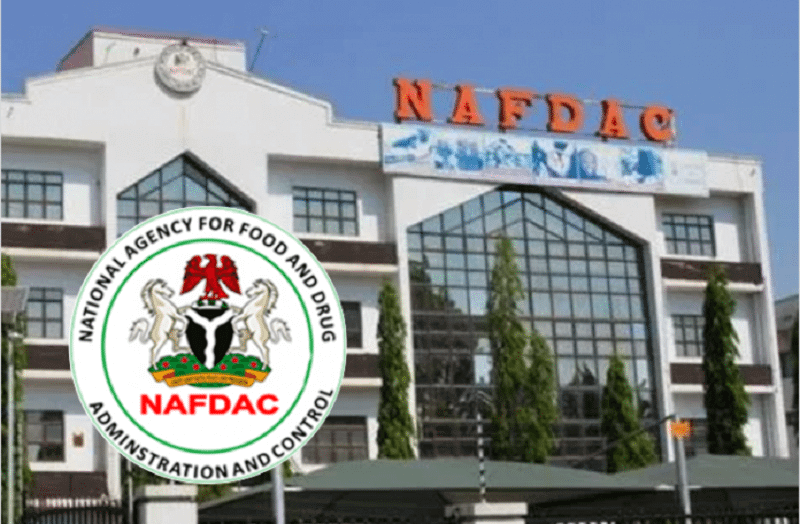
Systemic Corruption and Regulatory Failures Public outrage has targeted key oversight institutions, particularly the National Agency for Food and Drug Administration and Control and the Standards Organisation of Nigeria. Critics accuse both agencies of monumental failure, neglect of duty, and shifting toward revenue generation at the expense of public safety. Analysts have pointed out that widespread counterfeiting suggests deep-seated corruption and possible complicity among some regulatory officials, importers, and distributors.
While NAFDAC has recorded major enforcement successes—including the seizure of over 10 million doses of fake malaria drugs at the Lagos Trade Fair Market and the confiscation of billions of naira worth of illicit pharmaceuticals in Onitsha and Aba—experts argue that enforcement remains reactive rather than proactive. Furthermore, institutional friction has compounded the crisis. When pressed for comment, NAFDAC's Head of Enforcement declined to respond, while the Standards Organisation of Nigeria attempted to pass responsibility, stating that matters concerning fake drugs fall strictly under NAFDAC’s purview.
Health Hazards and Expert Warnings Medical professionals warn that the chronic ingestion of counterfeit and adulterated products poses catastrophic risks to vital human organs. Public health experts note that toxic chemicals, heavy metals, and incorrect active ingredients in fake medications and foods directly contribute to the soaring rates of renal failure, liver damage, heart complications, and cancers observed nationwide. Furthermore, ineffective counterfeit antibiotics and antimalarials prolong illnesses, escalate hospital admissions, and impose severe financial burdens on vulnerable citizens already suffering from economic hardship.
Calls for a National Overhaul and Stringent Sanctions Legal practitioners, civil society groups, and public affairs analysts have united in demanding radical reforms to rescue the country's public health infrastructure. Recommendations include:
-
Declaring a national state of emergency on fake and substandard goods.
-
Completely overhauling NAFDAC's leadership and operational framework to restore the aggressive enforcement standards of past eras.
-
Establishing inter-agency task forces combining NAFDAC, SON, the Nigeria Customs Service, the Federal Competition and Consumer Protection Commission, and security agencies.
-
Enhancing border surveillance, port checks, and warehouse inspections to intercept smuggled and falsified cargo.
-
Expanding digital surveillance to curb the online advertising and sale of illicit products.
-
Enacting stringent legislation that eliminates bail and fines for convicted counterfeiters, treating their actions as organized economic and public-health sabotage equivalent to terrorism.
As public pressure mounts, citizens and experts alike emphasize that swift, transparent, and uncompromising government action is essential to restore public trust and protect the lives of millions of Nigerians.