


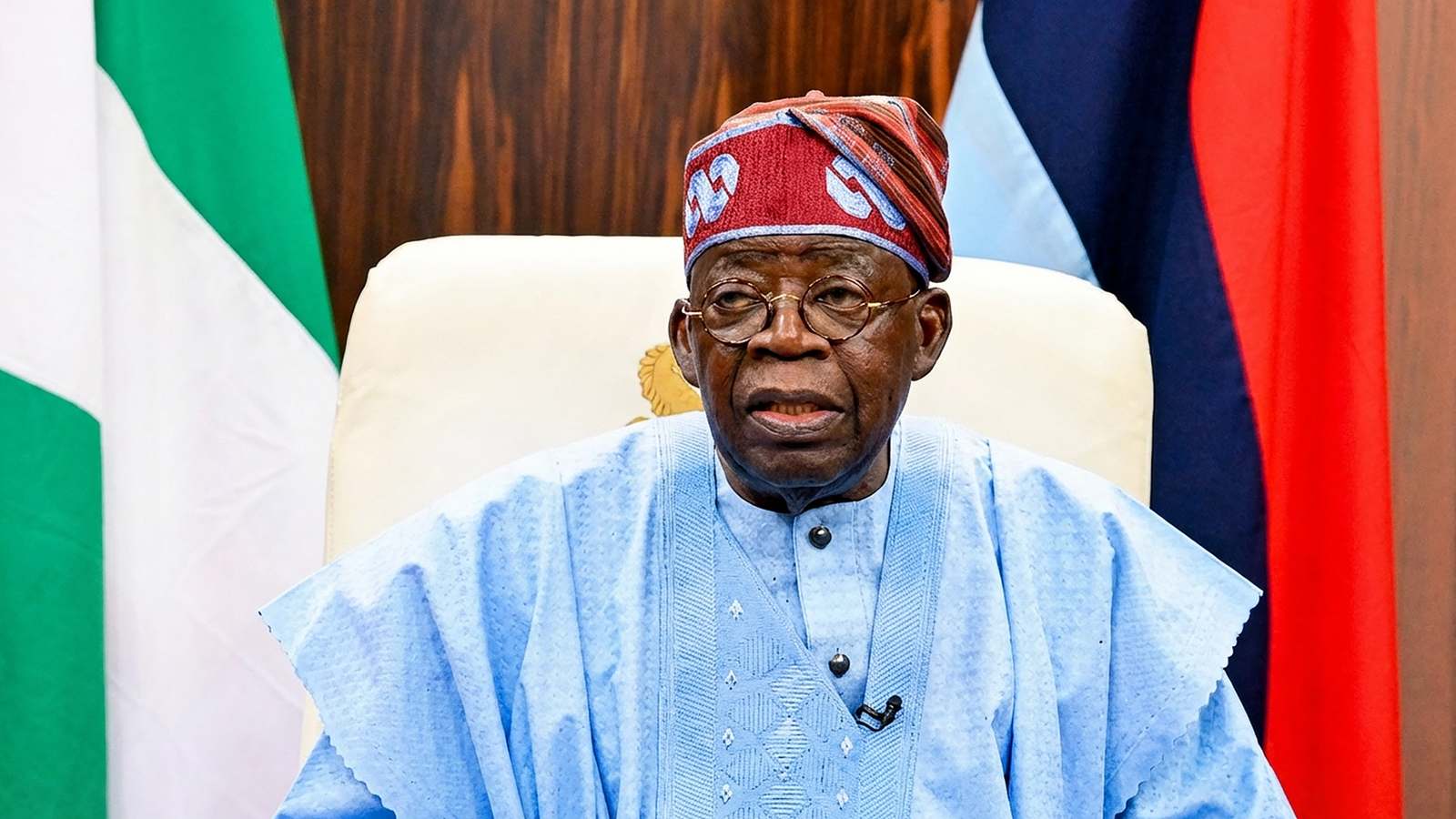
President Bola Tinubu recently directed the Economic and Financial Crimes Commission (EFCC) to return to court and vacate an order freezing the bank accounts of the Osun State government. The intervention has sparked significant public debate regarding institutional independence, the separation of powers, and the potential implications for the rule of law ahead of the upcoming governorship election.
Background and Official Positions
The directive followed the EFCC’s decision to freeze the state accounts, a move that drew widespread criticism from political figures and legal experts. While the EFCC defended its actions by citing statutory powers and its preventive mandate—noting a similar procedure implemented prior to the 2024 Edo State election—President Tinubu stated that the timing of the freeze, occurring just days before an election, was inappropriate. He noted that such actions by federal agencies risk being misattributed directly to the presidency, causing public embarrassment.
Reactions from Legal Experts and Political Parties
The development elicited diverse responses across the political and legal spectrum:
-
Legal Perspective: Senior Advocate of Nigeria Oba Maduabuchi asserted that the president lacks the constitutional authority to direct anti-graft agencies operationally. However, he acknowledged that public officers hold discretionary powers during peculiar circumstances to prevent perceived electoral interference. He criticized the public nature of the directive, suggesting such matters should be handled discreetly through the Attorney General, and advised the agency to target specific diverted funds rather than entire government accounts. He also highlighted a broader issue of public trust in leadership.
-
African Democratic Congress (ADC): ADC National Publicity Secretary Bolaji Abdullahi questioned the accuracy of the statements surrounding the incident. He pointed out discrepancies regarding the existence of a court order, noting that the EFCC had previously defended its actions using its statutory mandate rather than judicial approval, which raised concerns about the source of the presidency's information.
-
Atiku Abubakar: Represented through statements by his media aides, Atiku Abubakar criticized the account freeze as a threat to democratic norms and governance stability on the eve of an election. He argued that the presidential intervention effectively dismantled claims of institutional independence, challenging the administration to apply similar directives to other high-profile cases involving anti-corruption and investigative bodies.