


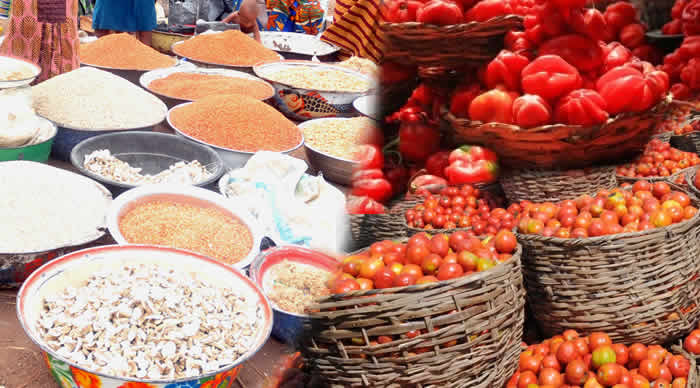
A worsening cost-of-living crisis is fundamentally altering dietary habits and food security across Nigeria. Data from the first quarter of 2026 highlights a significant surge in the cost of basic staples, forcing families to reduce portion sizes, eliminate essential nutrients, and alter long-standing shopping behaviors to cope with diminishing purchasing power.
Economic Pressures Alter Market Dynamics and Diet Quality
The National Bureau of Statistics reported persistent double-digit food inflation through the end of 2025 and into early 2026. The financial strain has drastically shifted how citizens approach food procurement. Rather than buying in bulk, many consumers in major urban hubs like Lagos have shifted to daily, small-scale purchasing.
Price tracking reveals steep increases across almost all major food categories between December 2025 and March 2026:
-
Tubers: Sweet potatoes and Irish potatoes saw some of the sharpest month-on-month increases, rising by roughly ten and seven percent respectively. Yam prices also climbed significantly.
-
Legumes and Grains: Traditional, affordable protein sources like white and brown beans experienced price surges exceeding six percent, while local and imported rice varieties continued an upward trajectory.
-
Poultry and Dairy: The cost of individual eggs and full crates rose steadily, placing additional strain on household budgets.
To manage these soaring costs, many families are employing drastic dietary coping mechanisms. Nutritional experts observe that households frequently cut out proteins, fresh fruits, and vegetables first, prioritizing affordable, starch-heavy options to maintain fullness. Nutritionists warn that this shift drives a subtle form of malnutrition characterized by chronic fatigue and lowered immunity, which can impair childhood development even when regular meals appear to be consumed.
The Growing Crisis of Foodborne Illness
Compounding the economic hardship is a severe public health challenge regarding food safety. The Federal Ministry of Health and Social Welfare recently disclosed that contaminated and unsafe food causes approximately 50 million illnesses and over 53,000 deaths annually in Nigeria.
The economic and human toll translates into over four million healthy years of life lost annually to disability, sickness, and premature death. Pathogens such as Salmonella, E. coli, and Listeria drive millions of cases of severe diarrheal disease, which remains a primary driver of childhood hospitalization and malnutrition. Furthermore, authorities point to emerging chemical hazards, particularly lead contamination in water, grains, and spices, as an escalating threat to public health. Environmental factors including inadequate sanitation, polluted water sources, and poor agricultural waste management heavily accelerate the spread of these foodborne pathogens.
Institutional Responses and Mitigation Strategies
In response to the dual crises of nutrition and safety, government bodies and health experts are advocating for systemic changes and practical household adjustments.
Government and Regulatory Actions
The National Agency for Food and Drug Administration and Control (NAFDAC), alongside the Ministry of Health, is executing targeted interventions to curb the rise of non-communicable diseases linked to poor diet. Nigeria has established guidelines aimed at reducing sodium levels in processed foods and is enforcing regulations to eliminate industrial trans-fats, aligning with international targets set by the World Health Organization. Additionally, enhanced surveillance and reporting frameworks via the National Food Safety Management Committee have positioned the country to better detect and manage localized foodborne outbreaks.
Nutritional Adaptations
Public health advocates emphasize that maintaining a balanced diet during economic hardship requires strategic planning rather than expensive investments. Nutrition professionals suggest focusing heavily on affordable, nutrient-dense local staples—such as millet, sweet potatoes, groundnuts, and local leafy vegetables like ugwu—which often provide superior nutritional value compared to processed alternatives. Utilizing structured shopping lists, reducing home kitchen waste, and sourcing items from wholesale markets are also recommended as effective ways to stretch household budgets without sacrificing essential elements of food safety and health.