


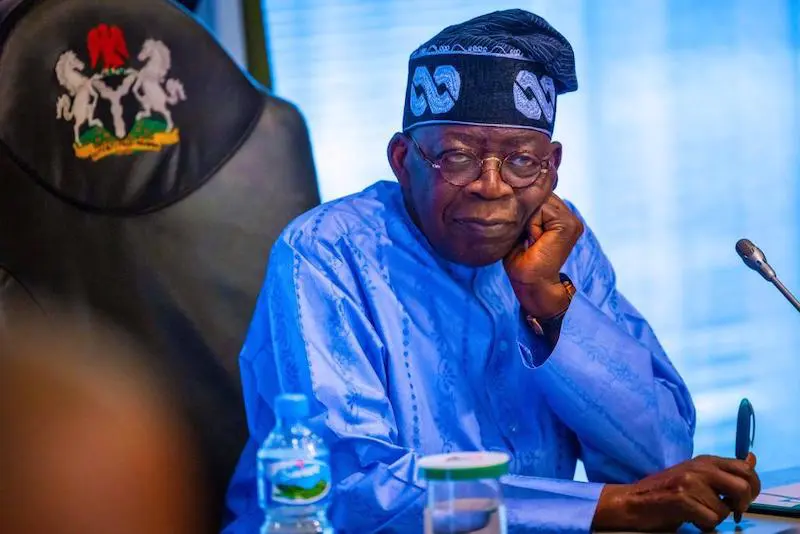
Presidential Directive: Nigerian President Bola Tinubu declined to personally receive a special delegation from South African President Cyril Ramaphosa, directing them instead to meet with the Minister of State for Foreign Affairs, Ambassador Sola Enikanolaiye.
The Delegation: The South African team was led by Minister of International Relations and Cooperation Ronald Lamola, arriving in Abuja to deliver a message from President Ramaphosa regarding recent violence.
Diplomatic Strains: The snub highlights escalating diplomatic friction between Abuja and Pretoria following a wave of xenophobic and anti-migrant attacks that began in April 2026, leading to the emergency evacuation of nearly 1,500 Nigerians.
Background and Official Discussions
The diplomatic row intensified after renewed violence targeting African nationals, particularly Nigerians, broke out across several South African provinces. Presidency sources revealed that the South African delegation arrived in Abuja without prior notice, seeking an audience with President Tinubu.
Following advice from Minister of Foreign Affairs Ambassador Bianca Odumegwu-Ojukwu—who noted that it was an inappropriate time for a personal presidential meeting while attacks remained ongoing—Tinubu delegated the talks to Ambassador Enikanolaiye.
During the meeting in Abuja, Enikanolaiye expressed deep concern over the recurring pattern of violence against Nigerians, noting that historical records trace such incidents back decades. He stated that over 98 Nigerians had died in mob and hate-related actions since 2022, labeling the incidents as "Afrophobia."
While emphasizing that the Nigerian government does not condone criminality or drug trafficking, Enikanolaiye insisted that suspects must be subjected to due process rather than summary mob justice. He further raised concerns regarding state responsibility and alleged complicity, citing instances where law enforcement authorities reportedly failed to intervene during attacks on legitimate Nigerian businesses and residents. The humanitarian toll was highlighted by the recent repatriation flights, which transported vulnerable populations, including women, children, and the elderly, back to Nigeria with minimal belongings.
South Africa’s Response
In his remarks, special envoy Ronald Lamola conveyed President Ramaphosa’s message, emphasizing South Africa’s official stance against intolerance, xenophobia, racism, and discrimination.
However, Lamola maintained that Pretoria retains the sovereign right to enforce domestic immigration laws, crack down on irregular and undocumented migration, and combat criminality within its borders. He stressed that migration is a broader continental challenge requiring collaborative solutions from both regional powerhouses.
Broader Fallout and Next Steps
The renewed violence has severely strained bilateral relations. In response to the crisis, President Tinubu approved emergency Air Peace evacuation flights, while the Nigerian legislature considered punitive measures, including the potential suspension of business permits for South African corporations operating within Nigeria.
The current diplomatic engagement aims to de-escalate tensions ahead of the upcoming African Union Extraordinary Summit on conflict prevention and resolution, scheduled to take place in Angola from August 29 to 30, 2026.