


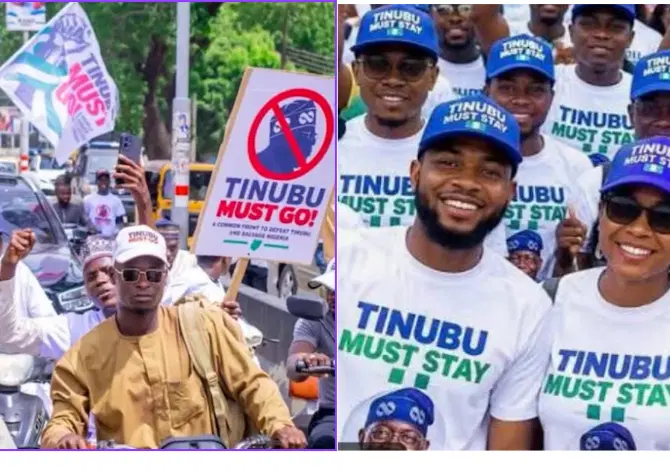
As preparations for Nigeria's 2027 general elections gain momentum, a sharp rise in political violence, threats, and hate speech has sparked deep concerns among security analysts, civil society groups, and citizens. Rival political camps increasingly accuse one another of employing intimidation tactics to secure electoral advantages.
Incidents spanning states such as Lagos, Enugu, Edo, Rivers, Kogi, Cross River, and Adamawa have highlighted a volatile pre-election landscape, marked by attacks on party secretariats, rallies, campaign facilities, and supporters.
Key Hotspots and Reported Incidents
-
Lagos State: More than 100 suspected thugs reportedly invaded the Labour Party (LP) secretariat in Idimu (Alimosho LGA) during a defection event to the African Democratic Congress (ADC), destroying property and injuring members. A relocated gathering at the Eco Centre Hall in Egbeda was also targeted. Additional violence occurred during the ruling All Progressives Congress (APC) House of Assembly primary in Kosofe.
-
Enugu State: Opposition parties reported disrupted gatherings and ward meetings. Three opposition governorship candidates Uche Nnaji (PDP), Christian Ohaa (NDC), and Ozor Obodoeze Ocho (ADC) jointly demanded an independent investigation by the Inspector-General of Police into escalating violence and the use of firearms in political spaces.
-
Rivers State: The ADC reported the tragic killing of a member, Kamadiyoi, in Community Ward 1 (Abua/Odual LGA) while preparing for a political meeting.
-
Other States: Armed attacks, vandalism, and clashes have been reported across Cross River (PDP consultation venues attacked), Kogi (ward meetings disrupted, members hospitalized), Bauchi (vandalized PDP vehicles), Ebonyi, and Adamawa (clashes between rival “Tinubu Must Come” and “Tinubu Must Go” support groups).
At a press conference in Abuja, the ADC documented similar acts of intimidation and attacks across at least nine states between July 2025 and September 2026: Kaduna, Kebbi, Ekiti, Cross River, Rivers, Edo, Osun, Kogi, and Enugu.
Chronological Timeline of Major Incidents (May–October 2026)
-
May 18, 2026 (Osogbo, Osun): Accord Party alleged armed men attacked Governor Ademola Adeleke’s campaign office and party secretariat.
-
May 21, 2026 (Kosofe, Lagos): Violence disrupted the APC House of Assembly primary at Ikosi Senior High School.
-
May 26, 2026 (Bauchi): Suspected thugs vandalized vehicles belonging to PDP members during a candidate affirmation event.
-
June 9, 2026 (Ile-Ife, Osun): An APC campaign walk degenerated into violence near Sabo, injuring three people.
-
July 31, 2026 (Ezza South, Ebonyi): Thugs attacked a PDP rally organized for Ifeanyi Nworie, injuring roughly 10 members.
-
August 30, 2026 (Kuje, FCT): An Accord Party gathering was attacked by suspected cutlass-wielding thugs, causing participants to flee.
-
September 9, 2026 (Kaduna): ADC supporters on a solidarity walk for governorship candidate Isa Ashiru were reportedly attacked.
-
September 12, 2026 (Nkanu West, Enugu): An NDC ward meeting at Ndiuno-Obuoffia was disrupted by gunmen, injuring two attendees, while separate PDP rally equipment was destroyed in Agbani.
-
September 14, 2026 (Isiokpo, Rivers): An ADC meeting in Ikwerre LGA was disrupted by suspected political thugs.
-
September 15, 2026 (Ejule, Kogi): Suspected thugs disrupted an ADC meeting in Ofu LGA, leaving several members hospitalized.
-
Mid-September 2026 (Abua/Odual, Rivers): ADC member Kamadiyoi was allegedly killed during preparations for a ward meeting in Emilaghan community.
-
October 2, 2026 (Calabar South, Cross River): The PDP alleged that gunmen attacked two consultation venues, injuring three people.
-
October 6, 2026 (Igueben, Edo): Gunmen reportedly attacked a campaign convoy involving Kenneth Imasuangbon and Herbert Okonofua, leaving supporter Jerry Oliha with gunshot wounds.
-
October 14, 2026 (Jimeta, Adamawa): Clashes broke out between rival presidential support and opposition factions.
Inflammatory Rhetoric and Podium Threats
Beyond physical clashes, statements from public officials and political actors have heightened tensions:
-
In Edo State, a local council chairman was accused of threatening to demolish hotels hosting opposition meetings and restricting commercial drivers wearing opposing party caps.
-
In the FCT, a local council chairman allegedly told residents not voting for the APC to leave the area.
-
In Borno State, a commissioner was accused of threatening physical harm against non-supporters, while inflammatory remarks were also reported in Osun and Rivers states.
Stakeholders, including elder statesman Chief Chekwas Okorie and ADC National Publicity Secretary Mallam Bolaji Abdullahi, have cautioned against the politicization of law enforcement and warned against turning regions into theatres of political conflict.
Lessons from the 2023 General Elections
Observers have drawn cautionary parallels to the 2023 elections, where identity-based rhetoric, ballot box destruction (such as incidents recorded in Surulere, Lagos), and voter intimidation marred the electoral landscape. International observers, including the European Union and the United States Embassy, noted significant concerns regarding voter suppression and ethnically charged rhetoric, which contributed to historically low voter turnout in key areas like Lagos.
Institutional Responses and Security Measures
In response to the growing security threat, Independent National Electoral Commission (INEC) Chairman Prof. Joash Amupitan emphasized that no political office is worth the blood of a citizen.
-
Early Warning Systems: INEC has activated an early-warning framework through the Inter-Consultative Committee on Election Security (ICCES) to monitor violence and hate speech.
-
Financial Monitoring: Joint financial-monitoring teams involving the EFCC, ICPC, and NFIU have been established to track illicit campaign financing.
-
Voter Readiness: INEC has registered over 10.6 million new voters and acquired 57,000 new BVAS devices.
Broader Economic and Reputational Concerns
The Nigeria Reputation Management Group (NRMG), led by Chairman Yomi Badejo-Okusanya, has warned that election-related insecurity directly threatens the country's international standing and economic prospects. Highlighting instances where prospective international investors cancelled visits due to travel advisories, experts stressed that peaceful, transparent elections are vital for national development, public trust, and foreign investment.