


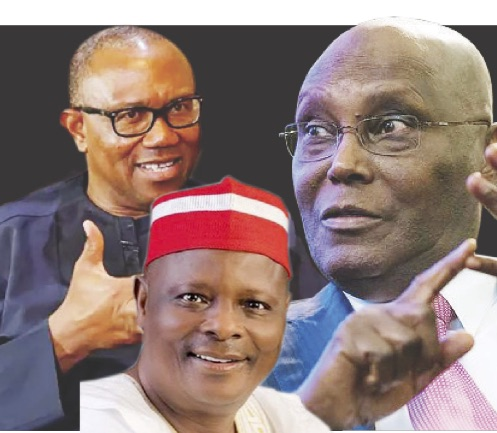
As Nigeria prepares for the 2027 general election, the political opposition is navigating a complex landscape marked by realignments, internal party crises, and ongoing strategic discussions. Kola Ologbondiyan, Special Adviser on Media and Publicity to the National Chairman of the African Democratic Congress (ADC) and former National Publicity Secretary of the Peoples Democratic Party (PDP), shared insights into the challenges and prospects facing opposition parties.
The Quest for a Grand Alliance
Efforts to forge a unified opposition ahead of the polls remain a central focus for various political factions. Following a consultative meeting in Ibadan involving multiple opposition parties, discussions have centered on building a grand alliance capable of presenting a cohesive front.
Despite setbacks—such as the departure of key figures Peter Obi and Rabiu Kwankwaso from the ADC coalition—proponents of the alliance maintain that dialogue remains open. Ologbondiyan noted that the coalition's ultimate goal is to establish a government of national unity that brings together diverse political forces to offer an alternative path for the country.
Internal Dynamics and Party Challenges
The opposition continues to grapple with organizational hurdles, including internal divisions within major political platforms like the PDP and legal disputes affecting party registrations and structures. While some parties have faced friction regarding zoning, leadership, and coalition terms, proponents of cooperation argue that overcoming these divisions is essential for mounting a competitive challenge.
At the same time, opposition figures have emphasized the importance of consistent public engagement. Sustaining pressure on the administration regarding economic policies, the cost of living, and security remains a priority for parties seeking to position themselves as credible alternatives.
Core Policy Focus and Differing Perspectives
A central point of debate leading up to 2027 involves the ideological and structural differences between the ruling All Progressives Congress (APC) and opposition groups. The ADC and its allies have framed their mission around the preservation of democratic principles, institutional strength, and opposition to centralized authority.
Rather than focusing solely on individual candidacies, opposition strategists contend that the upcoming election will be shaped largely by public sentiment surrounding economic conditions. They argue that the primary challenge facing the administration stems from the daily realities of citizens navigating inflation, subsidy removal, and economic hardship, which voters will evaluate at the ballot box.
As political parties continue consultations and legal frameworks are tested, the trajectory of Nigeria's opposition movement will depend heavily on its ability to resolve internal disputes and present a unified alternative before the 2027 elections.