


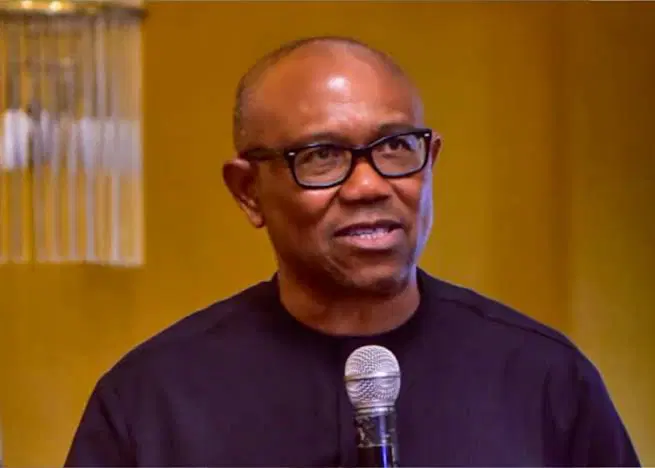
In a move that has further intensified speculations regarding the 2027 political landscape, Peter Obi, a former presidential candidate and current aspirant within the African Democratic Congress (ADC), held a high-profile, closed-door meeting with Bauchi State Governor Bala Mohammed on Thursday.
Obi arrived in Bauchi earlier today and proceeded directly to the Presidential Lounge of the Government House for the private session. The deliberations were held in strict confidence, with aides and party loyalists excluded from the proceedings.
Strategic Realignment Ahead of 2027
While an official agenda has not yet been released, the meeting occurs against a backdrop of significant political maneuvering. Sources within the Bauchi Government House suggest the talks are centered on the ongoing realignment of political forces as the next general election cycle approaches.
Governor Mohammed, who currently serves as the Chairman of the PDP Governors’ Forum, has recently become the focal point of defection rumors. His political trajectory has seen several recent pivots:
-
ADC Leanings: On March 31, Mohammed signaled a potential departure from the Peoples Democratic Party (PDP), identifying the ADC as his "preferred destination" during a visit from ADC stakeholders led by former SGF Babachir Lawal.
-
APC Consultations: The situation grew more complex the following day when the Governor hosted APC National Chairman Nentawe Yilwatda and Kano State Governor Abba Yusuf, sparking rumors of a potential alliance with the ruling party.
A Critical Intersection for the Opposition
The involvement of Peter Obi who recently transitioned his political activities toward the ADC suggests an effort to consolidate a "credible alternative" to the current administration. Analysts suggest that Governor Mohammed is leveraging his influential position within the PDP to strengthen his bargaining power across the political spectrum.
Both leaders are expected to address the media following the conclusion of their talks to provide clarity on the nature of their engagement. Given Mohammed’s leadership role within the opposition, his final decision on party affiliation remains a matter of significant national interest.