


The surge of petrol prices to N1,470 per litre has significantly intensified the cost-of-living crisis across Nigeria, drawing sharp criticism from political figures regarding the handling of national economic policies.
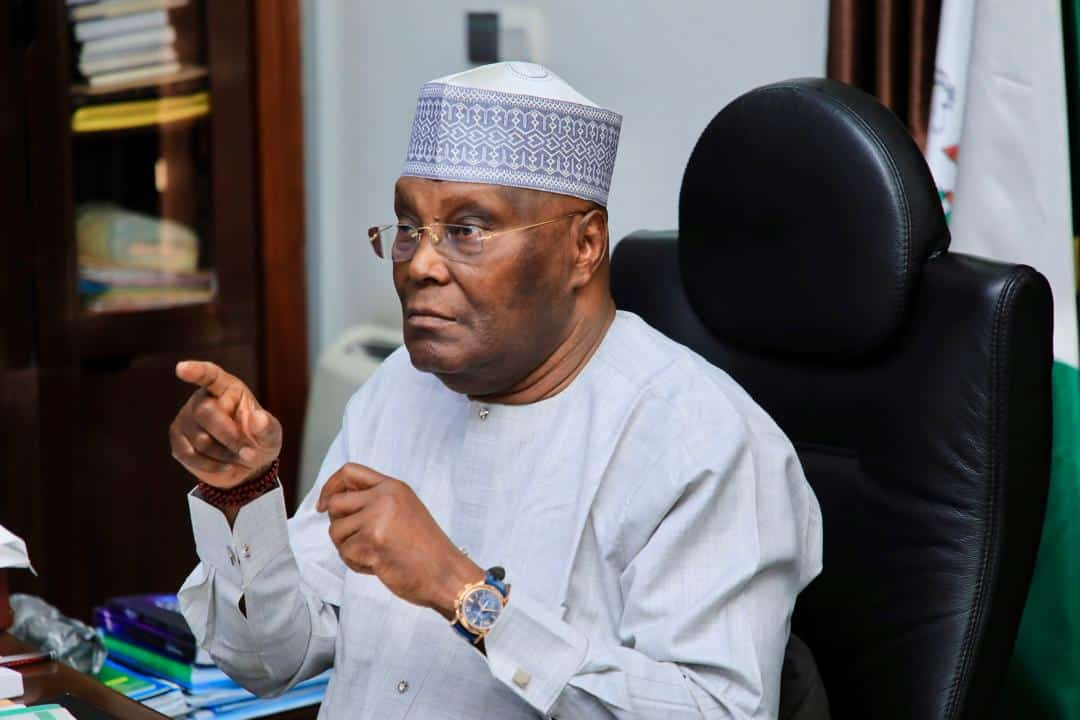
Former Vice President Atiku Abubakar expressed deep concern over the steep price hike, pointing out its immediate ripple effects on everyday household budgets. Because fuel costs dictate the pricing of transportation, food distribution, education logistics, agriculture, and manufacturing, every adjustment at the pump directly increases financial pressure on citizens.
A central point of contention involves the removal of the fuel subsidy. Critics argue that the policy change has inflicted severe hardship without delivering the promised infrastructural or social pelf intended to cushion the impact on the public, leaving citizens questioning how and where the resulting financial savings have been utilized.
Comparisons have also been drawn to historical economic conditions under past administrations. In 2008, when global crude oil prices peaked at approximately $147 per barrel, petrol retailed at N65 per litre under the government of the late President Umaru Musa Yar’Adua. In contrast, current prices have climbed to N1,470 per litre while global crude trades at roughly $102 per barrel. Observers argue this disparity highlights a failure in current governance to align macroeconomic strategies with the fundamental welfare and purchasing power of the populace.