


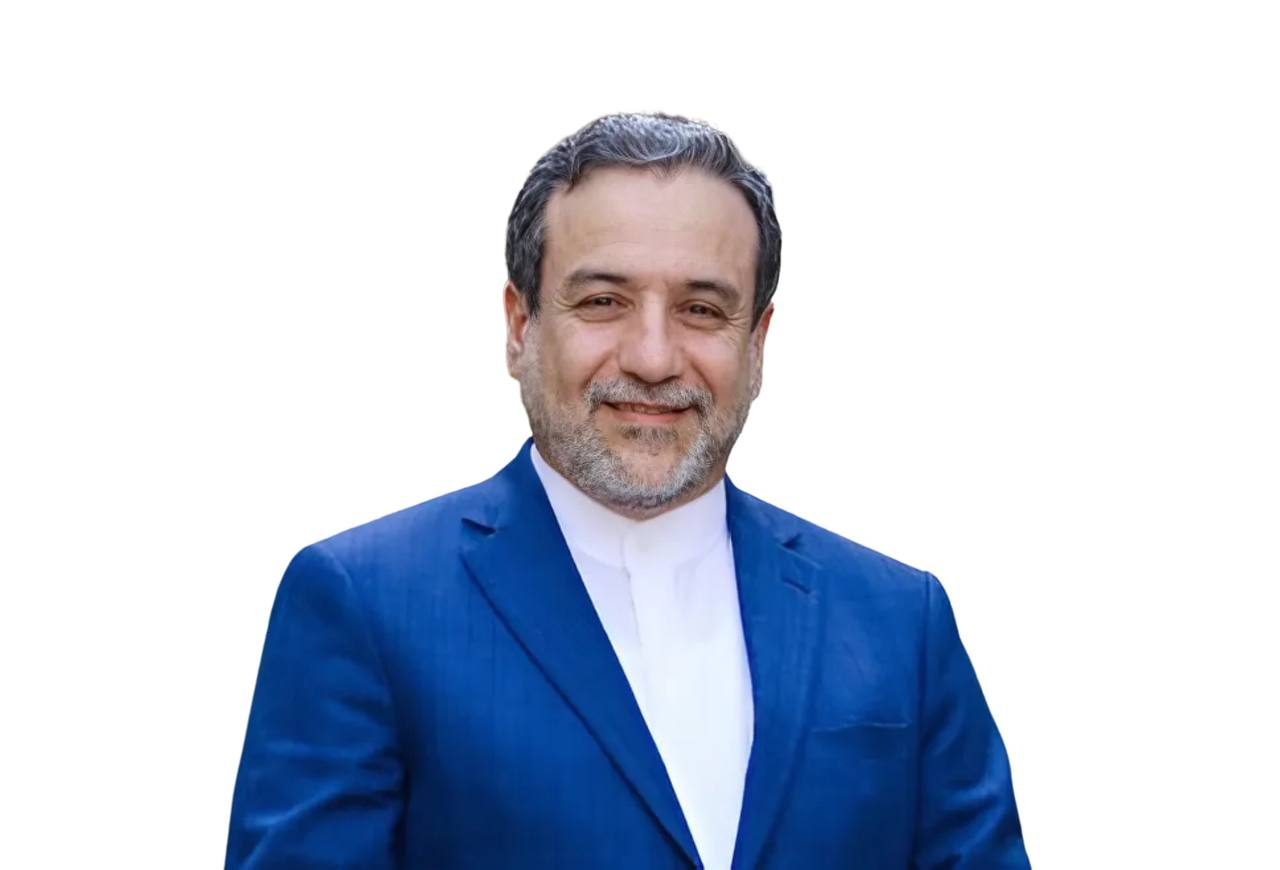
Iran's Foreign Minister Abbas Araghchi
Tensions between the United States and Iran reached a critical flashpoint on Friday following a series of naval engagements in the Strait of Hormuz and the Gulf of Oman. The escalation comes amid a high-stakes diplomatic push to salvage a fragile ceasefire and secure a broader regional peace agreement.
Naval Confrontations and the Strait of Hormuz
U.S. Central Command (CENTCOM) confirmed on Friday that American forces disabled two unladen Iranian oil tankers in the Gulf of Oman. Officials stated the vessels were attempting to bypass an active U.S. naval blockade. According to the statement, U.S. forces utilized "precision munitions" to disable the ships' smokestacks, preventing them from docking at Iranian ports.
CENTCOM further reported that it is currently preventing more than 70 tankers from entering or leaving Iranian waters as part of a strategy to exert economic pressure on Tehran.
The blockade follows a day of heavy exchanges in the Strait of Hormuz.
The U.S. Account: CENTCOM accused Iran of an "unprovoked attack" involving missiles, drones, and small boats targeting three U.S. warships.
The Iranian Account: Tehran’s military command alleged that the U.S. initiated the hostilities by targeting an Iranian tanker and conducting aerial strikes on coastal regions.
Local officials in Iran's Hormozgan province reported that at least one cargo vessel caught fire near Minab, resulting in ten injuries and several sailors missing.
Diplomatic Brinkmanship
Despite the violence, President Donald Trump maintained that a broader ceasefire remains intact. The ceasefire is intended to provide a window for negotiations to end the conflict that began in February. However, the rhetoric from both capitals remains sharp.
In a post on X, Iranian Foreign Minister Abbas Araghchi accused the U.S. of pursuing "reckless military adventure" whenever diplomacy is on the table, asserting that Iran would "never bow to pressure."
Conversely, U.S. Secretary of State Marco Rubio, speaking from Italy, expressed hope that Iran would deliver a "serious offer" in response to U.S. proposals. President Trump echoed this sentiment with a stark warning on Truth Social, stating that the U.S. would respond with significantly more force if a deal is not reached.
Regional Implications and Mediation Efforts
The conflict continues to disrupt global energy markets, as Iran’s control over the Strait of Hormuz affects approximately 20% of the world's oil and liquefied natural gas. A previous attempt by the U.S. military to clear 2,000 stranded vessels in the area was recently paused, leaving maritime commerce in a state of high volatility.
On the diplomatic front:
Qatar-Pakistan Mediation: Vice President JD Vance met with Qatari Prime Minister Sheikh Mohammed bin Abdulrahman Al Thani in Washington to discuss ongoing mediation efforts led by Pakistan.
Lebanon Talks: The State Department signalled readiness to host "intensive" talks on May 14-15 aimed at resolving the conflict between Israel and Hezbollah. While the U.S. and Israel demand the total disarmament of Hezbollah, the group has thus far rejected the framework of the negotiations.
As both sides await a formal response from Tehran, the international community remains on high alert, with the stability of global energy supplies and regional security hanging in the balance.