


Diplomatic Progress as US and Iran Near Agreement to End Hostilities
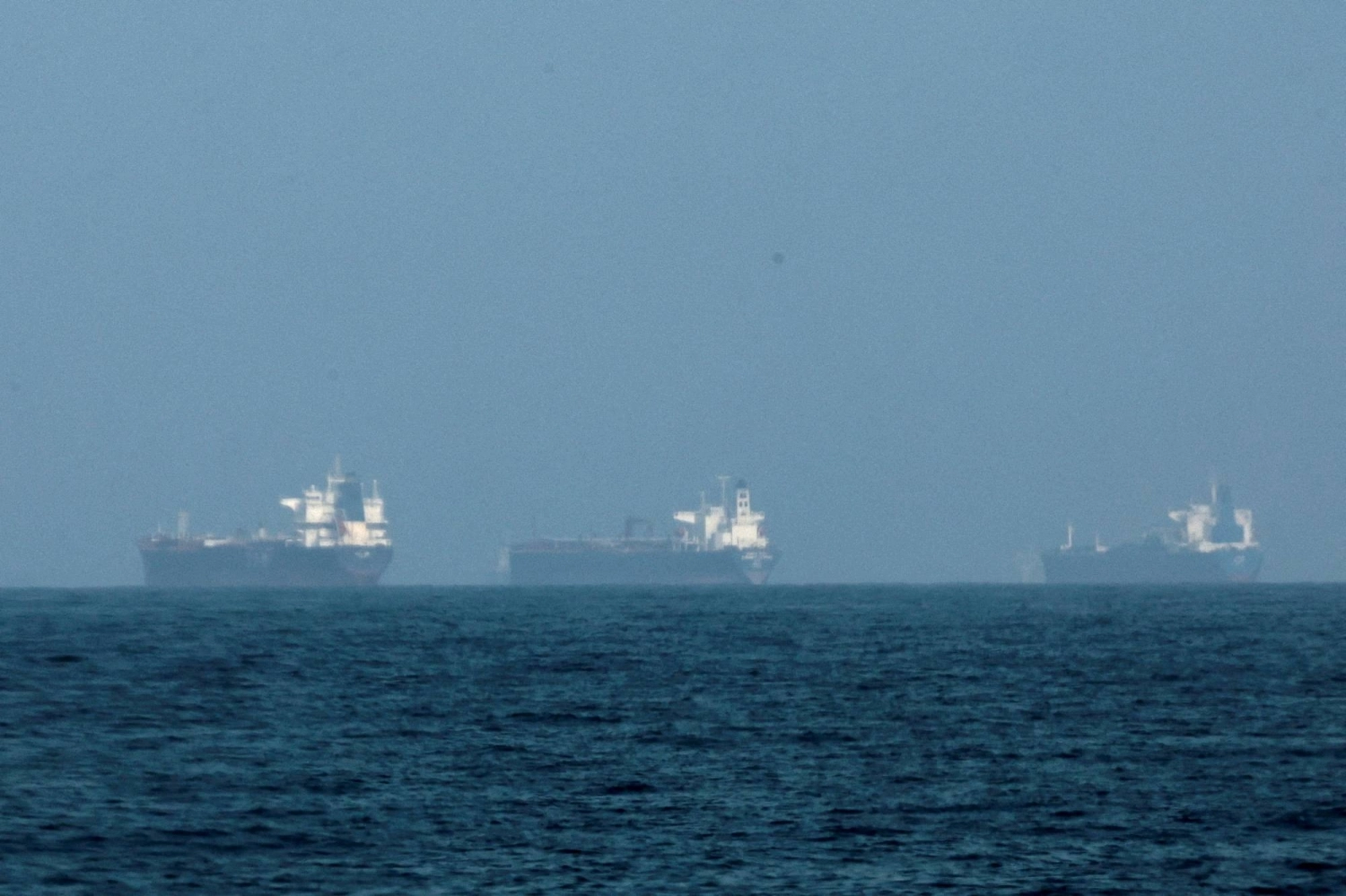
Negotiations between the United States and Iran are approaching a definitive agreement to halt recent military conflict, a development that includes the reopening of the strategic Strait of Hormuz. Iranian Foreign Minister Seyed Abbas Araghchi announced that the preliminary terms involve lifting the American naval blockade on Iran, though formal discussions regarding the nation's nuclear development are scheduled to take place at a later stage.
United States officials have verified several components of the proposed framework, emphasizing that any subsequent economic relief for Tehran remains strictly conditional upon verified compliance with its commitments.
Context of the Conflict
The hostilities originated on February 28 following a series of American and Israeli airstrikes within Iran. In response, Iran launched retaliatory strikes against Israel and American-allied Gulf states, alongside enforcing an effective closure of the Strait of Hormuz—a vital maritime corridor responsible for the transit of approximately one-fifth of the world's petroleum and liquefied natural gas. Although both nations consented to a temporary ceasefire in April, intermittent engagements have persisted, including two separate rounds of reciprocal strikes recently.
Discrepancies and Mediation Efforts
While Iranian media recently published a purported 14-point outline of the agreement, US President Donald Trump disputed the accuracy of those specific terms, stating they did not reflect the actual substance of the ongoing negotiations. President Trump noted that previously scheduled military operations had been suspended due to the significant progress made by negotiators.
Pakistani Prime Minister Shehbaz Sharif, representing one of the primary mediating nations alongside Qatar, confirmed that a Memorandum of Understanding has been established and currently awaits final ratification.
According to the Iranian foreign ministry, the terms are currently under review by Iran's Supreme National Security Council, where the proposal has met with both internal support and opposition. A final collective decision has yet to be reached, and should the council grant approval, the accord will be finalized remotely. Israel remains excluded from these specific proceedings, which aim to secure an extended ceasefire and initiate broader diplomatic talks.
Key Terms of the Proposed Agreement
| Core Category | Agreed Measures & Conditions |
| Maritime & Trade |
• Immediate reopening of the Strait of Hormuz. • Simultaneous lifting of the US naval blockade on Iranian shipping. |
| Nuclear Materials |
• Immediate commencement of a 60-day negotiation window. • Focus on the verification, on-site destruction, and removal of Iran's enriched uranium. |
| Economic Structure |
• Rejection of upfront asset unfreezing. • Staged, performance-based reintegration into the global economy via incremental sanctions relief. |
| Regional Security |
• Cessation of Iranian funding for regional proxy networks. • Framework includes provisions aimed at concluding conflicts between Israel and Hezbollah. |
Implementation and Forward Outlook
The Western international community has long maintained concerns regarding the potential development of a military nuclear capability in Iran, a claim Tehran continues to deny, asserting its program serves exclusively peaceful research and energy production purposes.
Under the current framework, United States representatives emphasize that the Memorandum of Understanding functions entirely on a performance-verified basis rather than mutual trust. Consequently, economic reintegration and the lifting of sanctions will occur incrementally, directly tied to independent verification of Iran's compliance.
A point of divergence remains regarding the governance of the Strait of Hormuz. Following its closure, Iran sought to implement transit fees for vessels navigating the waterway, whereas the United States maintains that the passage must remain free to international shipping. Furthermore, while Iran indicates the framework encompasses a resolution to the conflict between Israel and Hezbollah in Lebanon, prior American assessments suggested Lebanon might be handled separately.
Despite previous draft agreements collapsing over the past two months, diplomatic officials from the United States, Iran, Pakistan, and Qatar express a higher degree of transparency and optimism regarding the current text, with final signatures anticipated in the near future.