


IRAN: Tensions in the Persian Gulf have reached a critical impasse as Iranian officials declared it "not possible" to reopen the Strait of Hormuz to normal traffic. The closure follows a series of diplomatic breakdowns and military escalations between Tehran, Washington, and regional actors.
Strategic Gridlock in the Gulf
Mohammad Bagher Ghalibaf, Iran’s top negotiator, cited "blatant violations" of the existing US-Iran ceasefire as the primary justification for the continued maritime restrictions. Iranian leadership specifically pointed to:
-
The US Naval Blockade: Continued enforcement of a blockade on Iranian ports, which Tehran views as a direct breach of prior agreements.
-
Regional Hostilities: Accusations of "warmongering" by Israel across multiple fronts.
-
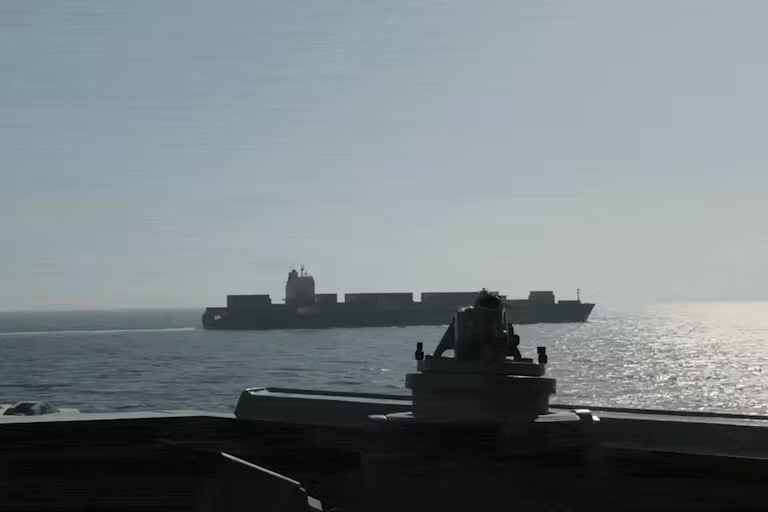
Seizure of Vessels: Following President Donald Trump’s decision to extend the ceasefire—while simultaneously maintaining the port blockade—Iranian forces seized two cargo ships within the Strait.
Obstacles to Diplomacy
The scheduled resumption of diplomatic talks in Pakistan has stalled. Iranian President Masoud Pezeshkian identified the US blockade and a perceived "breach of commitments" as the definitive obstacles preventing a return to the negotiating table.
While the Trump administration has framed the extension of the ceasefire as a de-escalatory measure, the insistence on maintaining the naval blockade has, from Tehran's perspective, rendered the agreement hollow.
Economic and Security Implications
The Strait of Hormuz, a vital artery for global energy supplies, has seen traffic reduced to a "trickle." According to BBC Verify, the location of recent ship seizures confirms that the primary transit routes are now effectively contested zones.
"The current state of the Strait is deeply damaging for both Iran’s domestic stability and the global economy. It has become too dangerous for standard commercial operations." — Frank Gardner, Security Correspondent
The international community remains on high alert as the disruption threatens to trigger a spike in global energy prices and further destabilize an already volatile Middle East.