


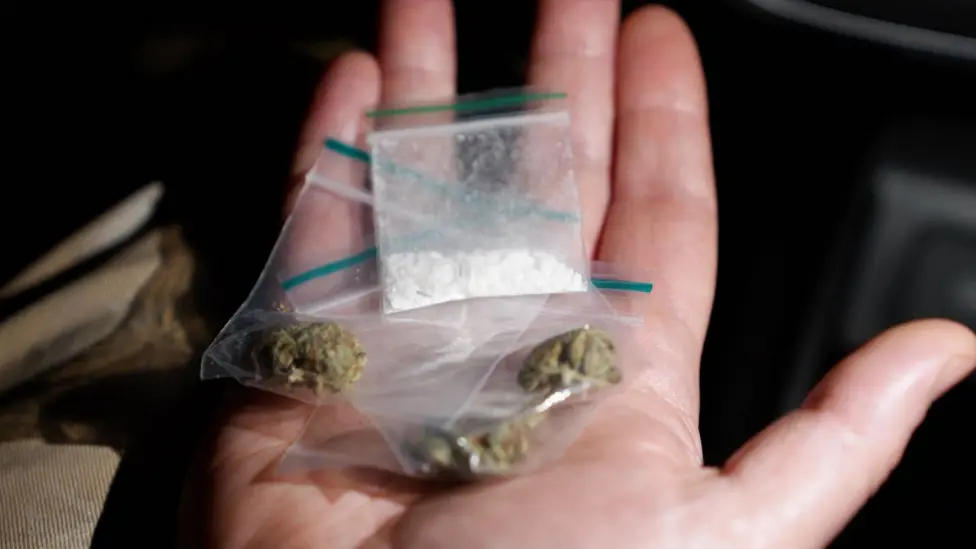
A year long BBC investigation has uncovered a disturbing trend of organised criminal gangs using mini-marts and convenience stores across the UK as fronts for selling illegal drugs, including cannabis, cocaine, and nitrous oxide.
Key Findings from the West Midlands
Undercover researchers focused on four towns in the West Midlands, where they successfully purchased Class A and B drugs directly from shop counters:
-
Cradley Heath: A researcher purchased cannabis and cocaine from a shop worker, who also offered prescription drugs like pregabalin.
-
Dudley & Brierley Hill: Shops were found selling illegal cigarettes, vapes, and laughing gas. In one instance, a shopkeeper directed researchers to a nearby flat to complete a cannabis deal.
-
Intimidation: Legitimate business owners reported being targeted by gangs through vandalism and threats, with some witnessing knife and gun violence in broad daylight.
A National Crisis
The issue extends far beyond the West Midlands. Analysis of local news reports identified more than 70 shops nationwide from Devon to Northern Ireland—linked to the sale of heroin and crystal meth.
Trading Standards officials expressed frustration with current "cat-and-mouse" enforcement. While many shops have been raided and closed under anti-social behaviour laws, they often reopen nearby shortly after.
Calls for Urgent Reform
The scale of the "lawlessness" has prompted senior officials to demand a government crackdown:
-
Liam Byrne MP: The chair of the Business and Trade Committee described the findings as "horrifying" and is calling for a zero-tolerance approach to remove the "cancer" of organised crime from High Streets.
-
Trading Standards (CTSI): Is lobbying for tougher legislation, including the power to issue 12-month closure orders or permanent shutdowns for persistent offenders.
The Home Office stated it is currently working with the National Crime Agency and police to take the "strongest possible action" against these criminal enterprises.