


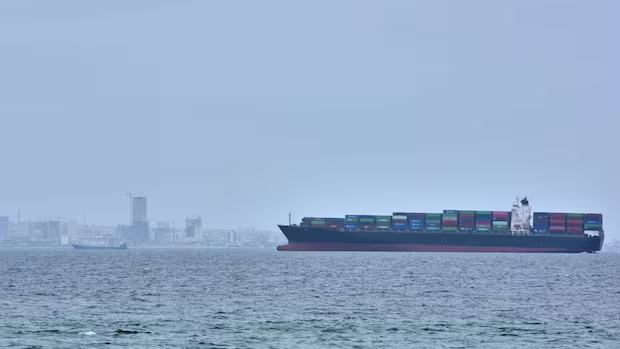
IRAN: Diplomatic efforts to de-escalate tensions in the Persian Gulf have reached a critical impasse. Despite ongoing international pressure, the United States and Iran remain at odds over the terms of a lasting peace, with the strategic Strait of Hormuz remaining a primary flashpoint.
Deadlock Over Ceasefire Terms
U.S. President Donald Trump stated there is currently "no time frame" for concluding hostilities with Iran. While the White House clarified that no formal deadline has been established for an extended ceasefire, the administration appears to be bracing for a prolonged period of friction.
Conversely, Iranian leadership has signalLed a firm refusal to resume normal maritime operations. Iranian President Masoud Pezeshkian identified the U.S.-led blockade and a "breach of commitments" as the fundamental barriers to any productive negotiations.
The Hormuz Crisis
The maritime situation remains volatile following Iran’s recent targeting of three cargo vessels attempting to transit the Strait of Hormuz. Iranian forces have reportedly detained the crews of two of those ships.
Mohammad Bagher Ghalibaf, Iran’s chief negotiator, asserted that reopening the vital waterway is currently "not possible." He cited what he described as "flagrant breaches" of existing ceasefire agreements by the United States and Israel as the justification for the continued closure.
Regional Developments
| Stakeholder | Current Position |
| United States | No fixed timeline for ending the conflict; no new ceasefire deadline set. |
| Iran | Refuses to reopen the Strait of Hormuz; cites U.S./Israeli "breaches" and blockades. |
| Lebanon | Seeking an extension of the ceasefire deadline; entering a second round of talks with Israel. |
While the U.S.-Iran track remains stalled, a separate diplomatic channel offers a glimmer of stability. Lebanese President Joseph Aoun confirmed that communications are underway to extend the ceasefire between Lebanon and Israel, with a second round of high-level talks scheduled for Thursday.
Analysts suggest that until a resolution is reached regarding the Strait of Hormuz—through which a significant portion of the world's oil supply passes—global energy markets and regional security will remain under severe strain.