


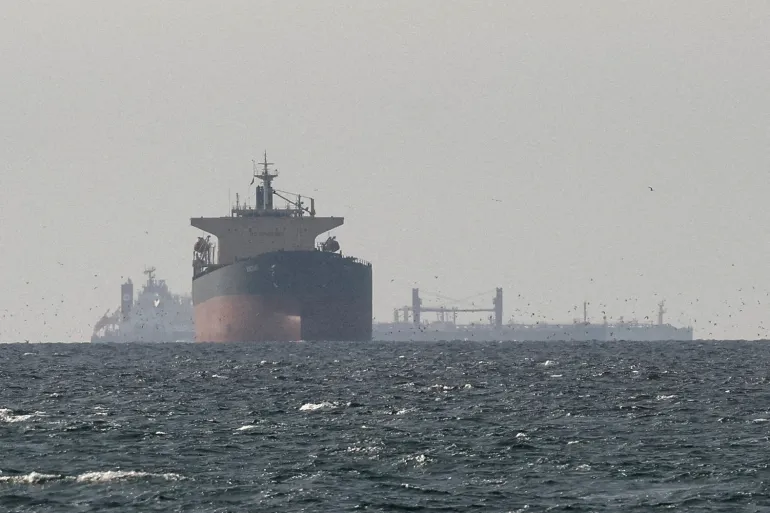
IRAN: The fragile diplomatic opening between Iran and the United States faced a severe setback this weekend as Tehran re-imposed a blockade on the Strait of Hormuz, citing a "breach of ceasefire" by the U.S. naval blockade of its ports.
Despite reports of incremental progress in high-level negotiations, the two nations remain deadlocked over maritime control and the lifting of economic sanctions.
Diplomatic Deadlock
Iranian Parliamentary Speaker Mohammad Bagher Ghalibaf confirmed on Sunday that while negotiating teams have developed a "more realistic understanding" of one another, they remain "far" from a final peace agreement.
-
Core Disputes: Disagreements center on Iran's nuclear program and the permanent status of the Strait of Hormuz.
-
Iranian Stance: Tehran maintains that the waterway will remain closed until the U.S. ends its naval blockade, which Iran characterizes as an illegal siege and a violation of the current ceasefire.
Washington’s "Maximum Pressure" Continues
President Donald Trump remains optimistic but firm, stating that "very good conversations" are taking place via Pakistani mediators. However, he has vowed not to succumb to "blackmail" regarding global shipping lanes.
-
The U.S. Mandate: The White House has stated the blockade on Iranian ports will remain in "full force" until a comprehensive "100% complete" transaction is reached.
-
Enforcement: U.S. Central Command (CENTCOM) reports that naval forces have intercepted and turned around 23 vessels attempting to access Iranian ports since the blockade began on April 13.
Violence in the Strait
The situation turned kinetic on Saturday as the Islamic Revolutionary Guard Corps (IRGC) reportedly opened fire on commercial shipping.
-
Incidents: Two Iranian gunboats reportedly fired on a tanker, while other merchant vessels reported being struck by "unknown projectiles."
-
International Reaction: India has summoned the Iranian ambassador following reports that two India-flagged vessels were among those targeted.
Global Impact: With approximately 20% of the world’s oil and LNG passing through the Strait of Hormuz, the renewed closure has sent energy markets into fresh volatility. Analysts warn that if a breakthrough is not reached before the ceasefire expires on April 22, the region risks a return to full-scale kinetic conflict.